Step-by-Step Strategies to Prevent Wrist Pain 1. Optimize Your Laptop Setup

Step-by-Step Strategies to Prevent Wrist Pain
1. Optimize Your Laptop Setup
?? Use an external keyboard and mouse
Elevate your laptop screen to eye level using a stand or books.
Keep keyboard and mouse on a flat surface with your elbows at 90°.
?? Why it works: Prevents wrist extension and shoulder strain by maintaining a neutral wrist position.
2. Use Wrist Support Strategically
Use a soft wrist rest (not too high) to support your palmsnot the wrists.
Avoid hard edges that compress the carpal tunnel.
Keep wrists floating slightly above the keyboard while typing.
?? Why it works: Reduces pressure on median nerve and tendons in the wrist.
3. Practice Neutral Wrist Alignment
When typing or using a mouse:
Keep wrists straight, not bent up, down, or sideways.
Align wrists with your forearms.
?? Think of it like this: your forearm and hand should form a straight line, as if youre playing piano.
4. Take Frequent Micro-Breaks
? Use the 20-8-2 rule:
Every 20 minutes, type for 8 minutes, then move/stretch for 2 minutes.
?? Simple actions:
Roll your wrists
Stretch your fingers
Shake out your hands
Stand and rotate your shoulders
5. Try These Physiotherapy Wrist and Forearm Stretches
?? Wrist Flexor Stretch
Extend one arm forward, palm up
Gently pull fingers back with the other hand
Hold for 2030 seconds, switch sides
?? Wrist Extensor Stretch
Arm straight, palm down
Pull fingers downward and toward you
Hold for 2030 seconds each side
? Fist to Fan Stretch
Make a gentle fist
Slowly open your hand, spreading fingers wide
Repeat 10 times
?? Wrist Circles
Rotate your wrists clockwise and counterclockwise
10 circles each direction, several times a day
6. Strengthen Your Wrists and Forearms
Physiotherapists often recommend:
Resistance band wrist curls/extensions
Grip strength exercises using a soft stress ball
Finger tip push-ups (wall version) for light strengthening
?? Why it helps: Stronger forearm and wrist muscles are more resilient to repetitive strain.
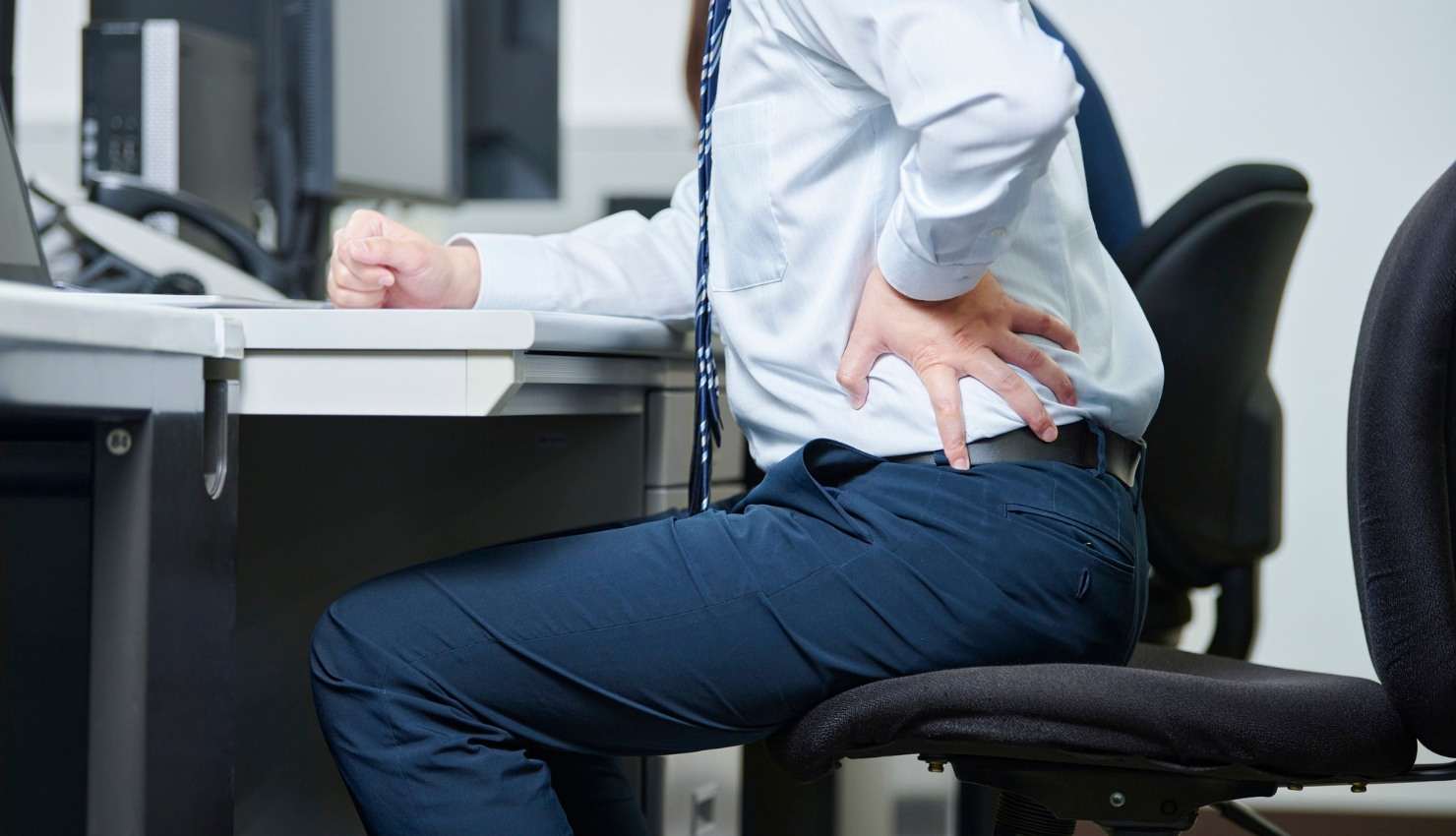
7. Watch Your Overall Posture
Bad posture at your back or neck can translate into wrist pain!
?? Sit upright
?? Elbows at your sides
?? Shoulders relaxed
?? Dont lean into the laptopbring it to you
?? Quick Ergonomic Checklist
Element Good Practice
Wrist Position Straight, in line with forearm
Keyboard Height Elbow level, flat keyboard
Laptop Use External keyboard/mouse recommended
Break Frequency Every 2030 minutes
Surface Contact Rest palms, not wrists