How to Protect Your Joints During Dance Rehearsals with Physiotherapy explores targeted strategies for recovery. Discover new paths to mobility, healing, and personalized care.

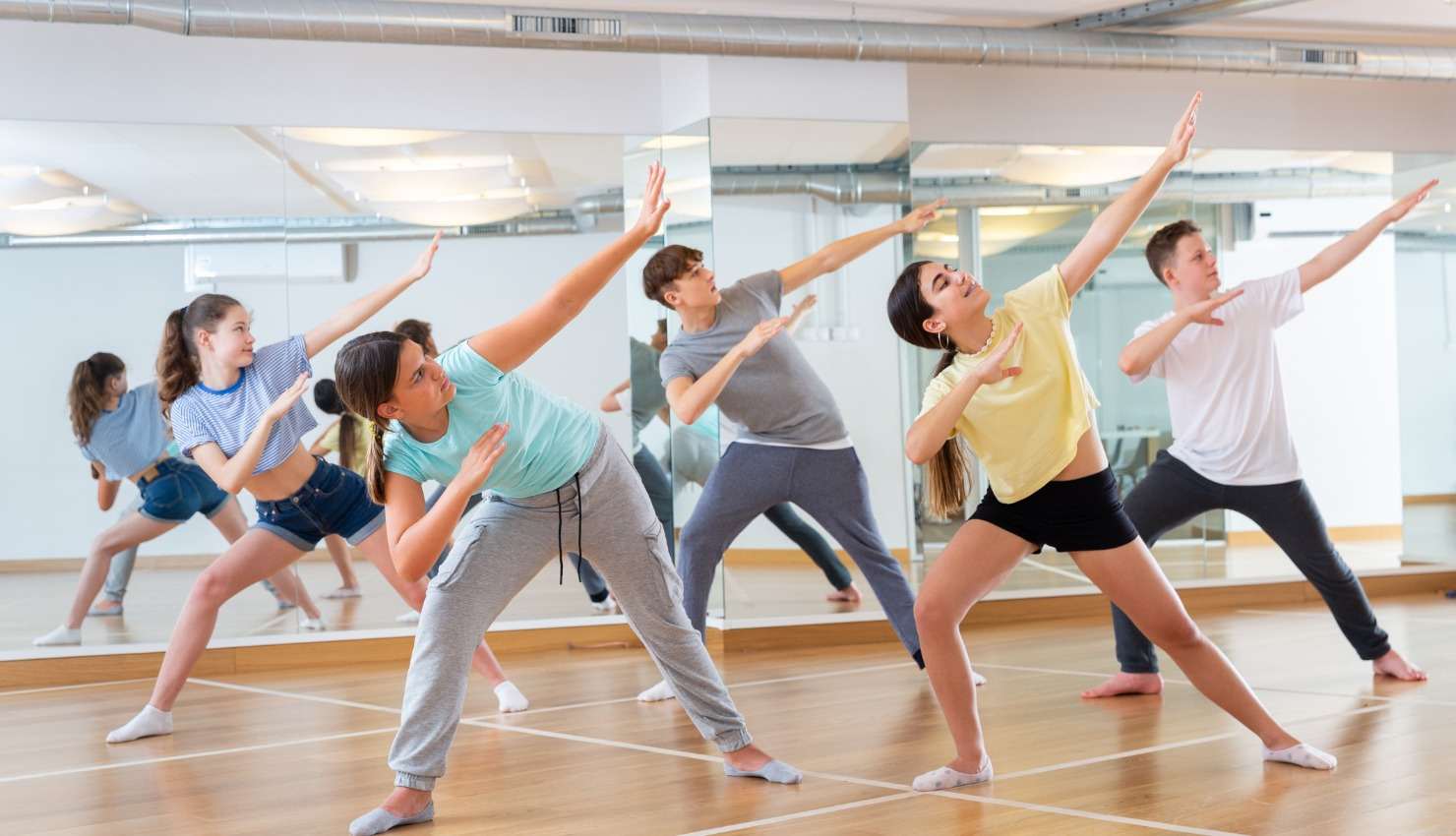
Joint Assessment and Alignment Correction
Physiotherapists evaluate:
Postural alignment and joint mechanics
Load distribution during dance movements
Imbalances between flexibility and strength
Why it matters: Misalignment (e.g., hyperextended knees, collapsed arches) increases joint strain. Early correction reduces wear and tear during repeated choreography.
????? 2. Warm-Up Routines That Prime Joint Stability
A dance-specific physiotherapy warm-up includes:
Dynamic stretches (e.g., leg swings, hip openers)
Joint mobilization (ankles, spine, hips)
Neuromuscular activation (e.g., glute bridges, core bracing)
Why it matters: Prepping the joints and surrounding muscles ensures proper activation and shock absorption during jumps, turns, and landings.
?????? 3. Targeted Strengthening for Joint Support
Dancers often have muscular imbalances that compromise joint integrity. Physiotherapists prescribe exercises to strengthen:
Hip stabilizers (glute medius, deep rotators)
Knee stabilizers (quads, hamstrings)
Ankle stabilizers (peroneals, tibialis anterior)
Core and lumbar stabilizers
Why it matters: Strong, balanced muscles act as shock absorbers, reducing joint stress.
?? 4. Proprioceptive and Balance Training
Proprioception refers to joint awareness in space. Dancers improve it through:
Single-leg balance exercises
Wobble board or BOSU ball drills
Eyes-closed balance work
Why it matters: Enhances control during fast, unpredictable movements and helps prevent joint misalignment or collapse under load.
?? 5. Technique Correction and Education
Physiotherapists may observe your:
Pliés, relevés, and arabesques
Jump landings and foot placement
Turnout from the hips (not knees or feet)
They work with you and your dance teacher to adjust technique that may overload joints.
Why it matters: Proper technique ensures efficient movement that minimizes joint strain.
?? 6. Joint Recovery Strategies Post-Rehearsal
Recovery is as important as preparation. Physiotherapists recommend:
Gentle mobility exercises and foam rolling
Ice or contrast baths for inflammation control
Compression sleeves or taping for sensitive joints
Nutrition and hydration advice to support joint tissue repair
Why it matters: Regular recovery reduces cumulative joint stress and speeds up tissue healing.
?? 7. Listening to Early Warning Signs
Physiotherapists educate dancers to recognize:
Persistent joint pain or swelling
Clicking, grinding, or instability
Pain that worsens with repeated movements
Early intervention keeps minor issues from becoming major injuries.
? Pro Tips for Dancers to Protect Joints:
Never skip warm-ups or cooldowns
Avoid forcing turnout from the knees or ankles
Cross-train with low-impact activities (e.g., swimming, Pilates)
Use supportive footwear or insoles if recommended