Remote work can be a hidden stressor on your joints. Hours at your desk often in a non-ergonomic setup can lead to stiffness, inflammation, and repetitive strain injuries in your wrists, elbows, shoulders, hips, knees, and spine. The key to prevention is a mix of proper alignment, movement, and mindful habits.

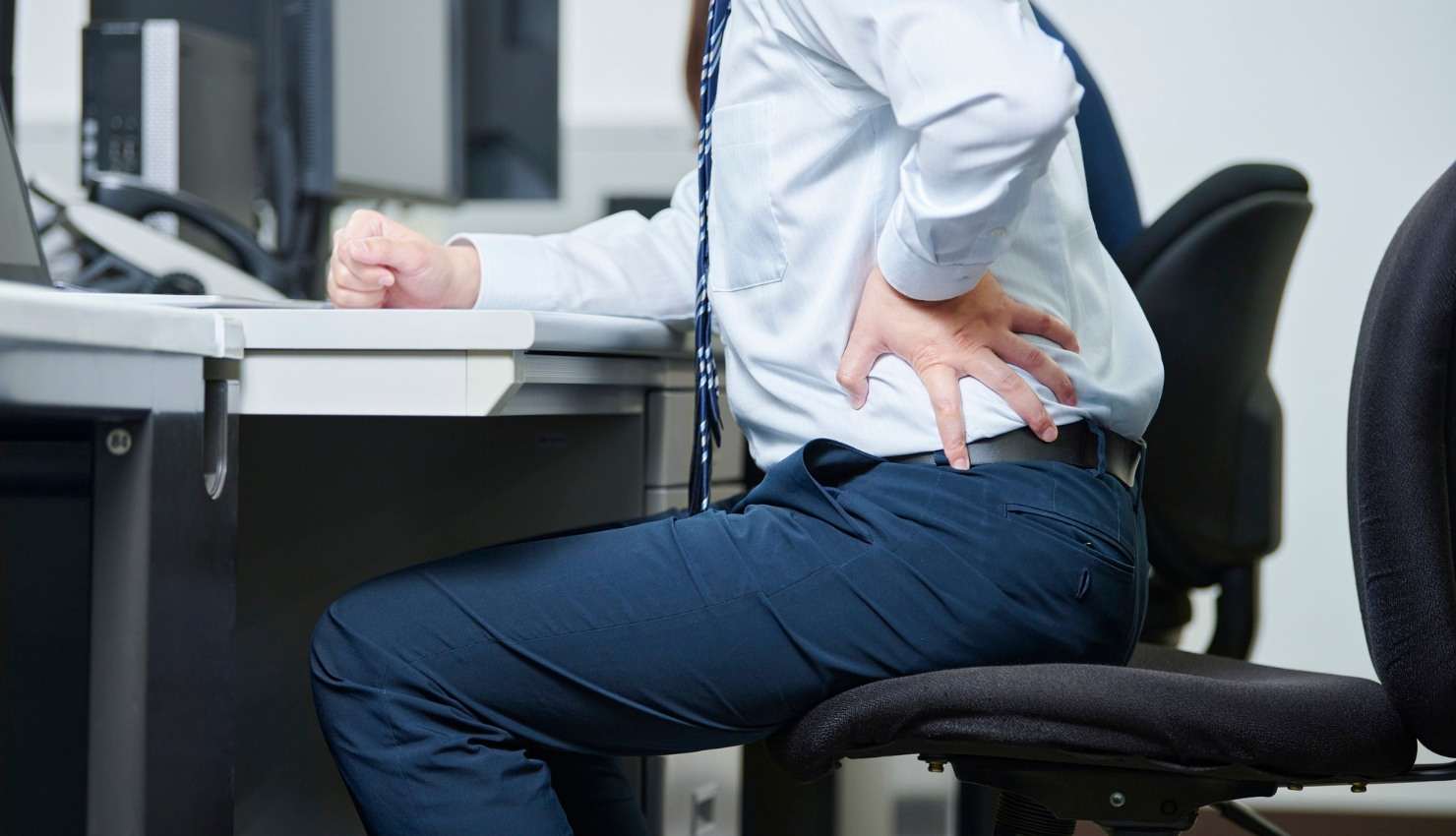
Remote work can be a hidden stressor on your joints. Hours at your desk often in a non-ergonomic setup can lead to stiffness, inflammation, and repetitive strain injuries in your wrists, elbows, shoulders, hips, knees, and spine. The key to prevention is a mix of proper alignment, movement, and mindful habits.
Heres how to protect your joints and keep your body working smoothly at home:
?? 1. Set Up a Joint-Friendly Workspace
? Key ergonomic tips:
Chair height: Feet flat, knees at 90°, hips slightly above knees
Desk height: Elbows bent at 90° when typing, shoulders relaxed
Screen position: Top of screen at or slightly below eye level to avoid neck strain
Keyboard & mouse: Keep wrists neutral, not bent up or down
?? Add wrist rests or a rolled towel under wrists if needed.
?? 2. Protect Your Wrists and Hands
Repetitive typing or poor wrist position leads to carpal tunnel and tendon stress.
Healthy habits:
Use an ergonomic keyboard and mouse
Keep wrists straight and floating, not resting on the desk
Do wrist stretches: gentle circles, wrist flexor/extensor stretches
Take typing breaks every 30 minutes
?? Try voice dictation or keyboard shortcuts to reduce strain.
?? 3. Support Your Shoulders and Elbows
Tension builds when your arms are unsupported or too far from your body.
Adjust:
Keep elbows close to your sides
Use armrests or cushions to support your forearms
Avoid reaching forward bring tools (mouse, keyboard, phone) within easy reach
?? Shoulder rolls and doorway chest stretches relieve tightness from hunching.
?? 4. Protect Your Hips and Knees
Sitting too long in the same position compresses your hip flexors and tightens your knees.
Do this:
Sit with knees at 90100° (dont tuck legs under the chair)
Use a footrest if your feet dont reach the floor
Take standing or walking breaks every 3060 minutes
Do hip flexor stretches and gentle knee bends during breaks
??? Avoid soft couches or beds for working they throw your alignment off.
?? 5. Dont Forget Your Feet and Ankles
Poor foot positioning causes chain reactions that affect knees, hips, and spine.
Tips:
Keep feet flat and supported
Avoid crossing your legs
Do ankle circles, heel lifts, and calf stretches
Wear supportive footwear if working on hard floors
?? Consider a standing mat if you use a standing desk.
?? 6. Move Often Joints Love Motion
Joints rely on movement to stay lubricated and healthy.
Movement break ideas:
Walk or stretch for 25 minutes every hour
Try joint mobility drills (neck, shoulders, wrists, hips, knees, ankles)
Use gentle desk exercises: leg extensions, seated marches, torso twists
? Use timers or break-reminder apps to stay consistent.
?? 7. End Your Day with a Stretch Reset
After hours of sitting, stretch to release tension and reset your alignment.
5-minute joint-saving routine:
Neck rolls + chin tucks
Shoulder and chest stretches
Wrist and finger stretches
Seated or standing hip flexor stretch
Gentle hamstring and calf stretch
?? A short evening routine helps your body recover overnight.
?? Quick Joint Health Checklist for Remote Workers:
Tip Why It Matters Done?
Screen and keyboard at proper height Prevents neck, shoulder, wrist strain ?
Feet flat, knees at 90° Aligns hips, knees, and spine ?
Breaks every 3060 min Keeps joints mobile and lubricated ?
Regular stretching Reduces tightness and improves mobility ?
Use supportive tools (wrist rests, footrest) Reduces joint stress ?
Alternate positions (sit/stand) Reduces joint compression ?