How to Protect Your Knees from Dance Injuries with Physiotherapy explores targeted strategies for recovery. Discover new paths to mobility, healing, and personalized care.

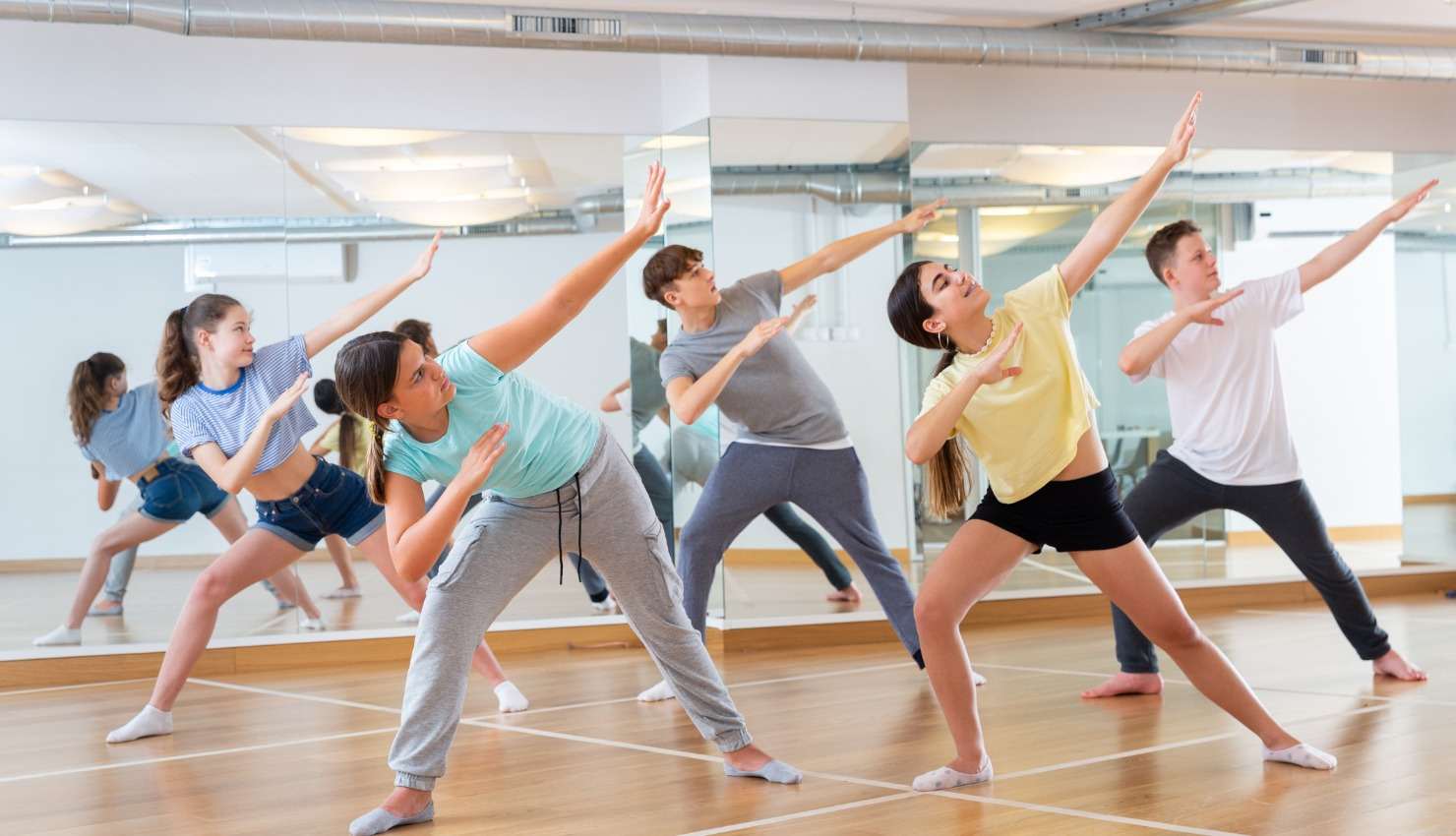
Dancers often push their bodies to extremes, requiring:
Full range of motion in the hips, knees, and ankles
Strong but flexible muscles to absorb impact
Proper alignment in all movements
When any part of the kinetic chain from the feet to the hips breaks down, the knee becomes the victim. Common causes of knee injury in dancers include:
Overturned feet and forced turnout
Weak hips and glutes
Poor landing technique
Insufficient warm-ups or fatigue
Misalignment during pliés, leaps, or directional changes
?? How Physiotherapy Can Help Protect Your Knees
? 1. Assessing Alignment and Technique
A physiotherapist observes how your knees move during:
Relevés and pliés
Jumps and landings
Turns and directional transitions
They can identify faulty movement patterns like:
Knees collapsing inward (valgus)
Over-pronation of the foot
Compensatory hip or ankle movements
?? Correcting these patterns reduces strain on the joint and prevents future injury.
? 2. Strengthening the Right Muscles
Knee stability depends heavily on hip, thigh, and core strength. A physio-guided program targets:
Quadriceps and hamstrings (front and back knee support)
Glute medius and maximus (for turnout and knee alignment)
Deep core muscles (to stabilize the pelvis and spine)
?? Better muscle support = better joint control.
? 3. Improving Joint Mobility and Flexibility
Tightness in the hips, calves, or hamstrings can force the knees into poor positions.
A physiotherapist uses:
Manual therapy to release tight structures
Foam rolling and stretching plans
Joint mobilizations to improve ankle and hip range
?? Flexible joints around the knee mean the knee doesnt have to overcompensate.
? 4. Teaching Safe Jump and Landing Techniques
Landing technique is a major factor in avoiding knee injuries.
Physios coach dancers on:
Landing softly with bent knees
Aligning knees with toes
Distributing force through the whole leg
They may use video analysis to pinpoint exactly where strain occurs and how to fix it.
?? Even small changes in landing technique can significantly reduce impact on the knees.
? 5. Managing Rehearsal Load and Recovery
Overuse is a leading cause of knee pain in dancers. A physiotherapist helps you:
Monitor physical load across rehearsal weeks
Use rest, ice, taping, and compression when needed
Integrate active recovery like swimming, cycling, or physio-led mobility
?? Rest and recovery are as important as technique.
?? Sample Physio Exercises for Knee Protection
Exercise Focus
Clamshells with resistance band Glute activation for knee alignment
Wall sits with ball squeeze Quad strengthening and knee tracking
Single-leg bridge Hamstring and glute coordination
Step-downs Eccentric control and patellar tracking
Calf raises with controlled descent Ankle support and shock absorption
? Always perform with proper form and under guidance if you’re recovering from pain.
?? Common Dance Habits That Stress the Knees
Forcing turnout from the knees instead of the hips
Landing with straight knees or inward collapse
Not warming up before high-impact sequences
Ignoring pain and pushing through discomfort
Overworking the same choreography without breaks