Pregnancy and childbirth bring profound changes to a womans body, especially to the pelvic floor muscles. These muscles stretch and often weaken during pregnancy and delivery, sometimes resulting in issues like urinary incontinence, pelvic organ prolapse, or discomfort.

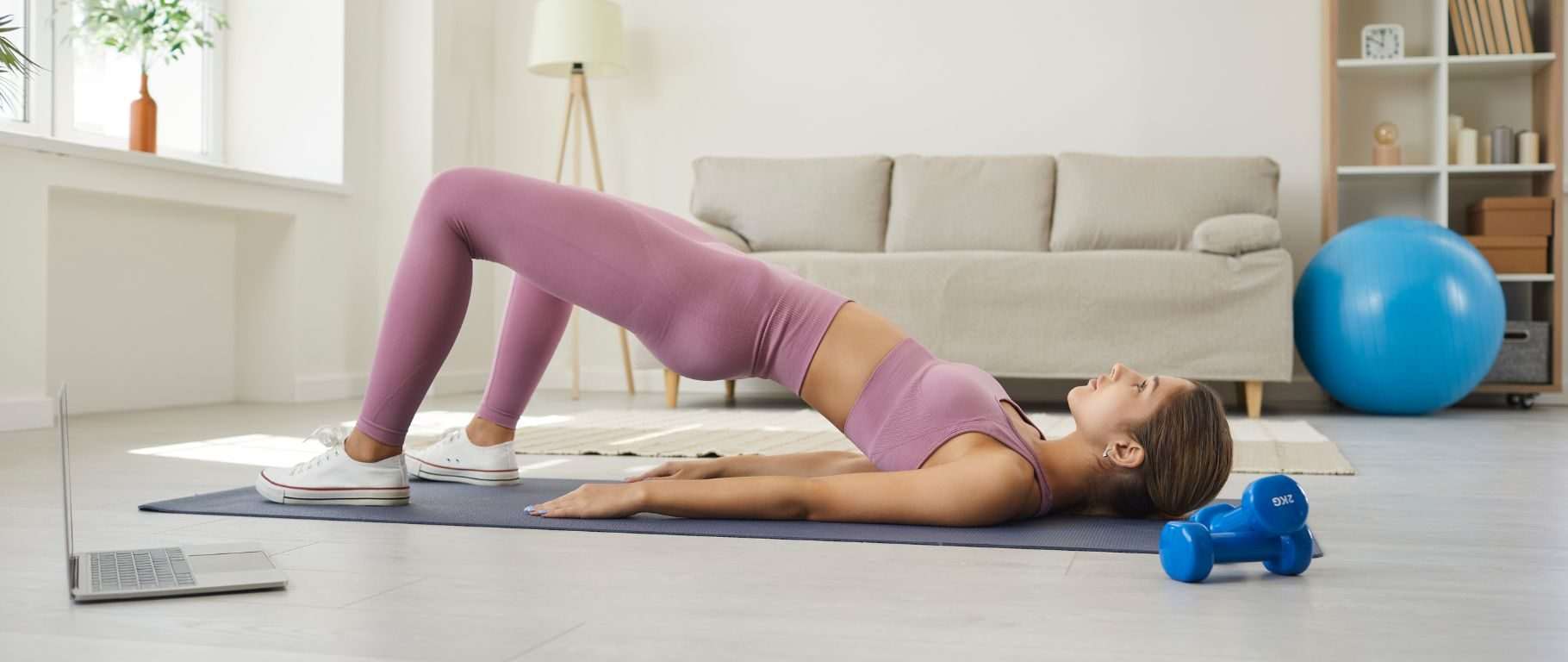
Pregnancy and childbirth bring profound changes to a womans body, especially to the pelvic floor muscles. These muscles stretch and often weaken during pregnancy and delivery, sometimes resulting in issues like urinary incontinence, pelvic organ prolapse, or discomfort. Rebuilding pelvic floor strength postpartum is essential for recovery, and physiotherapy offers an evidence-based, effective approach tailored to womens unique needs after childbirth.
Understanding the Impact of Pregnancy on the Pelvic Floor
The pelvic floor supports the bladder, uterus, and rectum, maintaining continence and pelvic stability. Pregnancy increases pressure on these muscles due to the growing baby and hormonal changes that relax connective tissue. Vaginal delivery can stretch or even injure pelvic floor muscles and nerves, leading to decreased muscle function.
Common postpartum pelvic floor symptoms include:
Urinary leakage, especially when coughing, sneezing, or exercising
Pelvic pressure or a feeling of heaviness
Pain in the pelvic or lower back region
Difficulty with bowel movements or sexual activity
Why Rebuild Pelvic Floor Strength?
Restoring pelvic floor strength after pregnancy supports:
Bladder and bowel control: Prevents incontinence and constipation
Pelvic organ support: Reduces risk of prolapse development
Core stability: Enhances posture and reduces back pain
Sexual health: Improves sensation and comfort during intimacy
Overall physical function: Facilitates return to exercise and daily activities
How Physiotherapy Helps Rebuild Pelvic Floor Strength Postpartum
Pelvic health physiotherapy is the gold standard for postpartum rehabilitation. It provides personalized care with exercises and therapies designed to restore strength, coordination, and function safely.
Key ways physiotherapy supports postpartum pelvic health include:
1. Comprehensive Assessment
A physiotherapist evaluates pelvic floor muscle tone, strength, coordination, and posture. This assessment identifies specific weaknesses or dysfunctions to guide targeted treatment.
2. Guided Pelvic Floor Muscle Training (PFMT)
Physiotherapists teach women how to correctly activate pelvic floor muscles through focused exercises. This prevents common mistakes like using abdominal or gluteal muscles instead. Exercises are gradually progressed in intensity and complexity.
3. Manual Therapy and Soft Tissue Mobilization
If muscle tightness, scar tissue, or trigger points are present, hands-on techniques help improve tissue mobility and reduce pain.
4. Biofeedback and Electrical Stimulation
When voluntary muscle control is limited, biofeedback devices provide visual or auditory feedback to aid muscle activation. Electrical stimulation can also support muscle re-education in some cases.
5. Postural and Movement Re-education
Physiotherapy addresses posture and body mechanics to reduce undue pelvic floor strain and promote optimal pelvic alignment.
6. Education and Lifestyle Advice
Women receive guidance on bladder and bowel habits, lifting techniques, and gradual return to physical activity to protect the pelvic floor during recovery.
When to Start Pelvic Floor Rehabilitation
Rehabilitation can begin as early as the first few weeks postpartum, depending on delivery type and individual healing. Women are encouraged to consult a pelvic health physiotherapist to develop a safe, personalized recovery plan.
Additional Benefits of Physiotherapy After Pregnancy
Beyond pelvic floor strengthening, physiotherapy supports overall postpartum recovery by:
Reducing diastasis recti (abdominal separation)
Managing pelvic or lower back pain
Improving core strength and endurance
Enhancing mental well-being through guided care
Finding Pelvic Health Physiotherapy Support in Canada
Access to specialized pelvic physiotherapists ensures evidence-based postpartum care. These experts provide compassionate, knowledgeable support for women navigating the postpartum period.
Conclusion
Rebuilding pelvic floor strength after pregnancy is critical for long-term pelvic health and quality of life. Physiotherapy offers personalized, effective rehabilitation to restore muscle function, reduce symptoms, and promote confidence in daily activities and intimacy.
If you are recovering from childbirth and experiencing pelvic floor challenges, consulting a pelvic health physiotherapist can help you regain strength safely and effectively with a tailored rehabilitation plan.