Childbirth is a powerful experience that transforms a womans body in countless ways. While the process of giving birth is natural, it places significant physical demands on the pelvic floor muscles and surrounding tissues.

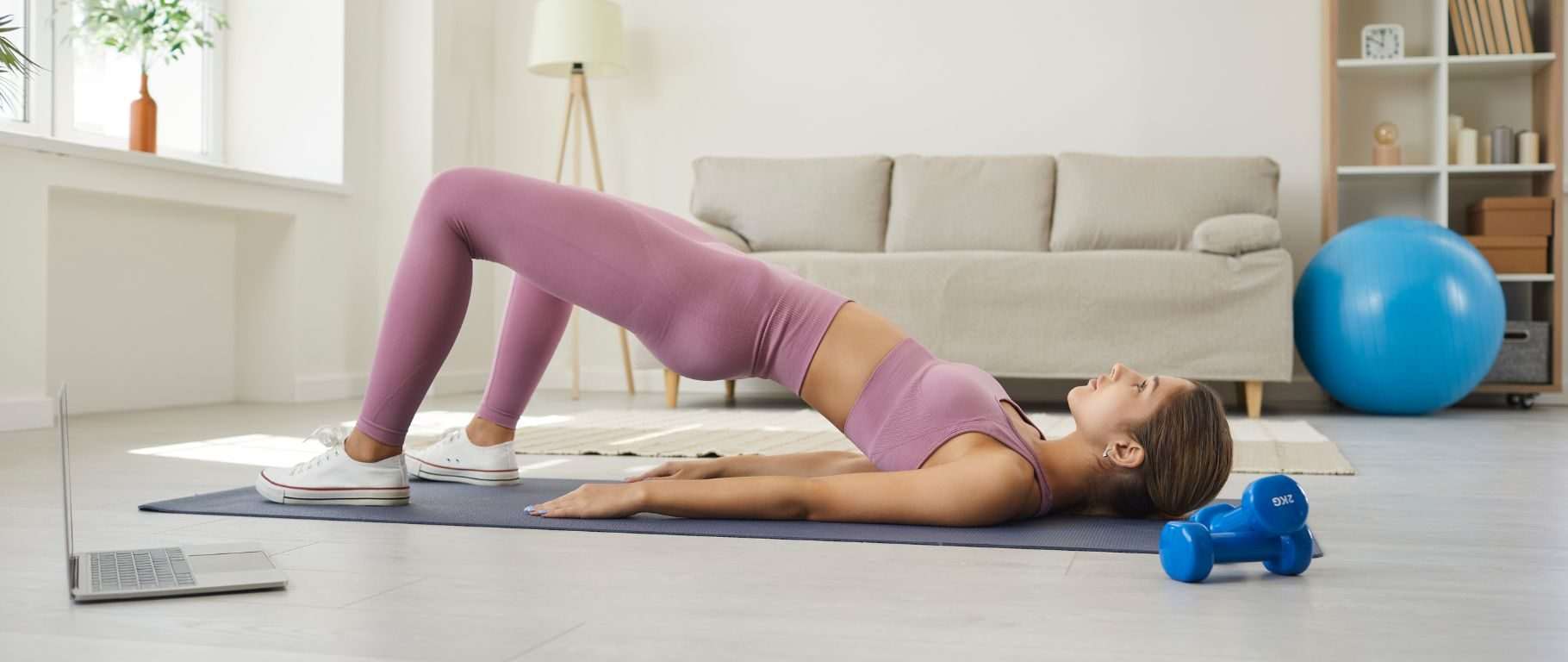
Childbirth is a powerful experience that transforms a womans body in countless ways. While the process of giving birth is natural, it places significant physical demands on the pelvic floor muscles and surrounding tissues. After deliverywhether vaginal or by C-sectionmany women experience pelvic discomfort, weakness, or functional challenges. These changes are common, but they should not be ignored.
Rebuilding pelvic health after childbirth is essential for long-term well-being, and pelvic floor physiotherapy provides a safe, structured, and effective pathway for recovery. With personalized guidance, women can regain strength, function, and confidence as they move through postpartum healing.
What Happens to the Pelvic Floor During Pregnancy and Delivery
During pregnancy, the growing uterus places increasing pressure on the pelvic floor, causing muscles and connective tissue to stretch. Hormonal changes soften ligaments and joints, allowing for flexibility during labor but also increasing the risk of instability.
In a vaginal birth, the pelvic floor undergoes further strain as it expands to accommodate the baby. Tearing, episiotomies, or instrument-assisted deliveries can add trauma to the perineal area. In C-section deliveries, abdominal muscles are cut and separated, which can still affect core and pelvic coordination.
These changes often result in:
Weak or overstretched pelvic floor muscles
Pelvic organ prolapse or heaviness
Urinary leakage
Pain during intercourse
Lower back or hip pain
Scar tissue discomfort
Difficulty regaining core strength
Why Postpartum Pelvic Physiotherapy Matters
Despite the prevalence of these issues, many women dont receive pelvic health support after birth. Yet early intervention can prevent complications, improve recovery time, and support better function across all areas of lifefrom lifting a baby to returning to exercise.
Pelvic floor physiotherapy is not only about symptom reliefits about rebuilding the core foundation of the body. A physiotherapist trained in postpartum recovery can evaluate pelvic alignment, muscle control, breathing patterns, and overall mobility to develop a customized plan that supports healing.
The First Steps: Initial Recovery and Gentle Activation
In the first few weeks after childbirth, the body begins its natural healing process. During this time, pelvic floor physiotherapy focuses on awareness and gentle reconnection.
Initial goals include:
Restoring pelvic floor sensation and voluntary control
Supporting healthy breathing and pressure regulation
Engaging deep abdominal muscles without strain
Preventing compensatory movement patterns
Your physiotherapist may guide you through breath-based exercises that coordinate with light pelvic floor contractions. These early steps are vital in reestablishing the neuromuscular connections needed for strength and coordination.
Targeted Techniques to Rebuild Pelvic Function
As healing progresses, pelvic physiotherapy introduces more structured techniques:
Pelvic Floor Muscle Training
Using internal or external feedback, your therapist helps ensure correct engagement of the pelvic floor muscles. This improves bladder control, supports pelvic organs, and builds strength gradually.
Core and Postural Rebalancing
Pregnancy and nursing often alter a womans posture and core engagement. Therapy realigns the pelvis and spine while integrating the deep abdominal muscles (like the transverse abdominis) to restore functional movement.
Manual Therapy and Scar Tissue Work
For women whove had perineal tears or C-sections, hands-on therapy helps improve tissue mobility, reduce pain, and address adhesions that may restrict movement or cause discomfort.
Diastasis Recti Management
If abdominal separation is present, physiotherapy includes strategies to close the gap, improve tension in the abdominal wall, and prevent strain during exercise or lifting.
Guided Return to Activity
Whether you want to return to yoga, running, or lifting weights, your physiotherapist will guide you through safe progression. Proper breath control and pelvic floor engagement are key to avoiding setbacks.
Emotional and Mental Recovery Through Physiotherapy
Childbirth affects more than just musclesit can impact emotional health, body image, and confidence. Physiotherapy offers a supportive, non-judgmental space to process physical changes and learn how to care for your new body.
Through education and empowerment, women begin to feel connected, strong, and capable again. Regaining control over bladder function, sexual comfort, and physical performance often improves self-esteem and reduces stress during an already challenging postpartum phase.
When to Begin Postpartum Physiotherapy
It is recommended to begin pelvic floor physiotherapy around six weeks after delivery, once your healthcare provider has cleared you. However, earlier interventions such as breathing and gentle awareness exercises may begin sooner if pain or mobility issues are present.
Therapy can be beneficial monthsor even yearsafter childbirth. If youre experiencing leaking, discomfort, core weakness, or pelvic heaviness, its never too late to seek help.
Long-Term Benefits of Rebuilding Pelvic Health
By addressing pelvic health after childbirth, women can:
Prevent long-term pelvic organ prolapse
Reduce the risk of chronic back or hip pain
Regain core strength for physical activity
Improve intimacy and sexual confidence
Feel more in control of their postpartum journey
Physiotherapy provides a personalized, evidence-based roadmap for postpartum healing that respects the unique needs of every woman. With the right support, rebuilding pelvic health becomes a foundation for lifelong strength and wellness.