How to Recover Faster from Dance-Related Injuries explores targeted strategies for recovery. Discover new paths to mobility, healing, and personalized care.

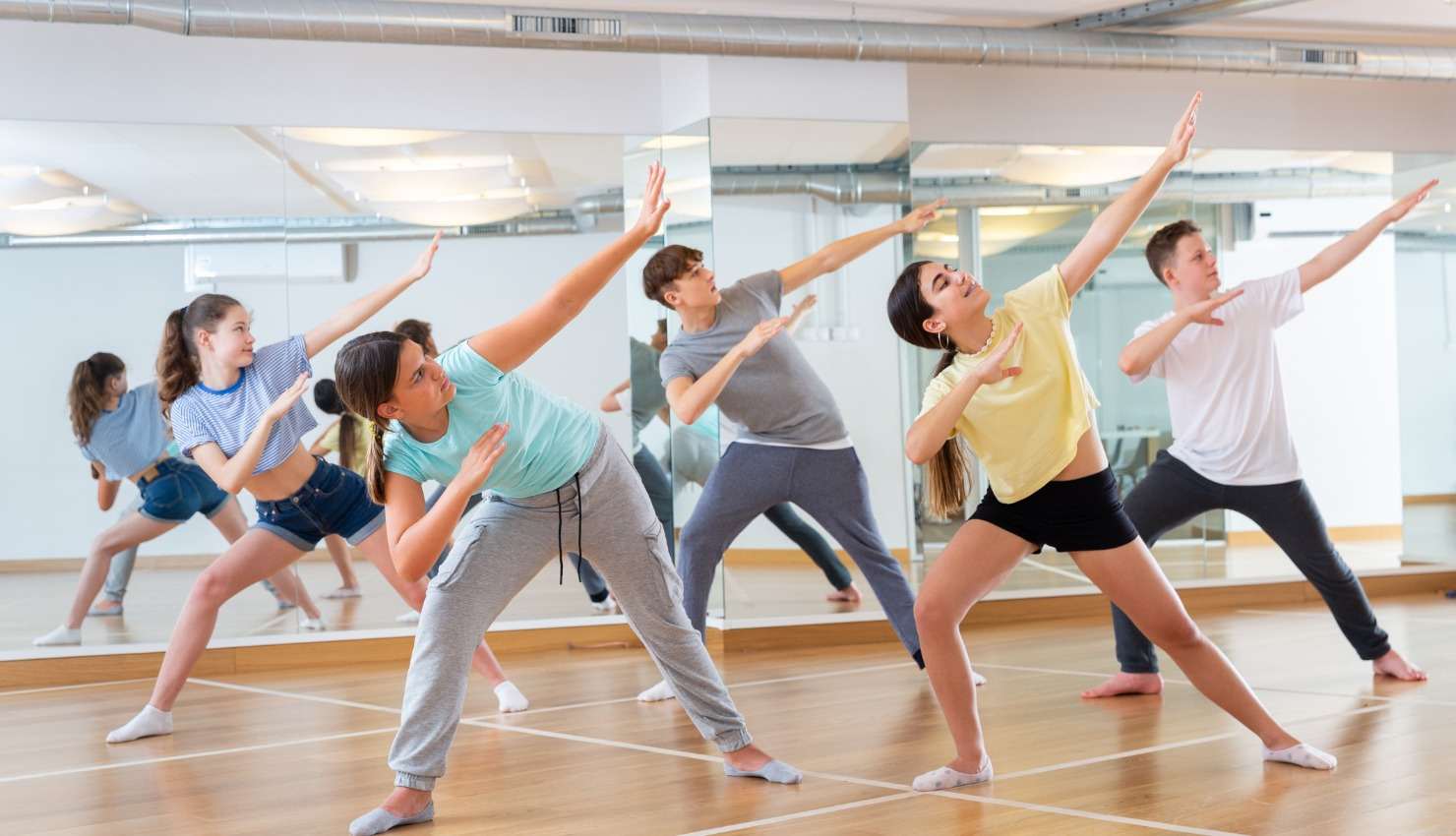
njuries can be frustrating and emotionally challenging for dancers, whose bodies are their primary instruments. While recovery takes time, there are smart, evidence-based strategies to speed up the healing process, reduce setbacks, and support a confident return to dance.
1. Prioritize Early Diagnosis and Treatment
Why it matters:
Delaying treatment can worsen injuries or turn a small issue into a chronic one.
What to do:
See a physiotherapist or sports medicine specialist as soon as symptoms appear.
Get imaging (MRI, X-ray) if needed to rule out serious conditions.
Avoid self-diagnosing or pushing through pain.
2. Follow the R.I.C.E Protocol (for Acute Injuries)
Use within the first 2472 hours of injury:
Rest: Avoid movements that aggravate the injury.
Ice: Apply cold packs for 1520 minutes every 23 hours.
Compression: Use bandages to reduce swelling.
Elevation: Keep the injured area raised above heart level.
Note: For certain injuries (e.g., tendon issues), ice may be replaced by heat or movement later in the healing phase.
3. Commit to a Personalized Physiotherapy Plan
Why it matters:
Each dancers recovery path is unique, and targeted rehab accelerates healing.
What to expect:
Manual therapy for mobility and pain relief
Strengthening exercises for the affected area
Movement retraining to avoid compensations
Gradual return-to-dance programs
? Stick to your physiotherapists timeline and dont skip sessions
4. Cross-Train to Maintain Conditioning
Why it matters:
Staying active in safe, alternative ways keeps you fit and mentally positive during recovery.
Options include:
Pilates or gentle yoga
Swimming or aquatic therapy
Stationary cycling
Upper or lower body isolation exercises (as approved by your physio)
5. Support Healing with Proper Nutrition and Hydration
Key nutrients:
Protein: Repairs tissues and maintains muscle mass
Vitamin C and Zinc: Promote tissue repair
Omega-3s: Help reduce inflammation
Calcium and Vitamin D: Support bone health (especially important for stress fractures)
? Stay hydrated even mild dehydration slows down tissue healing.
6. Get Enough Sleep and Stress Management
Why it matters:
Rest is when your body does most of its healing.
Tips:
Aim for 79 hours of sleep nightly
Try breathing exercises, meditation, or journaling to reduce stress
Avoid high-pressure thoughts about falling behind
7. Use Active Recovery (When Cleared)
Why it matters:
Gentle movement improves circulation, reduces stiffness, and speeds healing.
Examples:
Light stretching and mobility work
Low-resistance exercises under guidance
Balance and proprioception training
? Never rush into intense activity without clearance from your physio
8. Return to Dance Gradually
What to do:
Begin with basic movement patterns and progress to more complex choreography
Use load monitoring to avoid doing too much, too soon
Communicate openly with your dance teacher and physiotherapist throughout the process