How to Recover Faster from Muscle Strains with Physiotherapy explores targeted strategies for recovery. Discover new paths to mobility, healing, and personalized care.

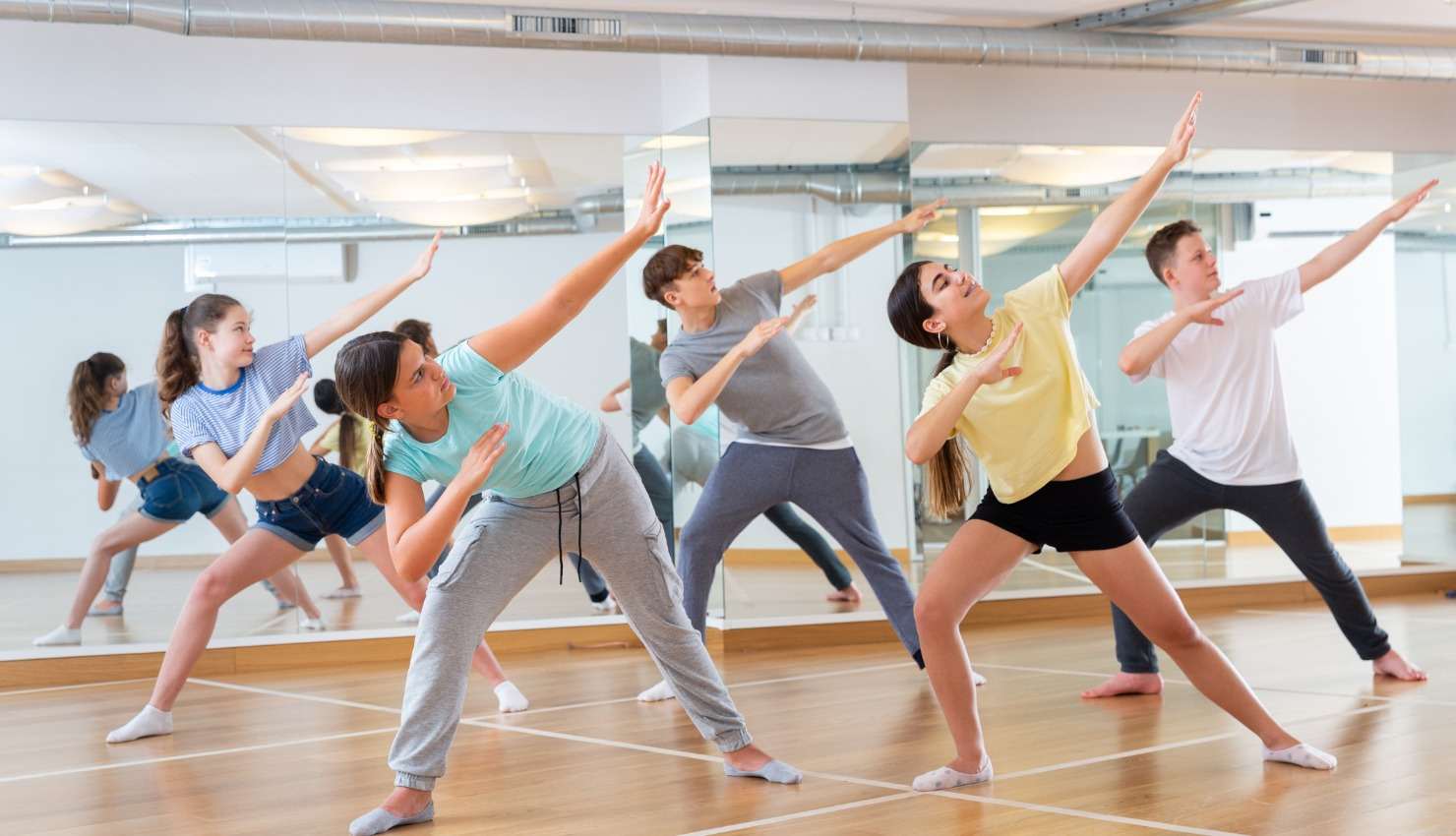
Muscle strains are one of the most common injuries that dancers and athletes experience, especially after performing intense physical activities like dance. A muscle strain occurs when muscle fibers are overstretched or torn due to excessive force, which can cause significant pain, swelling, and loss of function. For dancers, muscle strains can hinder training and performances, making it essential to recover quickly and effectively. Physiotherapy plays a vital role in speeding up recovery and ensuring that dancers return to their routine safely.
Understanding Muscle Strains in Dance
Muscle strains in dance can occur due to several factors, including improper warm-up, fatigue, overuse, sudden movements, or poor technique. The most commonly strained muscles in dancers include the hamstrings, quadriceps, calf muscles, and lower back muscles. Strains can range from mild (slight discomfort and stretching of muscle fibers) to severe (complete tear of muscle fibers). Regardless of severity, physiotherapy is essential for a fast and efficient recovery.
How Physiotherapy Helps Speed Up Muscle Strain Recovery
Physiotherapy is one of the most effective methods for speeding up recovery from muscle strains. Through a combination of techniques such as manual therapy, strengthening exercises, and modalities for pain relief, physiotherapy not only accelerates healing but also ensures that the muscles regain strength and flexibility.
Heres how physiotherapy can help:
Pain Management
Pain is often the most immediate concern when dealing with a muscle strain. Physiotherapists use various methods to manage and reduce pain, such as:
Heat and Cold Therapy: Applying ice packs to the injured area can help reduce swelling and numb the pain, while heat therapy promotes blood circulation to the area and encourages muscle relaxation.
TENS (Transcutaneous Electrical Nerve Stimulation): This treatment uses electrical impulses to stimulate nerves and reduce pain in the injured area.
Ultrasound Therapy: This technique uses sound waves to promote healing in tissues by increasing blood flow and reducing inflammation.
Reducing Swelling and Inflammation
Swelling is a common response to muscle strains and can delay recovery. Physiotherapists apply manual techniques such as gentle massage, lymphatic drainage, and compression to help reduce swelling. Manual therapy techniques like effleurage (light stroking) and petrissage (kneading) improve circulation and facilitate the removal of fluids that build up in the injured area, reducing the swelling and promoting healing.
Muscle Stretching and Flexibility
After the initial healing phase, stretching exercises become crucial for restoring flexibility to the strained muscle. A physiotherapist will guide you through gentle and controlled stretching techniques to lengthen the affected muscle, reduce tightness, and improve range of motion. Restoring flexibility is vital for preventing future strains and ensuring the muscle performs optimally.
Strengthening the Injured Muscle
Once the pain and inflammation have subsided, the next step in recovery involves strengthening the muscle to restore its full function. A physiotherapist will design a progressive strengthening program tailored to the individuals specific needs. These exercises may include resistance training, bodyweight exercises, and functional movement patterns that rebuild the strength of the strained muscle while preventing it from becoming weak or re-injured.
Gradual Return to Activity
Dancers need a gradual return to their routines after a muscle strain. Jumping back into intense activity too soon can lead to reinjury. Physiotherapists create a progressive return-to-dance plan that ensures the injured muscle is ready for the physical demands of dance. The plan will include low-impact activities to rebuild stamina and strength, followed by more complex movements as the muscle heals. This careful reintroduction prevents further strain on the muscle and avoids long-term consequences.
Proprioception and Neuromuscular Re-education
In the case of a muscle strain, proprioceptionthe ability to sense the position of your body in spacemay be compromised. Physiotherapists use proprioceptive exercises to restore this body awareness, which is crucial for avoiding improper movements that could lead to another strain. Exercises such as standing on an unstable surface, balancing on one leg, or using balance boards help improve the dancers neuromuscular control and body positioning.
Education and Injury Prevention
An important aspect of physiotherapy is educating the dancer on the causes of muscle strains and how to prevent them in the future. A physiotherapist will work with you to improve body mechanics, posture, and technique, ensuring that you move in a way that doesnt place unnecessary strain on your muscles. They may also teach you how to warm up and cool down effectively, emphasizing the importance of stretching and strengthening exercises.
The Phases of Muscle Strain Recovery
Muscle strain recovery typically occurs in three phases, and physiotherapy supports each of these stages:
Acute Phase (0-72 hours)
The acute phase is when the injury occurs, and the focus is on reducing pain, swelling, and inflammation. Physiotherapists will employ techniques such as cold therapy, gentle movement, and elevation to manage the initial symptoms.
Sub-Acute Phase (3-7 days)
During the sub-acute phase, the focus shifts to restoring range of motion and gentle stretching. Physiotherapists may begin introducing mild strengthening exercises and low-impact activities to prevent muscle atrophy while avoiding overloading the injured area.
Rehabilitation Phase (1-6 weeks)
In the rehabilitation phase, the muscle is restored to full function through progressive strengthening exercises, flexibility training, and neuromuscular re-education. Dancers can gradually return to their routines with the support of their physiotherapist.
Conclusion
Recovering from a muscle strain can be frustrating, especially for dancers who rely on their bodies for performance. However, with the right physiotherapy interventions, recovery can be expedited, and the risk of future injury can be minimized. Through a combination of pain management, strengthening exercises, flexibility training, and gradual return-to-activity plans, physiotherapists help dancers return to the stage or studio stronger, more resilient, and better prepared for the physical demands of their art.
By working with a skilled physiotherapist, dancers can ensure a faster recovery from muscle strains and enhance their overall performance in the long term. So, whether you’re dealing with a mild strain or a more severe injury, physiotherapy offers a proven pathway to healing and improved performance.