Sports injuries can derail more than just your fitness goalsthey can impact your work, your daily routine, and your overall well-being. Whether youve twisted your ankle during a weekend soccer game or youre nursing a…

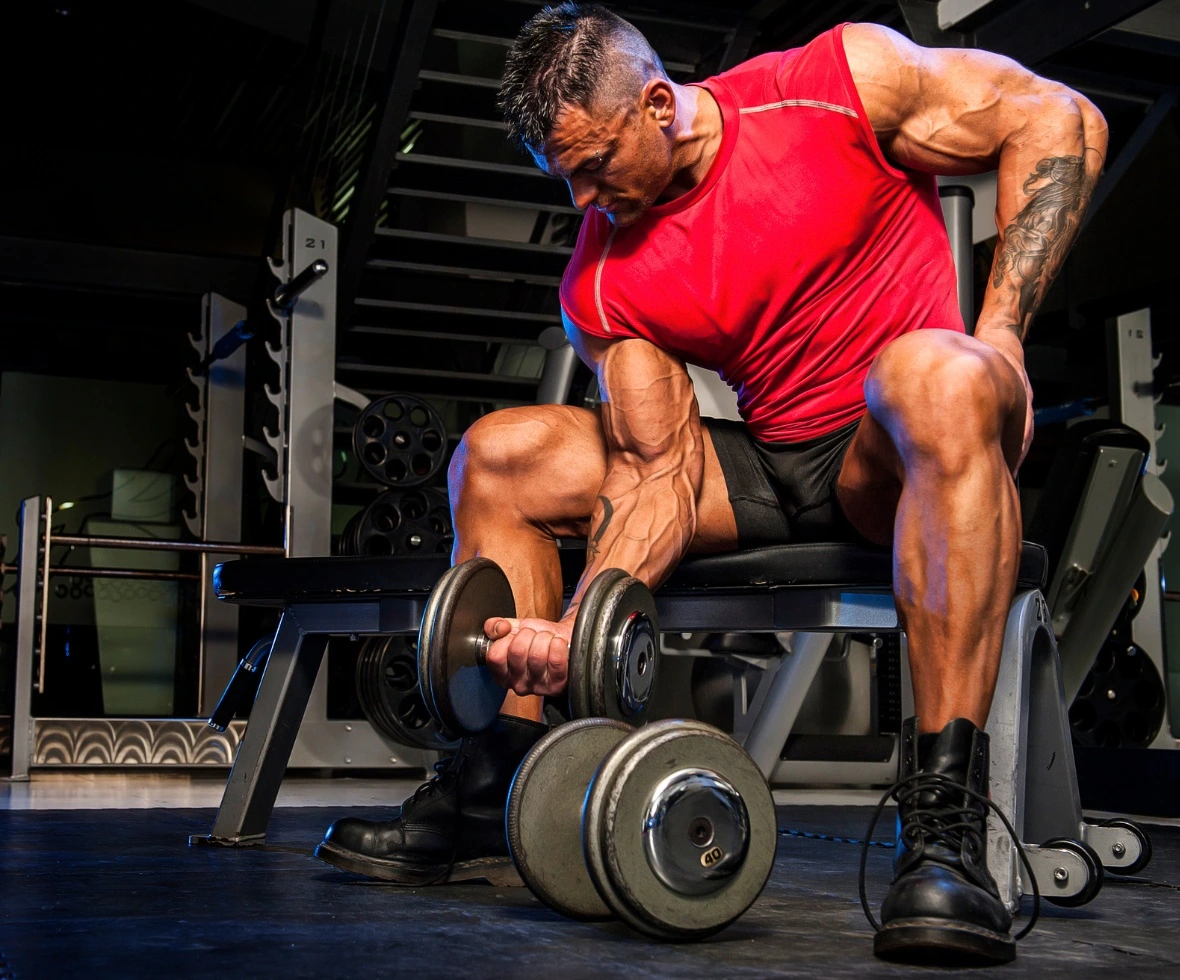
Sports injuries can derail more than just your fitness goalsthey can impact your work, your daily routine, and your overall well-being. Whether youve twisted your ankle during a weekend soccer game or youre nursing a chronic tennis elbow, effective recovery is key to getting back in the game, and physiotherapy is one of the most powerful tools you can use.
At YFS (Your Form Sux) Canada, we specialize in sports injury rehabilitation that combines cutting-edge physiotherapy techniques with personalized care. If you’re wondering how to bounce back stronger and safer, this guide is for you.
Why Physiotherapy is Essential After a Sports Injury
Lets start with the basicswhat does physiotherapy do for sports injuries? Physiotherapy is not just about relieving pain; its about restoring movement, rebuilding strength, and preventing future injuries. Its a science-backed approach that helps you recover faster without relying heavily on medication or surgery.
From ACL tears and rotator cuff strains to shin splints and pulled hamstrings, physiotherapy plays a central role in getting you back on your feet. And when it comes to sports injury recovery in Canada, YFSs expert physiotherapists know how to design a tailored plan that suits your body, your sport, and your goals.
Step-by-Step Sports Injury Recovery with Physiotherapy
1. Initial Assessment and Diagnosis
Every successful recovery starts with a thorough physiotherapy assessment. This involves evaluating your range of motion, muscle strength, joint stability, and pain levels. The goal? To get a complete picture of your injury and understand its impact on your body.
At YFS, we use advanced diagnostics and movement screening to identify the root cause of your injurynot just the symptoms. This allows us to create a personalized rehab plan that supports your healing journey.
2. Pain Management and Inflammation Control
One of the first goals in sports injury rehab is to reduce pain and swelling. Depending on your condition, this may include:
Manual therapy techniques
Cold therapy (cryotherapy)
Electrical stimulation
Therapeutic ultrasound
Guided stretching
These treatments target inflammation, boost circulation, and promote faster healingall essential for regaining mobility.
3. Restoring Movement and Function
Once the pain subsides, the focus shifts to mobility and flexibility. This is where physiotherapy really shines. Guided exercises help restore your normal range of motion, improve joint function, and re-educate your muscles to move efficiently.
Whether you’re dealing with a sprained ankle, torn ligament, or back injury, movement-based rehab helps reduce stiffness, speed up tissue repair, and reduce the chances of long-term damage.
4. Strength and Stability Training
Next comes the rebuilding phase. With your body healing and movement returning, its time to strengthen weakened muscles and stabilize affected joints. This part of the recovery plan may include resistance bands, body-weight movements, balance work, and sport-specific drills.
Strength training is key for avoiding reinjury. It helps condition your body for the demands of your sport, ensuring that you return stronger, not just recovered.
5. Sport-Specific Rehabilitation
No two sports injuries are alikeand neither are the recovery paths. A sprinters knee rehab wont look the same as a hockey players shoulder therapy. At YFS, we focus on sport-specific physiotherapy that mimics the motions, intensity, and challenges of your game.
By recreating real-life athletic scenarios in a controlled environment, youll rebuild confidence in your body and ease the transition back to full activity.
6. Injury Prevention and Long-Term Health
Recovery doesnt end when the pain is gone. One of the most overlookedbut essentialparts of injury rehab is injury prevention. A good physiotherapy program addresses not just how you got hurt, but why it happened in the first place.
Well analyze your form, technique, and posture to pinpoint imbalances or weaknesses. From there, we offer corrective exercises, movement education, and mobility work to prevent future injuries and enhance athletic performance.
Common Sports Injuries Treated with Physiotherapy
Wondering what injuries physiotherapy can help with? Heres a quick look:
Sprains and strains
ACL and meniscus injuries
Rotator cuff injuries
Tendonitis (Achilles, patellar, tennis elbow)
Shin splints
Plantar fasciitis
Sciatica and back pain
Frozen shoulder
Physiotherapy is also ideal for post-surgical rehab, helping athletes regain full function after procedures like ACL reconstruction or shoulder surgery.
Why Choose YFS Canada for Sports Injury Rehabilitation?
At YFS, we dont believe in one-size-fits-all treatments. We focus on customized sports physiotherapy plans that evolve as you recover. Our team of licensed physiotherapists, kinesiologists, and rehab experts work closely with you to ensure your recovery is smooth, safe, and sustainable.
Whether you’re a weekend warrior or a competitive athlete, we understand what it takes to get you moving again. Plus, our modern clinics and friendly staff create a supportive environment that empowers you every step of the way.
Final Thoughts
Recovering from a sports injury isnt just about healingits about coming back smarter, stronger, and more resilient. With the right physiotherapy approach, you can not only restore your body but also enhance your performance and prevent future injuries.
At Your Form Sux (YFS) Canada, were passionate about helping you move better, feel stronger, and stay in the game. If youve suffered a sports injury and are looking for expert help, reach out to us today and take the first step towards full recovery.