How to Recover from a Sprained Ankle with Physiotherapy explores targeted strategies for recovery. Discover new paths to mobility, healing, and personalized care.

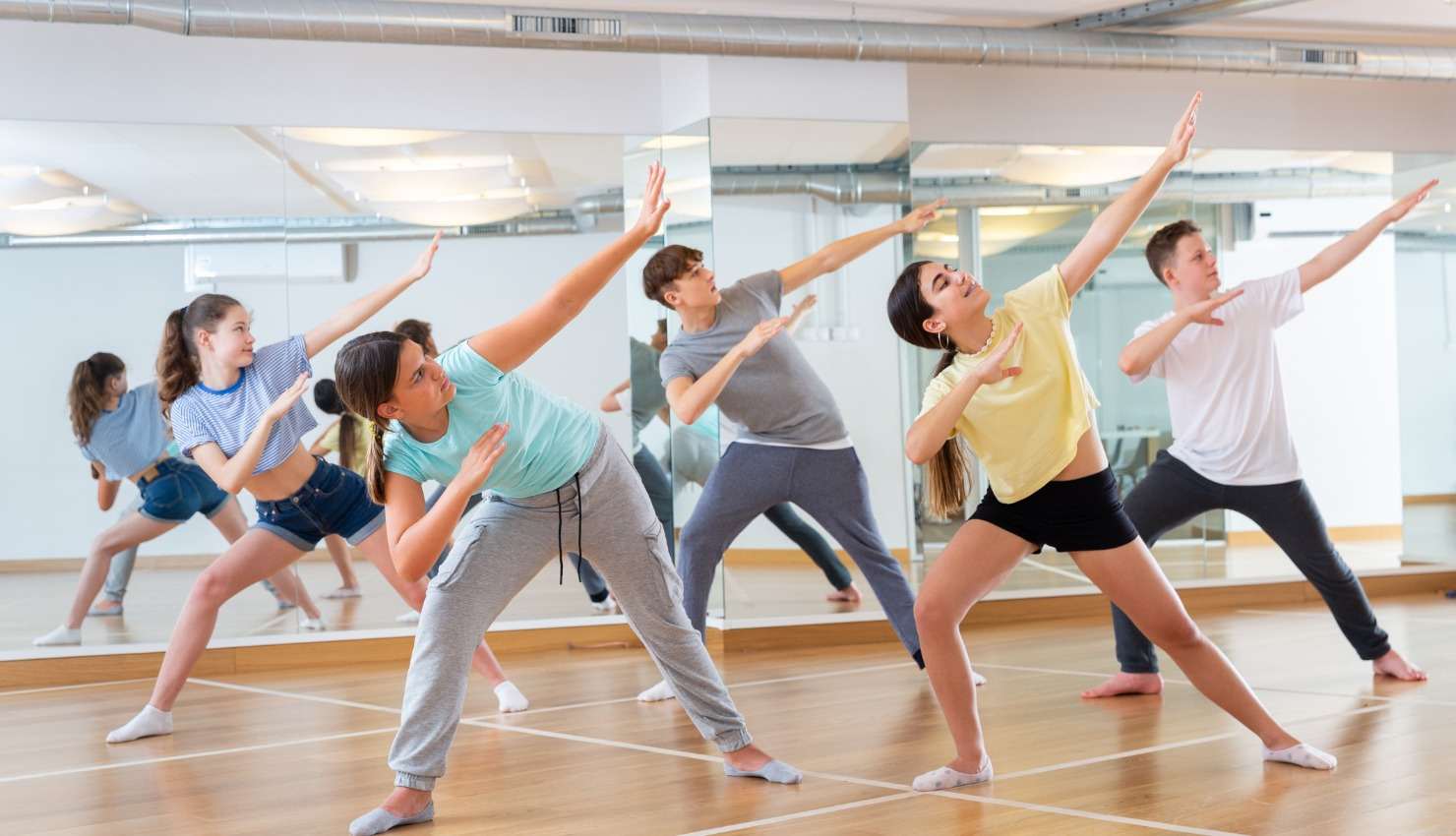
A sprained ankle is one of the most common injuries among dancers, athletes, and active individuals. While it may seem minor, improper healing can lead to long-term instability, chronic pain, or repeated sprains. Physiotherapy plays a vital role in helping you recover quickly, safely, and completely and in preventing future injuries.
?? What Is a Sprained Ankle?
A sprain occurs when the ligaments that support the ankle are overstretched or torn usually from rolling, twisting, or awkwardly landing on the foot.
?? Common Symptoms:
Swelling and bruising
Pain when putting weight on the foot
Limited range of motion
Instability or a wobbly feeling in the ankle
?? The 3 Stages of Recovery with Physiotherapy
?? Phase 1: Acute Phase (05 days post-injury)
Goals: Reduce pain, swelling, and protect the ankle
Key Physiotherapy Interventions:
R.I.C.E.: Rest, Ice, Compression, Elevation
Gentle range of motion (e.g., ankle circles, alphabet)
Non-weight-bearing mobility (crutches, walking boot if needed)
Manual therapy to manage swelling and pain
?? Avoid aggressive stretching or weight-bearing at this stage.
?? Phase 2: Sub-Acute Phase (514 days post-injury)
Goals: Restore movement, begin light strengthening, and support healing tissues
Key Physiotherapy Interventions:
Progressive weight-bearing (as tolerated)
Resistance band exercises (e.g., plantarflexion, dorsiflexion, eversion, inversion)
Manual mobilizations to restore joint alignment and glide
Balance training (e.g., standing on one leg on flat surface)
?? Proprioception (body awareness) training starts here vital for preventing re-sprains.
?? Phase 3: Functional & Sport-Specific Phase (26 weeks+)
Goals: Build strength, restore balance, and return to dance or sport
Key Physiotherapy Interventions:
Dynamic balance exercises (e.g., single-leg stance on foam, wobble board)
Plyometrics (e.g., hops, bounding, jumping drills)
Agility and dance-specific drills (turns, jumps, relevés)
Technique retraining to fix habits that may have led to the injury
?? This is when you prepare to safely return to full performance.
?? Additional Tools Your Physiotherapist Might Use
Technique Purpose
Taping or bracing Offers support during healing and performance
Dry needling or soft tissue release Reduces muscle tightness and pain
Ultrasound or laser therapy Speeds up ligament healing
Education Helps you avoid common re-injury pitfalls
?? Why Physiotherapy Is Critical for Full Recovery
Even a mild ankle sprain can:
Weaken stabilizing muscles
Reduce proprioception (leading to further sprains)
Alter your gait or dance technique
Cause long-term stiffness or chronic instability
A physiotherapist ensures your ankle doesnt just feel better it functions better than before.
?? When to Return to Dance or Activity
Youre ready to return when you can:
? Hop or jump without pain
? Perform balance tasks on the injured leg
? Match the strength and range of motion of the uninjured side
? Pass your physios functional test (e.g., single-leg squats, dynamic balance, dance-specific drills)
?? Dont rush it premature return increases your risk of another injury.