How to Recover from a Tennis Elbow with Sports-Specific Therapy explores targeted strategies for recovery. Discover new paths to mobility, healing, and personalized care.

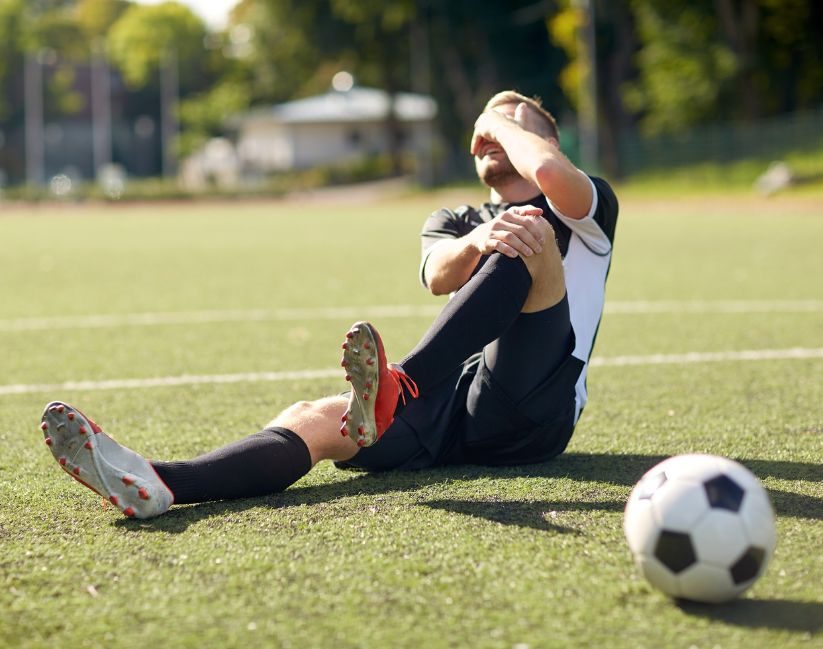
Tennis elbow, medically known as lateral epicondylitis, is a common overuse injury that affects athletes and active individuals alike. Despite the name, you dont have to play tennis to suffer from this painful condition. It occurs due to repetitive stress on the forearm muscles and tendons that attach to the outside of the elbow, leading to inflammation, pain, and reduced function.
If youre struggling with tennis elbow, sports-specific therapy can be your best ally in recovery and prevention. This blog will walk you through the causes, symptoms, and how targeted therapy can help you heal faster and get back to your active lifestyle stronger than before.
What Causes Tennis Elbow?
Tennis elbow results from repetitive motions that strain the forearm extensors, especially the extensor carpi radialis brevis muscle. Common causes include:
Repeated wrist extension and gripping activities.
Overuse during sports like tennis, badminton, or golf.
Occupational activities involving repetitive arm motions (e.g., painting, carpentry).
Poor technique during physical activities or workouts.
For CrossFitters, weightlifting exercises with improper form or overuse can also contribute to this condition.
Symptoms of Tennis Elbow
If you have tennis elbow, you might experience:
Pain and tenderness on the outside of the elbow.
Weak grip strength.
Difficulty lifting or gripping objects.
Stiffness or burning sensation around the elbow joint.
Pain worsening with wrist extension or forearm rotation.
Early intervention is key to preventing the injury from becoming chronic and debilitating.
How Sports-Specific Therapy Helps Tennis Elbow Recovery
Sports-specific therapy focuses on targeted rehabilitation designed to address the root cause of tennis elbow and restore optimal function. Heres how it can make a difference:
Accurate Diagnosis and Movement Analysis
A skilled therapist will assess your movement patterns, pinpointing the exact source of stress on your elbow. This ensures therapy is tailored precisely to your needs, whether youre a tennis player, CrossFit athlete, or someone with repetitive strain from daily activities.
Manual Therapy Techniques
Hands-on treatment, such as soft tissue mobilization and myofascial release, helps reduce inflammation and promote blood flow to the affected tendons. Joint mobilization may also improve elbow mobility and reduce stiffness.
Targeted Strengthening Exercises
A gradual, customized strengthening program focuses on the forearm muscles, improving tendon resilience and preventing future injuries. Eccentric exercises (controlled lengthening of muscles) have shown excellent results in tendon rehabilitation.
Flexibility and Stretching
Gentle stretching improves forearm muscle flexibility and relieves tension on the tendons, promoting healing.
Ergonomic and Technique Correction
Therapists will provide advice on improving sports technique or modifying repetitive tasks to reduce stress on the elbow during daily activities or workouts.
Pain Management and Modalities
Use of ultrasound therapy, electrical stimulation, or ice can reduce pain and inflammation, supporting faster recovery.
Developing a Customized Therapy Plan
Every tennis elbow case is unique. Sports-specific therapists at YourFormsUX in Canada design personalized plans based on:
Severity and duration of symptoms.
Athletes sport or activity demands.
Biomechanical assessment results.
Patient goals and lifestyle.
A typical therapy plan may last 6 to 12 weeks, gradually progressing from pain relief and gentle movement to advanced strengthening and sport-specific drills.
Preventing Tennis Elbow Recurrence
One of the best benefits of sports-specific therapy is equipping you with tools to prevent future episodes. Your therapist will help you:
Strengthen supporting muscles.
Improve flexibility and joint mechanics.
Adjust training routines or ergonomics.
Incorporate proper warm-ups and cool-downs.
When to See a Sports Therapist for Tennis Elbow
If you experience persistent elbow pain lasting more than a week, weakness, or loss of function, its time to consult a sports-specific therapist. Early intervention can shorten recovery time and avoid chronic damage.
FAQs About Tennis Elbow and Sports-Specific Therapy
Q: How long does it take to recover from tennis elbow with therapy?
A: Recovery varies but typically ranges from 6 to 12 weeks with consistent therapy and adherence to the prescribed program.
Q: Can tennis elbow heal without therapy?
A: Mild cases might improve with rest, but sports-specific therapy accelerates healing and reduces the risk of recurrence.
Q: Is surgery ever necessary for tennis elbow?
A: Surgery is rarely required and usually considered only after 6-12 months of unsuccessful conservative treatment.
Q: Can I continue exercising with tennis elbow?
A: Its important to modify or avoid activities that aggravate symptoms until you receive proper treatment and rehabilitation guidance.
Q: How does sports-specific therapy differ from general physiotherapy?
A: Sports-specific therapy tailors treatment to your sports unique movements and demands, making recovery more effective for athletes.
Final Thoughts
Tennis elbow can be frustrating and limit your ability to enjoy your favorite activities. But with sports-specific therapy, you can recover effectively while minimizing downtime. At YourFormsUX, our expert therapists in Canada specialize in creating personalized therapy plans to get you back in the game stronger and pain-free.
If youre dealing with tennis elbow pain, dont waitseek professional help to heal smarter and prevent future injuries.