Whether you’re a weekend warrior or a high-performance athlete, sports-related injuries can sideline you fast. From torn ligaments to sprains, strains, and chronic overuse injuries, the recovery journey doesnt always have to lead to the…

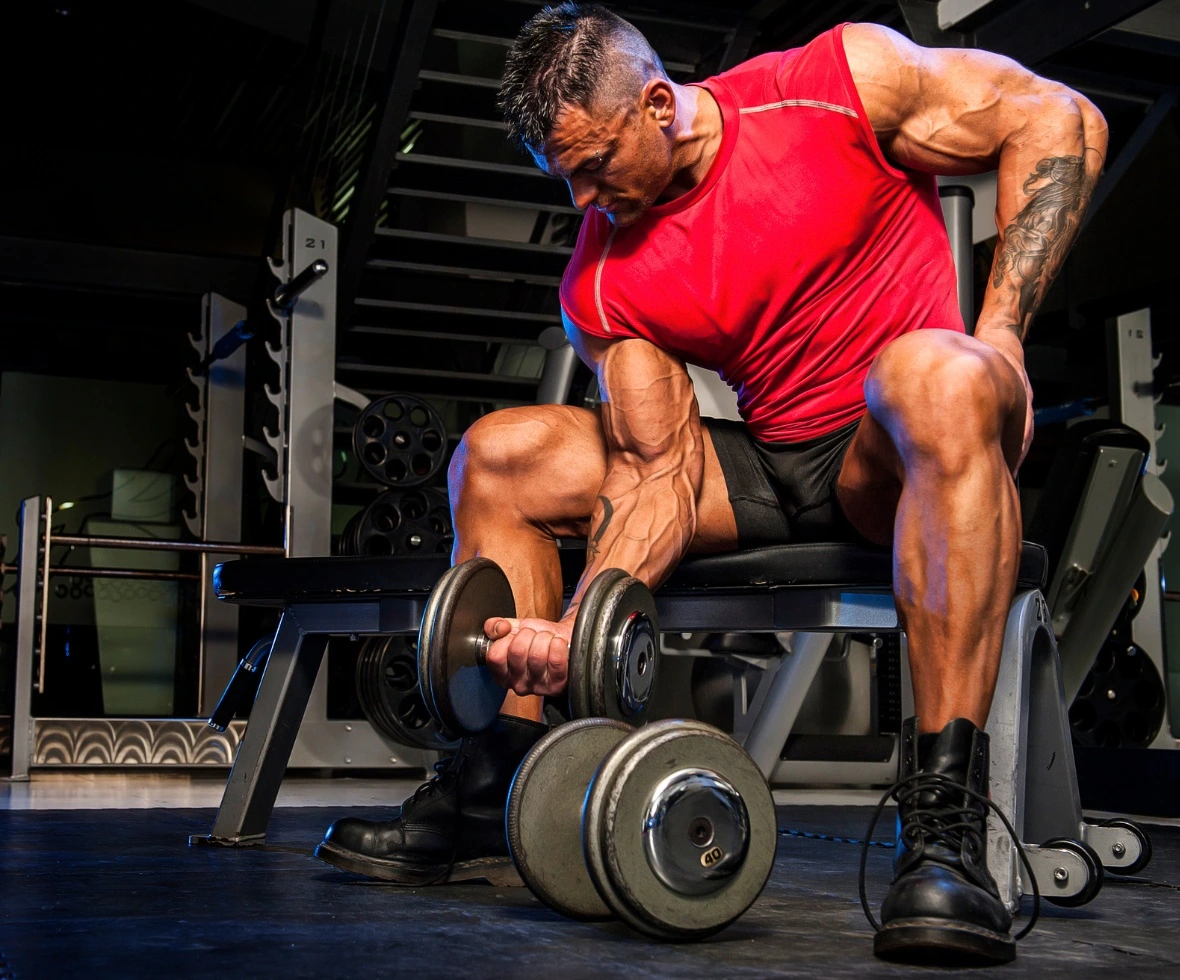
Whether you’re a weekend warrior or a high-performance athlete, sports-related injuries can sideline you fast. From torn ligaments to sprains, strains, and chronic overuse injuries, the recovery journey doesnt always have to lead to the operating table. At YourFormSux (YFS), we specialize in helping Canadians recover from these injuries non-surgicallywith targeted therapies, movement corrections, and personalized wellness programs designed to restore your strength and mobility the natural way.
In this blog, well explore how to recover from sports injuries without surgery, why conservative treatment works, and which non-invasive options can help you return to peak performance faster.
Why Avoid Surgery If You Can?
Lets face itsurgery is expensive, invasive, and comes with a long rehab timeline. While its necessary in some severe cases, many sports injuries can be fully treated without surgical intervention. Conditions like rotator cuff strains, ACL sprains, tennis elbow, runners knee, and shin splints often respond exceptionally well to active rehab, corrective movement training, and manual therapy.
The benefits of non-surgical recovery include:
Lower cost
Reduced downtime
No risk of surgical complications
Faster return to daily activities and sports
Improved long-term mobility and joint health
At YFS, our approach helps you build resilience, not just repair damage.
Step-by-Step Guide to Recover Without Surgery
1. Get a Professional Assessment Early
One of the most common mistakes athletes make is ignoring the pain, pushing through it, or self-diagnosing. That can make things worse. The first step toward non-surgical recovery is a clinical movement assessment by trained professionalslike those at YFS.
We identify what caused the injury in the first place: Was it a mechanical imbalance? Poor mobility? Overuse? Once we find the root cause, we tailor a treatment plan to help you heal correctlywithout surgery, medications, or guesswork.
2. Follow a Structured Rehabilitation Program
A successful recovery starts with structure. At YFS, we provide customized rehabilitation programs that focus on gradual progression. These programs often include:
Controlled strength training
Functional movement re-education
Flexibility and mobility work
Neuromuscular retraining
These therapies help rebuild tissue strength, correct movement patterns, and reduce the risk of re-injury.
3. Use Manual Therapy to Speed Up Healing
Manual therapy isnt just about massage. At YourFormSux, our specialists use advanced hands-on techniques like myofascial release, joint mobilization, and soft tissue therapy to reduce inflammation, restore mobility, and encourage blood flow to the injured site. This accelerates recovery and allows your body to do what it was designed to do: heal.
4. Correct Your Form and Movement Habits
The name says it allYourFormSux is about identifying poor form and fixing it for good. If your movement patterns contributed to your injury, youll need to correct those ASAP.
We use movement screening technology and expert observation to pinpoint flaws in your posture, alignment, and motion during activity. Once we identify issues, we teach you how to move betterso you can stay active and injury-free long after your recovery.
5. Incorporate Active Recovery and Low-Impact Exercise
During rehab, staying completely still isnt the answer. Active recovery is key. Light, non-impact movement such as swimming, stationary biking, or controlled bodyweight exercises can maintain circulation and prevent muscle loss. The goal is to keep the body engaged without aggravating the injury.
We design low-impact routines that keep you moving safelyso you can continue building strength and endurance without setting back your recovery.
Common Injuries That Often Dont Require Surgery
If you’re wondering what types of sports-related injuries are commonly treated without surgery, here’s a quick list. These conditions are ideal candidates for YFSs non-invasive recovery approach:
Muscle strains and pulls
Ligament sprains (Grade I and II)
Tendonitis (Achilles, patellar, rotator cuff)
Plantar fasciitis
IT band syndrome
Bursitis
Mild meniscus or labral tears
Shin splints
Runners knee (patellofemoral pain syndrome)
Tennis/golfers elbow
If youre experiencing any of these, dont rush to the surgeons office. A corrective, movement-based rehab plan can often bring full reliefwithout the knife.
When to Seek Expert Help
You dont need to be a pro athlete to take your recovery seriously. Whether you’re playing recreational soccer or training for your first 10K, if pain is interfering with performance, dont wait.
At YFS, we combine biomechanical expertise, custom rehab programming, and client education to empower you through the healing process. Our goal isnt just to get you back to the sport you loveits to keep you playing pain-free for years to come.
If youre in Canada and looking for sports injury rehab without surgery, YourFormSux is your go-to team.
Final Thoughts
Surgery isnt the only answerand often, its not the best one. With the right professional support, targeted rehabilitation, and smart movement correction, you can recover from sports injuries naturally and get back to doing what you lovestronger than before.
Whether youre recovering from a hamstring strain, a shoulder impingement, or nagging knee pain, remember: your form might suck, but your recovery doesnt have to.
Book a consultation with YFS today and discover how movementnot medicinecan be your strongest ally in recovery.