Childbirth is a profound experience, but it can also leave lasting impacts on a womans pelvic health. Recovery of pelvic floor strength, function, and comfort after delivery is vital for overall wellbeing.

Childbirth is a profound experience, but it can also leave lasting impacts on a womans pelvic health. Recovery of pelvic floor strength, function, and comfort after delivery is vital for overall wellbeing. Physiotherapy plays a key role in helping women restore their pelvic health safely and effectively after childbirth.
Why Postpartum Pelvic Health Recovery Is Important
The pelvic floor muscles support the bladder, uterus, and bowel, maintaining continence and pelvic organ positioning. Pregnancy and childbirth stretch, weaken, or sometimes injure these muscles and connective tissues. Without proper recovery, women may face urinary incontinence, pelvic organ prolapse, pelvic pain, and decreased core stability.
Physiotherapy offers targeted rehabilitation that accelerates healing, improves function, and reduces long-term risks.
Common Pelvic Health Challenges After Childbirth
Urinary Incontinence: Leakage when coughing, sneezing, or exercising.
Pelvic Organ Prolapse: A feeling of heaviness or bulging in the vaginal area.
Pelvic Pain or Discomfort: Pain in the pelvic region or lower back.
Core Weakness: Decreased abdominal support affecting posture and movement.
Sexual Dysfunction: Pain or reduced sensation during intimacy.
How Physiotherapy Supports Postpartum Pelvic Health Recovery
Comprehensive Assessment: Physiotherapists evaluate pelvic floor muscle strength, coordination, scar tissue, posture, and overall function.
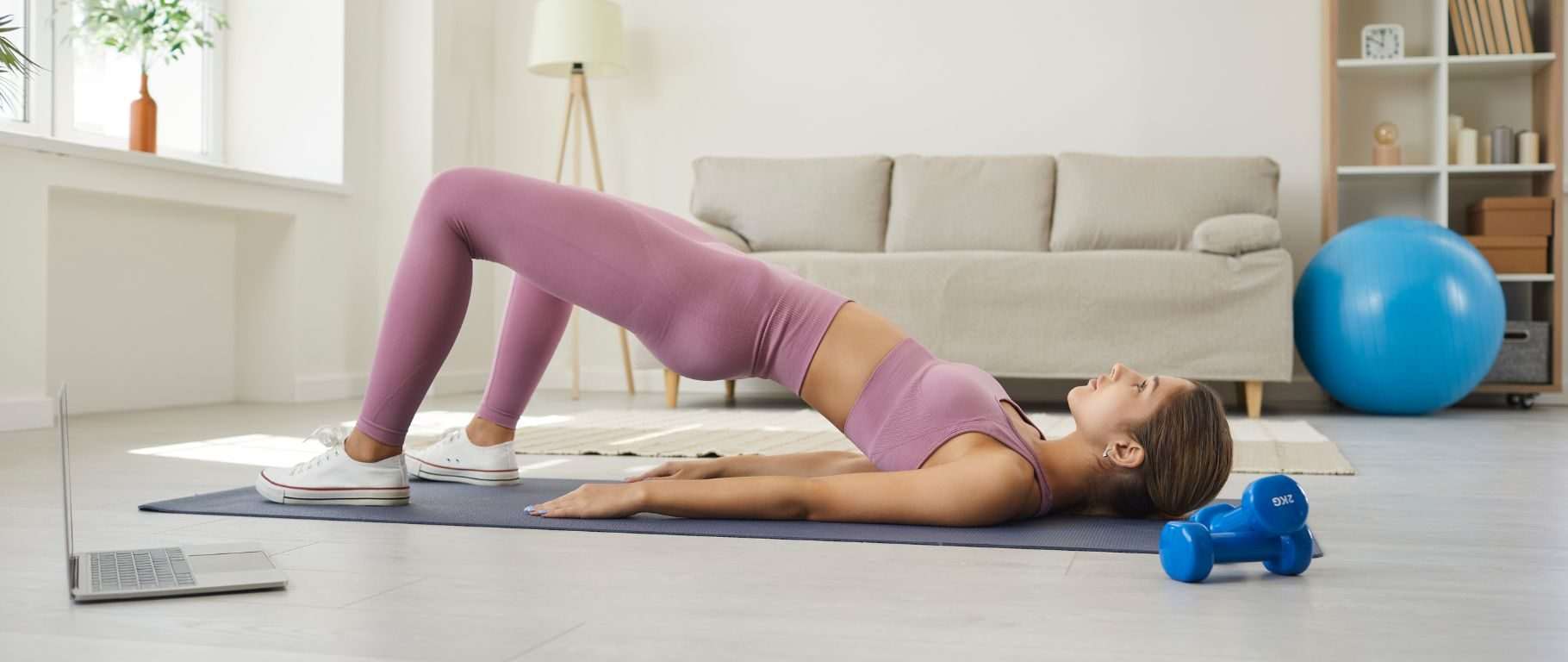
Pelvic Floor Muscle Rehabilitation: Customized exercises help restore muscle tone, coordination, and endurance to support continence and organ positioning.
Scar Tissue Management: Gentle manual therapy improves scar mobility and reduces adhesions from episiotomies or C-section incisions.
Core Stability Training: Strengthening deep abdominal muscles enhances core support and posture.
Pain Management: Techniques such as manual therapy, relaxation, and posture correction relieve discomfort.
Education and Lifestyle Modifications: Guidance on safe lifting, body mechanics, and gradual return to physical activity supports long-term recovery.
Tips for Effective Pelvic Health Recovery
Start pelvic floor exercises as soon as medically advised.
Practice good posture and avoid heavy lifting early postpartum.
Stay hydrated and maintain a balanced diet to support tissue healing.
Attend regular physiotherapy sessions to track progress and adjust exercises.
Be patientrecovery can take weeks to months but consistent care leads to positive results.
When to Consult a Physiotherapist After Childbirth
If you experience persistent symptoms such as urinary leakage, pelvic heaviness, pain, or difficulty with muscle activation beyond the initial postpartum period, seeking professional physiotherapy can prevent chronic issues and support a healthy recovery.
YourFormSux: Your Partner in Postpartum Pelvic Health Recovery
At YourFormSux in Canada, our expert pelvic health physiotherapists provide compassionate, evidence-based care designed for postpartum women. We create personalized rehabilitation programs to help you regain pelvic floor strength, manage symptoms, and return to your daily life with confidence and comfort.