Working from home has its perks, but physical comfort often suffers. If you experience aches, stiffness, or tension during your workday, youre not alone. These symptoms usually result from poor posture, sedentary habits, and a non-ergonomic setup. The good news? You can take control of your environment and daily routine to relieveand even preventpain and …

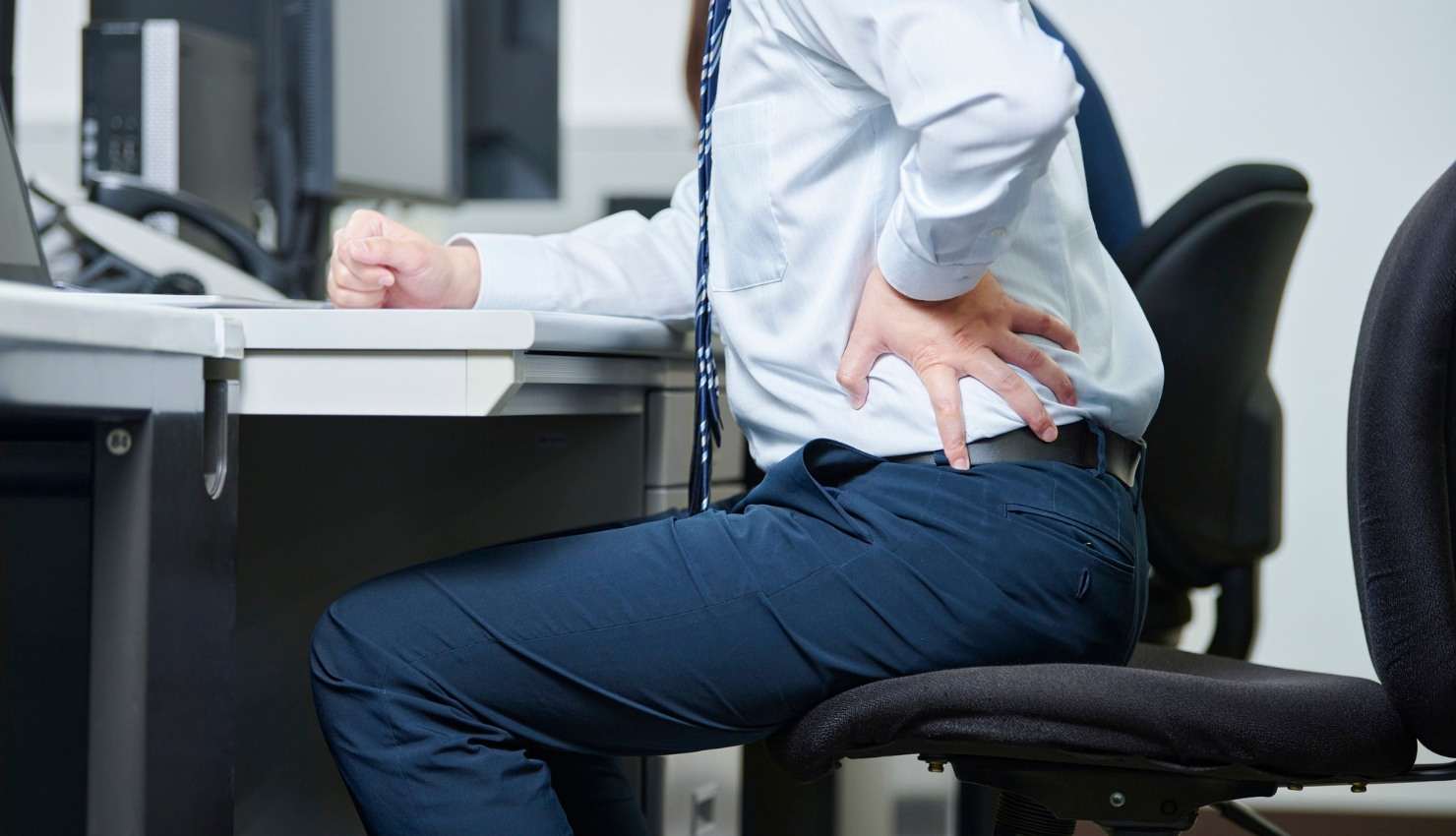
Working from home has its perks, but physical comfort often suffers. If you experience aches, stiffness, or tension during your workday, youre not alone. These symptoms usually result from poor posture, sedentary habits, and a non-ergonomic setup. The good news? You can take control of your environment and daily routine to relieveand even preventpain and tension.
1. Understand the Common Causes
Prolonged Sitting: Compresses the spine and weakens muscles.
Poor Ergonomics: Non-adjustable chairs and low screens strain the neck, shoulders, and wrists.
Lack of Movement: Static postures reduce circulation and muscle flexibility.
Mental Stress: Can physically manifest as tight muscles, headaches, and jaw clenching.
2. Optimize Your Posture
Sit with feet flat, hips slightly above knees, and shoulders relaxed.
Keep your spine upright and avoid slumping or leaning.
Position your monitor at eye level to prevent neck strain.
Use lumbar support to maintain your backs natural curve.
3. Stretch Regularly
Stretching counteracts the negative effects of sitting:
Neck rolls reduce stiffness and tension headaches.
Chest openers combat forward-slouching.
Seated spinal twists help with lower back tension.
Hip flexor stretches relieve tightness from prolonged sitting.
Do these every 12 hours for best results.
4. Take Microbreaks
Even 3060 seconds of movement can interrupt harmful patterns:
Stand up, walk, or do shoulder shrugs.
Use a Pomodoro timer (25 mins work, 5 mins break).
Try eye yoga to reduce strain and fatigue.
5. Use Heat or Cold
Apply a warm compress to tight shoulders or back.
Cold packs can reduce inflammation or acute pain.
6. Strengthen Supporting Muscles
Add resistance training or yoga to your weekly routine. Stronger postural muscles reduce the risk of strain.
7. Mind Your Mind
Stress reduction techniques like deep breathing, meditation, or mindfulness can relax your muscles and reset tension patterns.