Pregnancy is a time of rapid transformation, and your pelvic floor plays a crucial role in supporting your body through every trimester. These muscles support your bladder, uterus, and bowel while helping prepare for childbirth.

Pregnancy is a time of rapid transformation, and your pelvic floor plays a crucial role in supporting your body through every trimester. These muscles support your bladder, uterus, and bowel while helping prepare for childbirth. Performing pelvic floor exercises during pregnancy can improve strength, reduce discomfort, and aid in postpartum recovery. However, not all exercises are created equal. Knowing how to safely activate and relax the pelvic floor is essential to avoid strain or injury.
Why Pelvic Floor Exercises Matter in Pregnancy
As your uterus grows and your posture shifts, your pelvic floor muscles experience increased stress. When theyre weak, you may develop symptoms such as:
Urinary leakage during sneezing or laughing
A heavy or bulging feeling in the vaginal area
Low back or pelvic pain
Decreased core stability
Strengthening the pelvic floor helps prevent these symptoms and prepares the body for labor, where coordinated muscle relaxation is just as important as strength.
Signs You Need Pelvic Floor Support During Pregnancy
Difficulty controlling urine or gas
Pressure or dragging sensation in the pelvis
Pain during movement or sex
Previous pelvic floor dysfunction
These are indicators that you would benefit from personalized pelvic physiotherapy guidance.
How to Safely Begin Pelvic Floor Exercises
Learn to Identify the Right Muscles
Imagine stopping the flow of urine or holding in gasthis is a basic pelvic floor contraction. A physiotherapist can help ensure youre not accidentally engaging the glutes or thighs.
Practice in a Supported Position
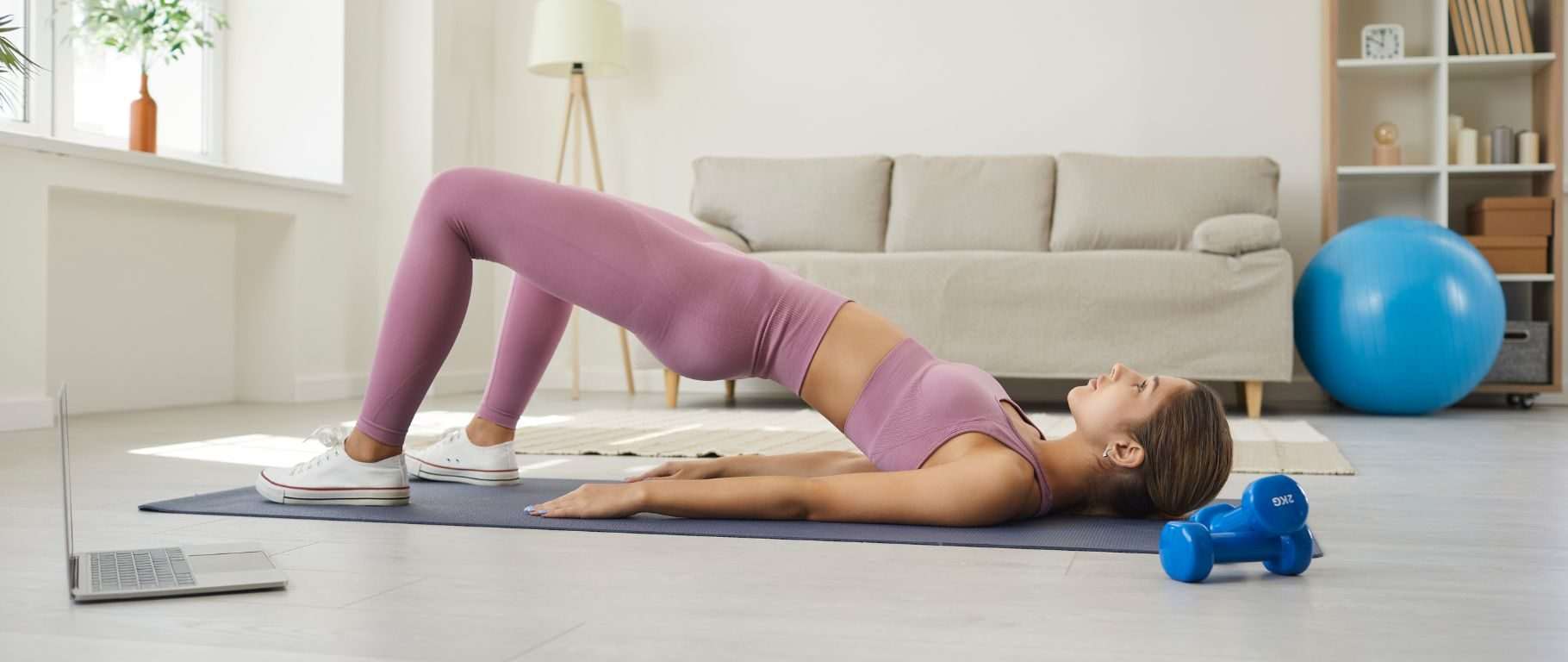
Start exercises while lying on your back with knees bent, sitting upright, or in a side-lying position. These positions reduce pressure on the pelvis and are ideal for beginners.
Combine Strength and Relaxation
Safe pelvic floor training involves both contracting and fully relaxing the muscles. Hold each contraction for 35 seconds, followed by equal or longer relaxation. This teaches the muscles to be responsive, not just tight.
Avoid Overtraining
More is not always better. Excessive or incorrect contractions can lead to muscle tension and worsen symptoms. Stick to a prescribed routine, ideally under professional guidance.
Sync with Breathing
Breathe in to relax the pelvic floor and breathe out during the contraction. Coordinating movement with breath reduces intra-abdominal pressure and protects the core.
Progress Gradually
As your pregnancy progresses, modify your positions and intensity. Standing exercises can be added later once you have good control in seated or lying positions.
Benefits of Proper Pelvic Floor Exercise in Pregnancy
Reduced risk of incontinence during and after pregnancy
Less pelvic and low back discomfort
Easier pushing phase during labor
Faster postpartum muscle recovery
Better body awareness and connection to your core
When to Consult a Physiotherapist
If youre unsure whether youre doing the exercises correctly or if youre experiencing pain, a pelvic health physiotherapist can assess your technique and design a program tailored to your stage of pregnancy and personal needs.
Conclusion
Pelvic floor exercises are one of the most powerful tools you can use to support your body during pregnancybut only when done safely and effectively. At YourFormSux, we guide expecting mothers through every step with expert, hands-on care, ensuring exercises are both safe and effective. By preparing your pelvic floor now, youre investing in a smoother pregnancy, safer delivery, and a stronger postpartum recovery.