How to Safely Rehab a Weak Core to Support Your Spine explores targeted strategies for recovery. Discover new paths to mobility, healing, and personalized care.

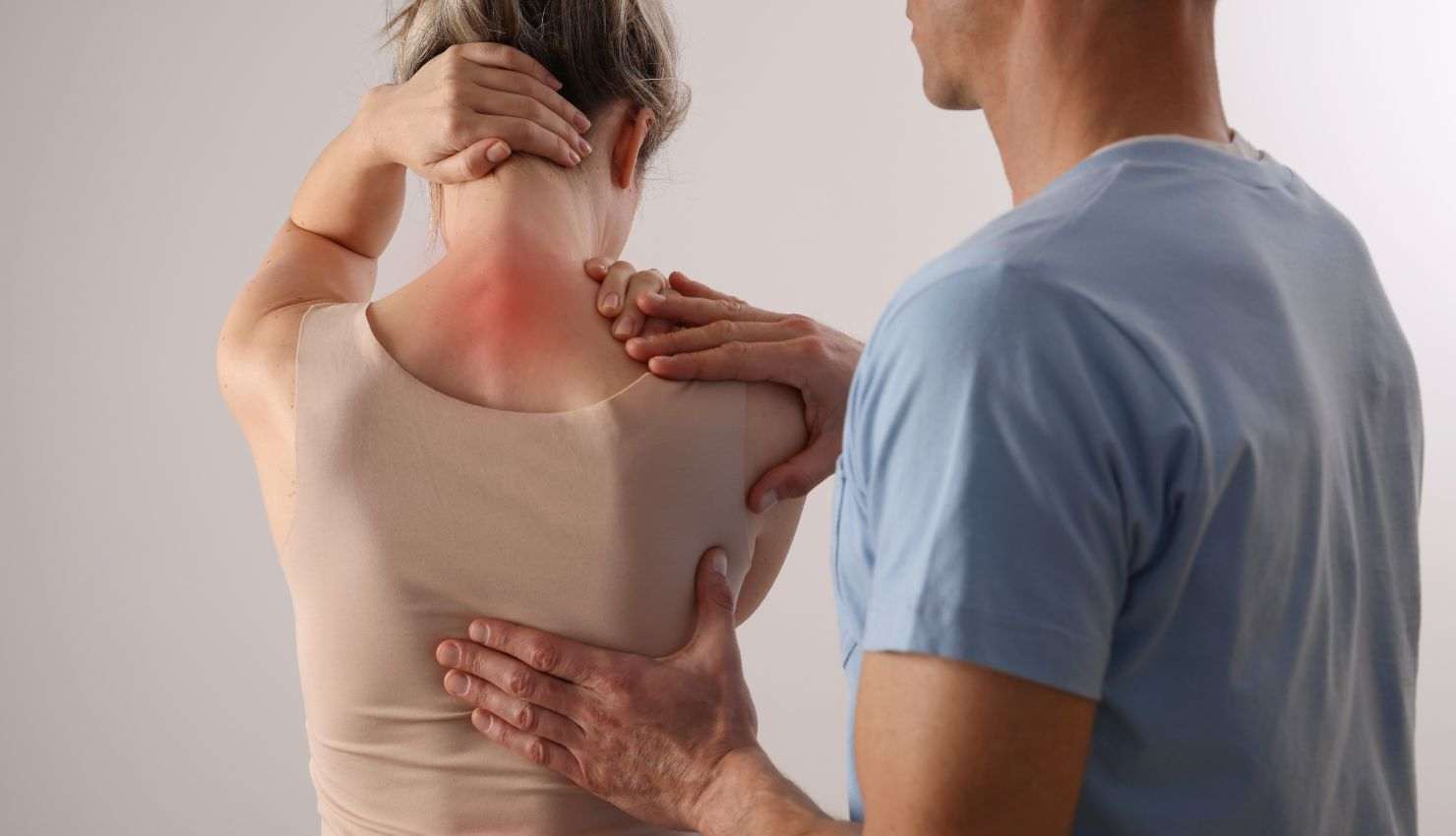
A weak core doesnt just affect your appearanceit can have a serious impact on your spinal health. The core muscles are the foundation of your bodys stability, supporting your spine during everything from everyday movements to intense physical activities. When these muscles arent functioning properly, your spine can become vulnerable to injury and pain.
Rehabilitating a weak core is a crucial step to protect your spine and improve overall function. But it has to be done safely and effectively, especially if youre recovering from injury or dealing with chronic back pain. At Your Form Sucks (YFS), we specialize in guiding clients through a physiotherapy-based core rehab that restores strength, control, and confidence.
Why Rehab a Weak Core?
The core is made up of several muscle groups including the abdominals, pelvic floor, diaphragm, and deep spinal stabilizers. Together, they form a natural brace that supports your spines alignment and absorbs impact.
When the core is weak or poorly coordinated:
Your spine loses stability
Compensatory muscles become overworked
Youre more prone to injuries such as herniated discs or muscle strains
Posture deteriorates, increasing mechanical stress on spinal joints
Rehab focuses on reactivating these muscles, improving coordination, and gradually building strength to prevent further damage.
Step 1: Assessment and Activation
Before jumping into core exercises, a physiotherapist will assess your current core function. This includes checking your posture, breathing patterns, and muscle activation. Many people with weak cores have difficulty properly engaging their deep stabilizing muscles, such as the transverse abdominis.
At YFS, we use techniques like tactile feedback, guided breathing, and simple activation drills to help clients reconnect with these muscles. This phase is critical to ensure that exercises are performed correctly and safely.
Step 2: Gentle Core Strengthening Exercises
Once activation is established, rehab progresses to gentle exercises designed to build endurance and stability. Some common examples include:
Pelvic Tilts Teach pelvic control and spinal alignment
Dead Bug Variations Promote coordinated core engagement
Modified Planks Build endurance without compressing the spine
Bridging Exercises Strengthen posterior core and glutes
These movements focus on slow, controlled activation, minimizing risk of pain or strain. The goal is to create a strong, supportive corset around the spine.
Step 3: Progressing Functional Movement
As strength improves, rehab advances to dynamic exercises that mimic daily activities or sport-specific movements. This helps retrain the core to stabilize the spine during complex, multi-planar motions such as:
Lifting and carrying
Twisting and reaching
Balance and coordination challenges
At YFS, progression is personalized based on your pain levels, mobility, and fitness goals. We ensure that each new exercise is safe and supportive of spinal health.
Step 4: Posture and Ergonomic Education
A big part of core rehab is learning how to maintain good posture throughout the day. Poor postural habits can undermine core strength and perpetuate spinal issues.
Our physiotherapists work with clients to improve:
Sitting and standing posture
Workplace ergonomics
Movement patterns during activities of daily living
Correcting these habits reinforces your core work and protects the spine from unnecessary stress.
Why Professional Guidance Matters
While there are many core exercises available online, attempting rehab without professional guidance can be risky. Without proper assessment and coaching, you might:
Perform exercises incorrectly, increasing injury risk
Skip crucial activation phases, limiting effectiveness
Overload your spine with improper movements
Working with YFS ensures that your rehab is safe, efficient, and tailored to your bodys needs.
SEO & AEO Keywords to Consider
People searching for solutions might use terms like:
how to rehab a weak core, safe core strengthening for back pain, physiotherapy core rehab exercises, or core stability training for spine support. These are valuable keywords that highlight the intersection of core strength and spinal health we focus on at YFS.
Final Thoughts
Rehabilitating a weak core is one of the best investments you can make in your spinal health and overall mobility. Done correctly, it reduces pain, prevents injury, and improves your quality of life. At Your Form Sucks, we guide you every step of the way with evidence-based physiotherapy and personalized programs.
Dont let core weakness hold you backstart your journey to a stronger, healthier spine today.