Comfort and ergonomics go hand-in-hand in your home office. A well-designed space not only helps you avoid pain and fatigue but also enhances focus and productivity. Whether youre at your desk full time or part time, heres how to build a supportive setup.

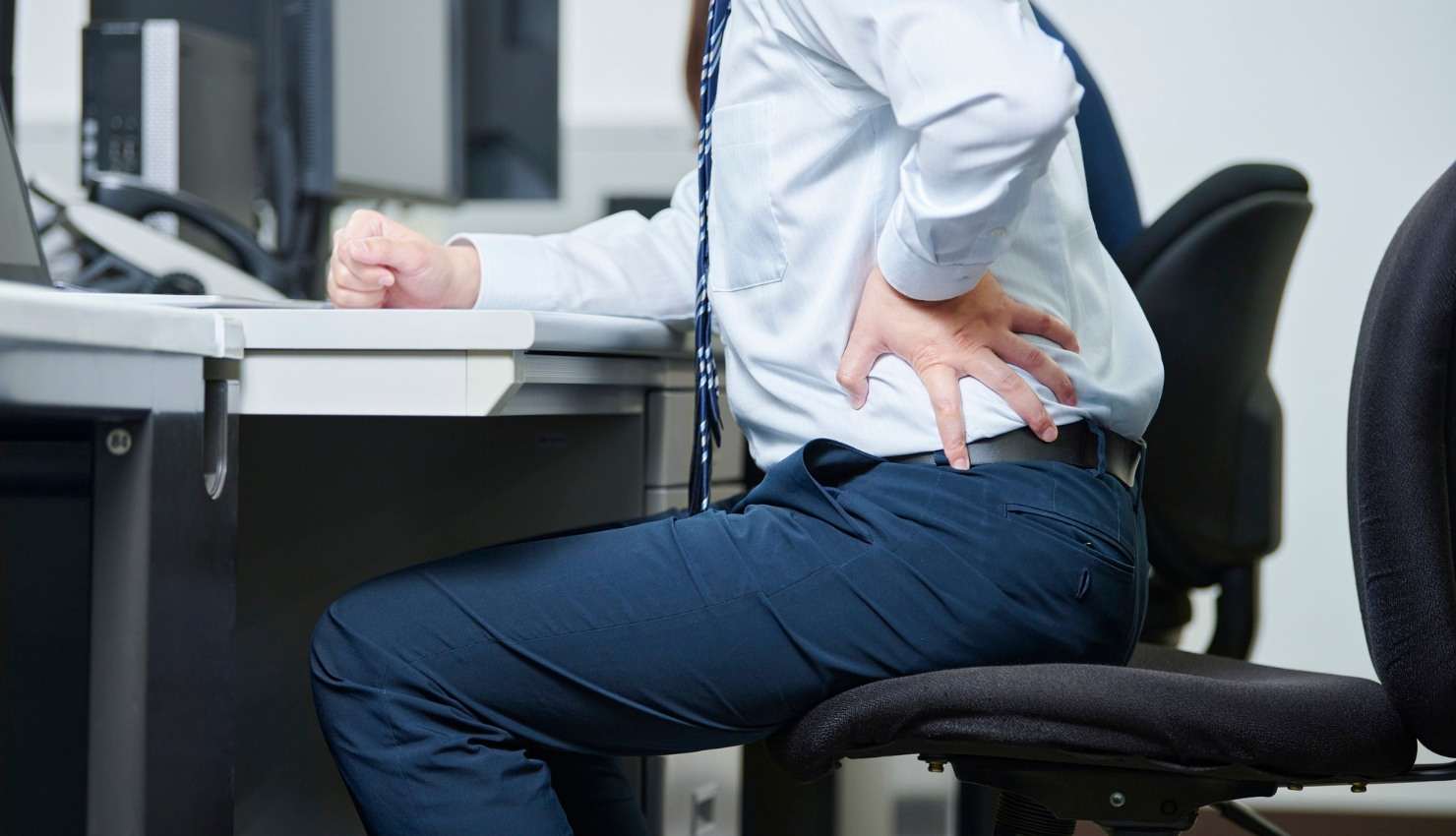
Comfort and ergonomics go hand-in-hand in your home office. A well-designed space not only helps you avoid pain and fatigue but also enhances focus and productivity. Whether youre at your desk full time or part time, heres how to build a supportive setup.
1. Chair Essentials
Your chair should support your spine and promote good posture:
Adjustable height: Feet flat on the floor, knees at or slightly below hip level.
Lumbar support: Supports your lower back curve.
Seat depth: You should be able to sit back with 23 inches between the back of your knees and the chair.
Armrests: Support your elbows without lifting your shoulders.
2. Desk and Monitor Setup
Desk height: Your forearms should be parallel to the floor while typing.
Monitor height: The top third of the screen should be at eye level.
Distance: Screen should be about an arms length away.
3. Keyboard and Mouse
Position your keyboard and mouse at elbow height.
Keep them close to avoid overreaching.
Use a wrist rest or mouse pad with cushion support to avoid strain.
4. Optimize Lighting
Natural light is ideal but avoid glare by positioning your monitor perpendicular to windows.
Use a desk lamp with adjustable brightness.
Avoid overhead lights that create shadows or screen glare.
5. Add Ergonomic Tools
Laptop stand (if using a laptop full-time)
Footrest for shorter users or high chairs
Document holder to prevent neck twisting
6. Keep It Clutter-Free
Organize cords, papers, and accessories.
Use drawers, shelves, or desktop organizers to create mental and physical space.
7. Encourage Movement
Use a sit-stand converter if possible.
Take calls standing or pacing.
Keep water or snacks slightly out of reach to encourage movement.
Conclusion
A comfortable and ergonomic home office protects your body and mind. Prioritize supportive seating, correct alignment, good lighting, and movementyour health depends on it.