Choose the Right Chair Support: Use an ergonomic chair with lumbar (lower back) support.

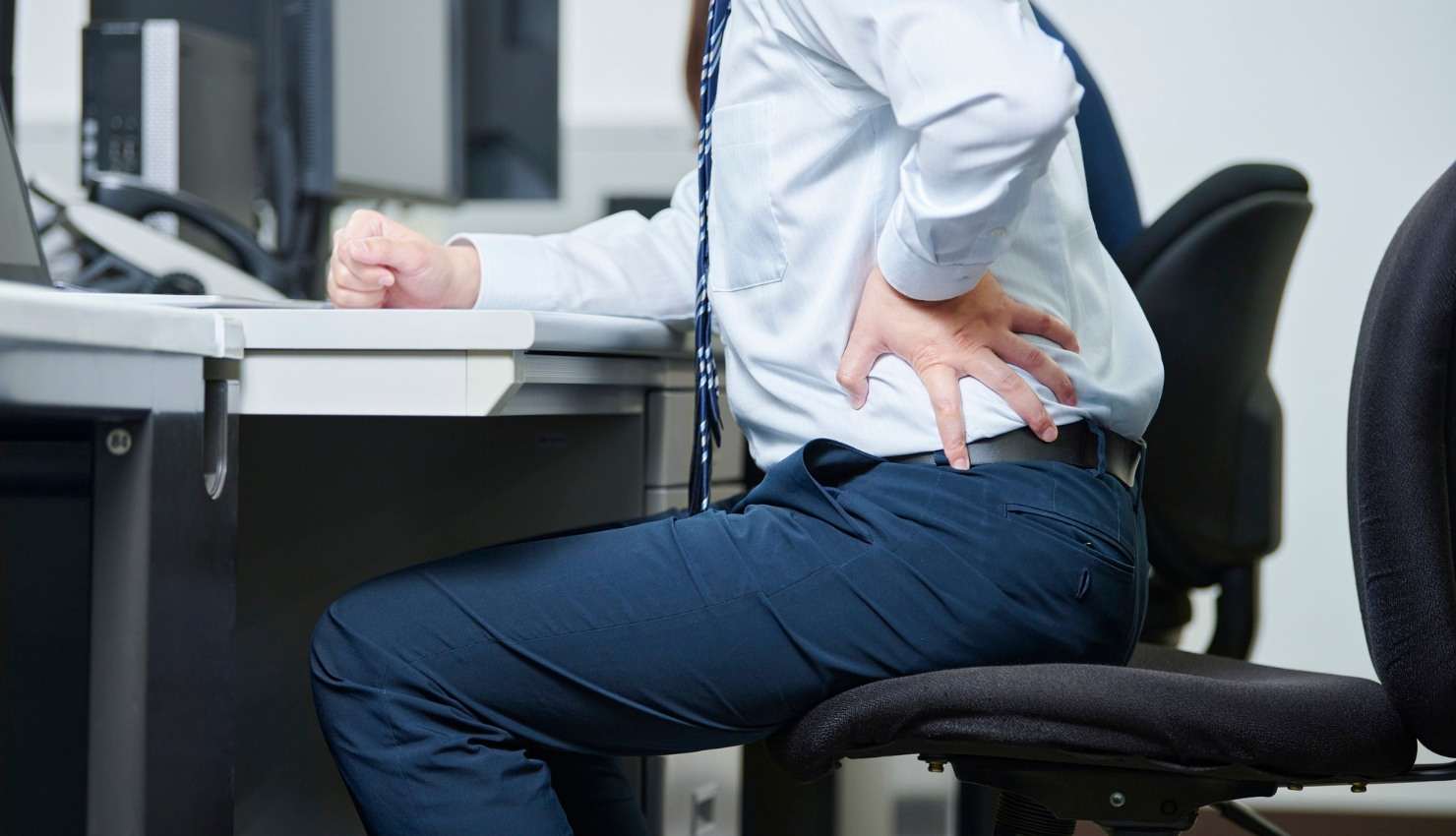
Choose the Right Chair
Support: Use an ergonomic chair with lumbar (lower back) support.
Adjustability: Seat height, backrest, and armrests should be adjustable.
Positioning: Sit with your hips as far back as possible, knees at 90 degrees, feet flat on the floor or on a footrest.
? 2. Desk Setup
Height: Desk height should allow your forearms to rest parallel to the floor.
Clearance: Ensure enough space under the desk for your knees and legs to move freely.
? 3. Monitor Placement
Height: Top of the screen should be at or just below eye level.
Distance: Monitor should be about 2030 inches (an arms length) away.
Alignment: Keep the screen centered in front of you to avoid neck strain.
? 4. Keyboard and Mouse Position
Keyboard: Place it so your elbows are at 90110 degrees and close to your body.
Mouse: Keep it on the same surface as your keyboard, within easy reach.
Wrist Position: Use a soft wrist rest or keep wrists in a neutral, flat position.
? 5. Lighting
Natural Light: Use daylight when possible, but avoid glare on screens.
Task Lighting: Use a desk lamp to reduce eye strain if needed.
Screen Brightness: Match screen brightness to your surroundings.
? 6. Posture Reminders
Sit upright with ears aligned with shoulders.
Avoid leaning forward or slouching.
Use posture-correcting tools like reminders or apps (e.g., PostureMinder, Upright).
? 7. Take Frequent Breaks
Follow the 20-20-20 Rule: Every 20 minutes, look at something 20 feet away for 20 seconds.
Movement: Stand, stretch, or walk around every 3060 minutes.
? 8. Foot Position
Keep feet flat on the ground or on a footrest.
Avoid crossing legs to maintain even weight distribution and avoid pelvic misalignment.
? 9. Add Movement Tools
Use a sit-stand desk or standing desk converter.
Consider a balance cushion, foot roller, or resistance band under the desk.
? 10. Personalize for Comfort
Add supportive cushions if needed.
Keep water, ergonomic tools, and frequently used items within arms reach.