1. Start with a Supportive Chair Your chair is the foundation of your posture and spinal health.

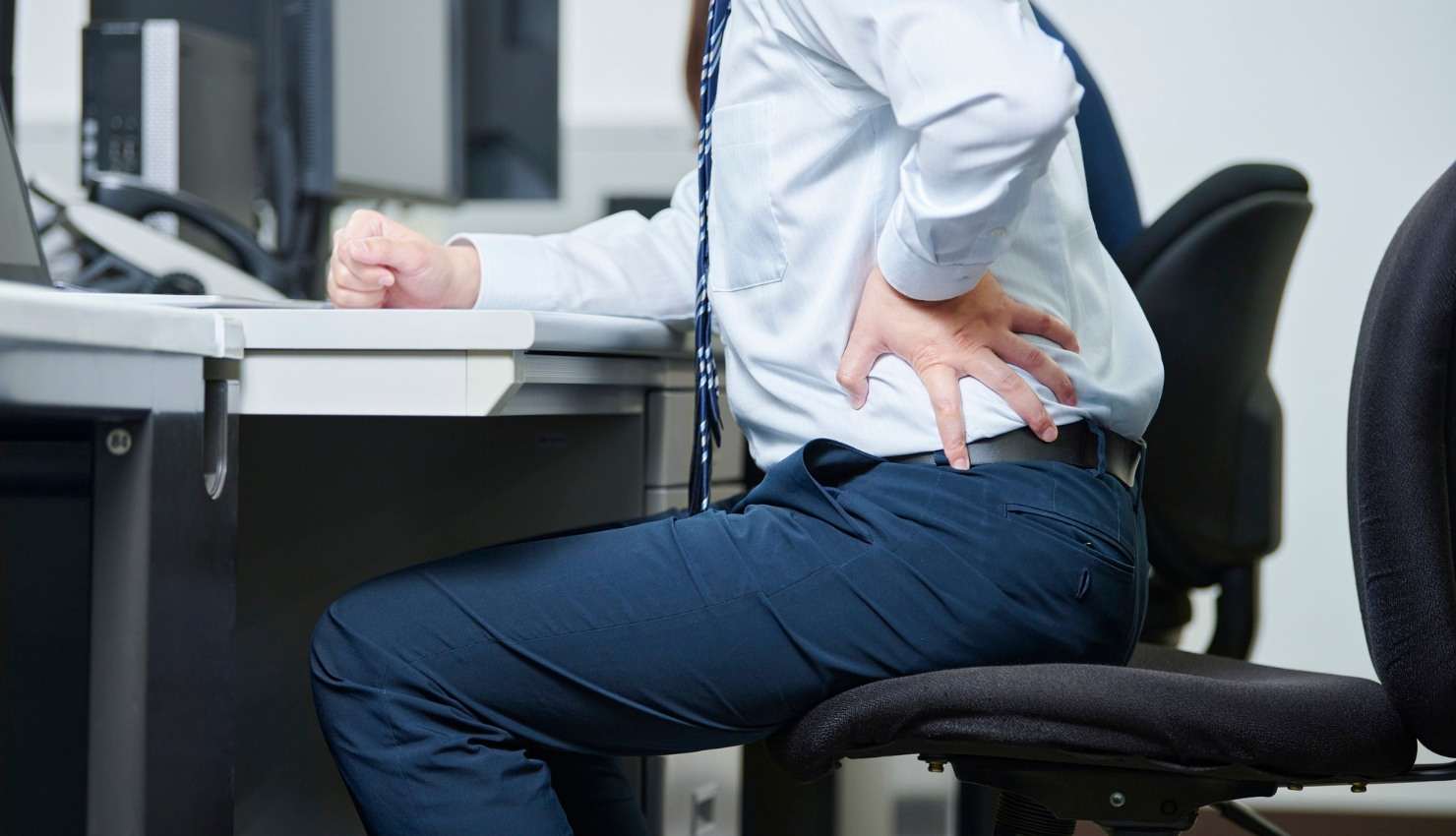
1. Start with a Supportive Chair
Your chair is the foundation of your posture and spinal health.
Look for:
Adjustable seat height: Feet flat on the floor, knees at 90°
Lumbar support: Keeps your lower back supported and neutral
Comfortable seat cushion: Avoids pressure on your hips and thighs
Adjustable armrests: Allow elbows to rest close to your body
?? No ergonomic chair? Use a cushion or rolled towel for back support.
??? 2. Position Your Monitor at Eye Level
If your screen is too low or off-center, youll crane your neck a major cause of tech neck.
Monitor tips:
Top of screen at or just below eye level
Arms length away from your face (about 2028 inches)
Use a monitor riser or stack of books for height
If using a laptop, invest in a laptop stand and separate keyboard
?? Keep your head aligned with your spine to reduce tension.
?? 3. Set Your Keyboard and Mouse for Neutral Wrists
Typing with bent wrists or raised shoulders adds strain to your upper body.
Ideal setup:
Keyboard and mouse at elbow height
Wrists straight and relaxed use a wrist rest if needed
Keep shoulders relaxed, elbows tucked close to your sides
Mouse next to keyboard, not far off to the side
?? Avoid overreaching or hunching these tiny habits add up to chronic pain.
?? 4. Add Movement to Your Workspace
Sitting still for hours harms circulation, joint health, and posture.
Try to:
Stand up and stretch every 3060 minutes
Use a sit-stand desk if available, or alternate between chair and standing counter
Keep a foam roller, yoga mat, or resistance band nearby for quick breaks
Use walk-and-talk calls or movement reminders on your phone
?? Movement is essential even 2 minutes makes a difference.
?? 5. Maximize Comfort with the Right Tools
Adding a few affordable accessories can dramatically improve your comfort.
Consider:
Footrest: Keeps your knees and hips aligned if your chair is too high
Anti-fatigue mat: For standing desks or hard floors
Desk lamp: Prevents eye strain with proper lighting
Noise-canceling headphones: Reduce mental stress from distractions
Plants or natural light: Boost mood and reduce eye strain
??? Create an environment that feels good not just functional.
?? Healthy Home Office Checklist
Item Why It Matters Check
Chair with lumbar support Protects spine and posture ?
Monitor at eye level Reduces neck and shoulder tension ?
Keyboard and mouse aligned Prevents wrist and arm pain ?
Regular movement breaks Improves circulation and reduces stiffness ?
Good lighting and desk setup Supports eye health and focus ?