Your spine supports your entire upper body and protects your nervous system. Poor workspace ergonomics can lead to:

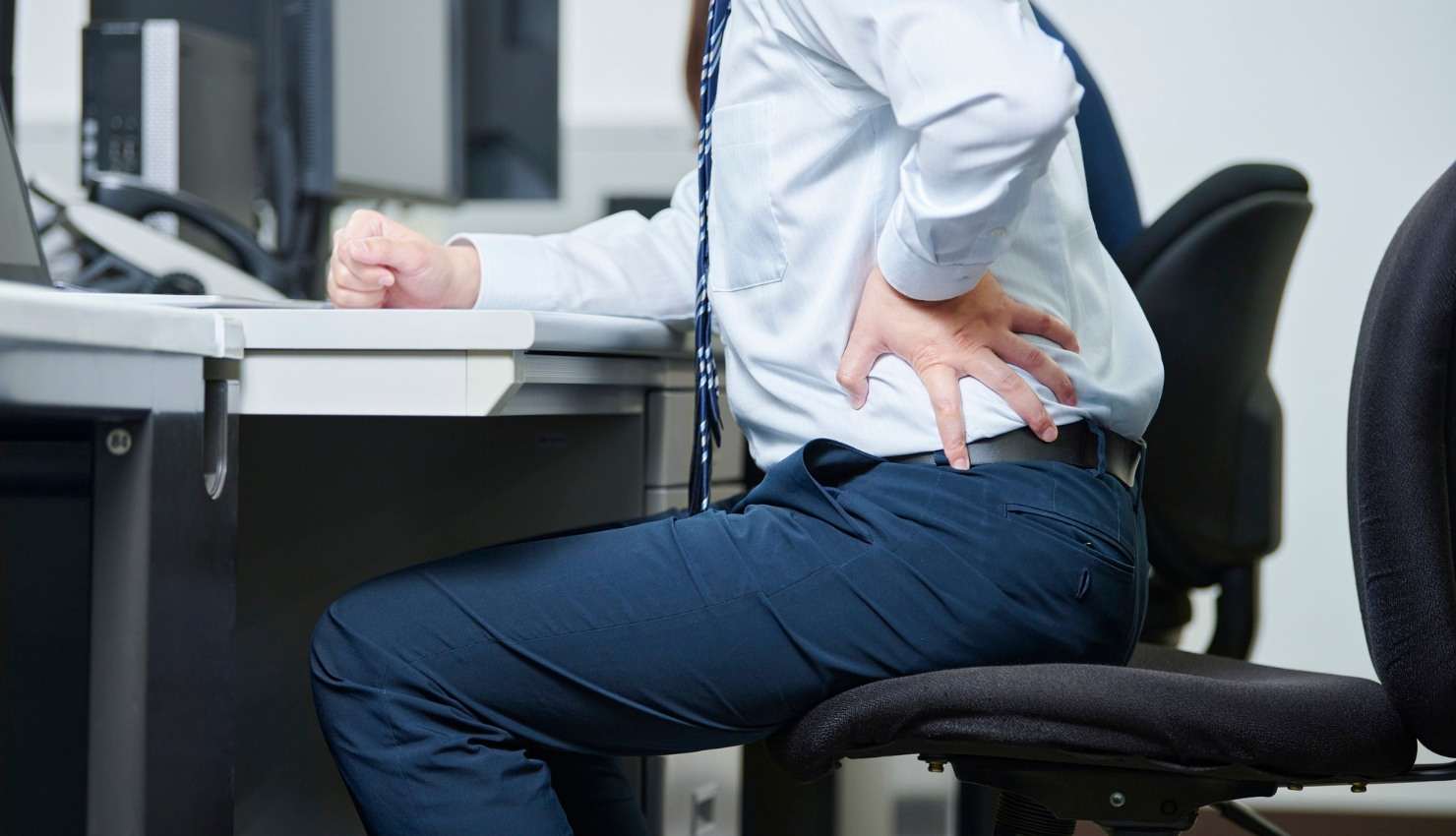
Your spine supports your entire upper body and protects your nervous system. Poor workspace ergonomics can lead to:
Neck and lower back pain
Muscle stiffness and fatigue
Slouched posture and disc compression
Long-term spinal misalignment
?? The problem isnt just sittingit’s how you’re sitting (and how long you’re staying still).
? Step-by-Step Guide to a Spine-Friendly Workspace
1. Start with the Right Chair
Adjustable height and armrests
Firm lumbar support (use a cushion if needed)
Sit so your hips are slightly higher than your knees
Feet flat on the floor or a footrest
?? Your back should feel supported, not slouched or strained.
2. Monitor Placement
Top third of the screen at eye level
Arms length away from your face
Centered directly in front of you (not angled)
?? Looking up or down for long periods strains the neck and upper spine.
3. Desk and Keyboard Height
Elbows bent at 90 degrees
Wrists straight and level with your forearms
Mouse and keyboard close to your body to avoid reaching
??? Consider using an external keyboard and mouse if working on a laptop.
4. Use a Standing Desk (or Alternate Between Positions)
Alternate between sitting and standing every 3060 minutes
When standing, keep your screen and keyboard at appropriate height
Stand with soft knees and evenly distributed weight
?? Sitting too long compresses your lower spinemovement is medicine.
5. Lighting and Screen Glare
Position screen to avoid glare and reduce squinting
Use natural lighting when possible
Place a task light to brighten your desk without harsh shadows
??? Eye strain leads to leaning forwarda direct hit to posture.
6. Cable and Clutter Management
Keep the floor clear to allow for comfortable foot placement
Minimize reaching or twisting to access items
Arrange cords to prevent awkward bending or tripping hazards
?? A clean space encourages good posture and reduces stress.
7. Add Movement Reminders
Use a timer or app to cue posture checks and stretch breaks
Set goals: Stand 12 minutes every 3045 minutes
Keep a foam roller, resistance band, or yoga mat nearby for micro-breaks
?? Even simple stretches throughout the day reduce spinal load.
?? Bonus: Quick Daily Posture Reset Routine
Try this 3-minute desk-side reset:
10 shoulder rolls
5 chin tucks
10 wall angels or air punches
30-second standing backbend
5 glute squeezes
?? These exercises reactivate postural muscles and decompress your spine.
?? Your Spine-Healthy Home Office Checklist
Component Key Adjustment
Chair Lumbar support, hips above knees
Desk height Elbows at 90°, wrists neutral
Monitor Eye level, directly in front
Keyboard & mouse Close to body, wrists flat
Standing option Available for alternating posture
Lighting Reduces screen strain and hunching
Movement breaks 12 minutes every 3045 minutes
?? Want Personalized Help?
I can create:
A custom ergonomic setup guide based on your space
A printable spine-care stretch sheet
A video demo of posture-correcting physiotherapy moves