In todays increasingly sedentary world, many women find themselves sitting for long periods at desks, in cars, or during leisure time. But …

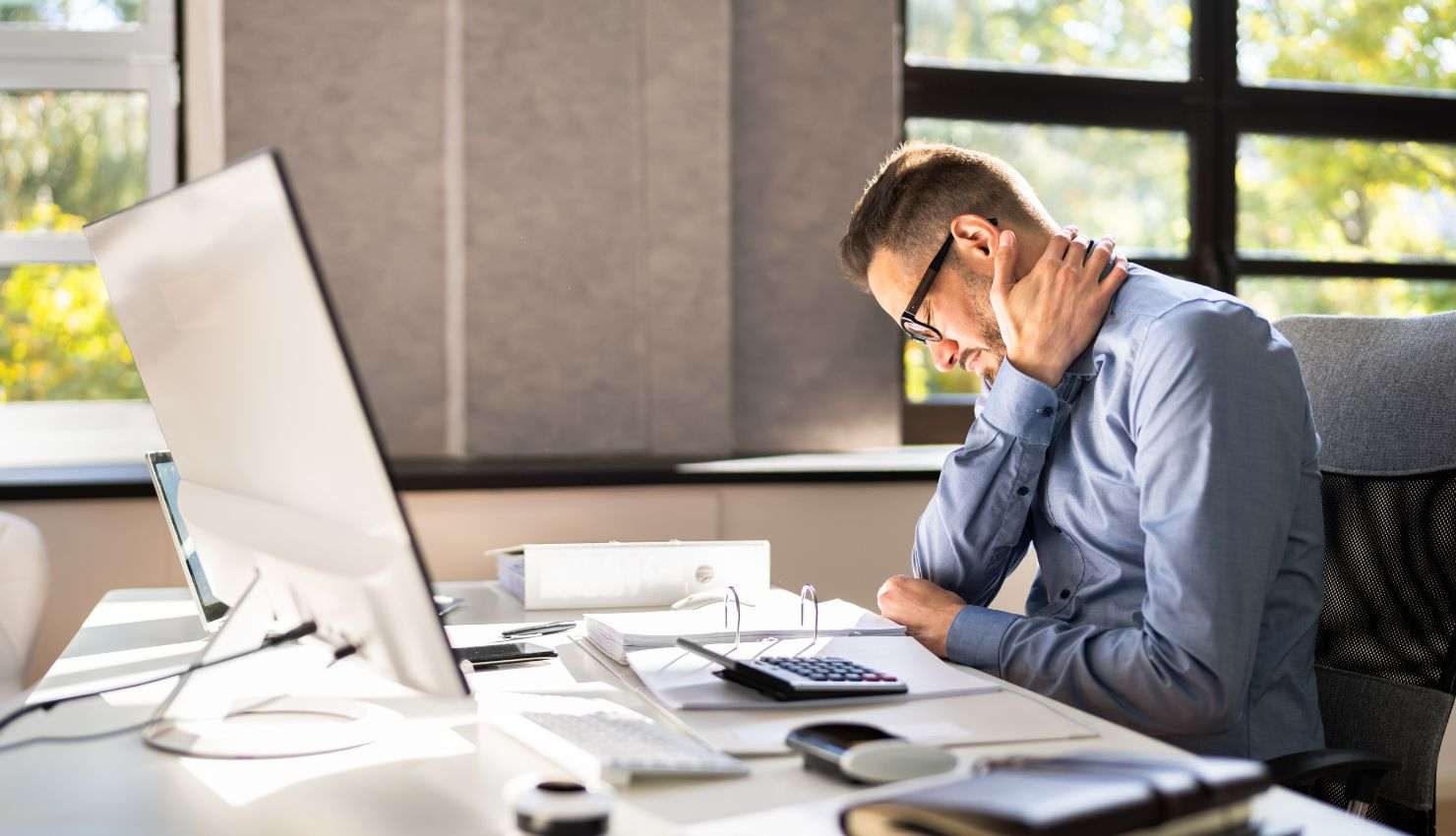
In todays increasingly sedentary world, many women find themselves sitting for long periods at desks, in cars, or during leisure time. But sitting for hours on end can have serious implications for posture, pelvic health, and overall well-being. For women who already experience pelvic floor dysfunction, postpartum issues, or chronic lower back discomfort, poor sitting posture can worsen symptoms and delay healing. The challenge lies in learning how to sit comfortably without compromising posture or pelvic alignment. This blog offers practical, physiotherapy-informed strategies to help you sit betterat work, at home, or on the go.
Why Sitting Posture Matters for Womens Health
Postural alignment affects far more than just your back or neck. For women, particularly those navigating pelvic floor dysfunction, postpartum recovery, or chronic menstrual pain, poor posture can exacerbate internal pressure on the pelvic organs. Prolonged slouching increases strain on the pelvic floor muscles, compromises circulation, and interferes with core stability.
Common symptoms caused or worsened by poor sitting posture include:
Lower back pain
Pelvic heaviness or pressure
Tailbone pain (coccygodynia)
Bladder urgency or incontinence
Hip tightness and poor core engagement
Understanding how to adjust your sitting habits can help reduce discomfort and improve long-term pelvic health.
The Science Behind a Supportive Sitting Posture
A healthy sitting posture allows your body to maintain neutral alignment. This means your ears are stacked above your shoulders, shoulders above hips, and feet flat on the ground. The pelvis should be in a neutral positionnot tucked under or excessively arched. When sitting properly, the spine maintains its natural curves, and the pelvic floor muscles can activate effectively without bearing undue pressure.
If youre struggling with posture correction or pelvic pain, sitting comfort often depends on:
Lumbar support
Seat height and depth
Pelvic tilt control
Core and glute engagement
Lets explore specific, actionable ways to sit more comfortably without compromising your postural alignment.
1. Choose Ergonomic Seating That Supports Pelvic Health
Whether youre sitting at a desk or on the couch, the right chair makes a difference. Look for seating that:
Supports the natural lumbar curve
Keeps your hips slightly higher than your knees
Allows your feet to rest flat on the floor or a footrest
Has a firm yet cushioned surface for even weight distribution
Avoid ultra-soft cushions or deep bucket seats, as they encourage a posterior pelvic tilt, which flattens the spine and strains the pelvic floor. If your chair lacks support, consider using a wedge cushion to create a gentle anterior tilt and promote better alignment.
2. Mind Your Pelvis: Neutral Tilt Is Key
One of the biggest posture mistakes women make while sitting is tucking the pelvis underneathalso known as slumping. This compresses the tailbone and reduces core muscle activation. Instead:
Gently tilt your pelvis forward so your sit bones rest evenly on the chair
Avoid sitting directly on your tailbone
Dont exaggerate the tilt into a swayback posture; keep the spine lengthened
Mastering this pelvic positioning reduces internal pressure on the bladder and uterus while also encouraging balanced activation of the deep core and pelvic floor muscles.
3. Engage the CoreGently
Contrary to popular belief, good posture doesnt require clenching your abs all day. But subtle core engagement makes a big difference. Think of drawing your belly button slightly inwardnot to brace hard, but to lightly support your spine. At the same time, lift gently through your pelvic floor. These subtle activations:
Reduce slouching fatigue
Improve spinal alignment
Enhance pelvic support during long periods of sitting
Women recovering from diastasis recti or pelvic organ prolapse especially benefit from these micro-adjustments that train the body to find stability from within.
4. Dont Stay StaticMovement Is Medicine
No sitting posture, no matter how perfect, should be held for hours. Our bodies are designed to move. For women managing pelvic floor dysfunction, regularly shifting positions is essential for circulation, muscular endurance, and tissue recovery.
To minimize discomfort:
Change positions every 20 to 30 minutes
Stand up, stretch, or walk briefly
Alternate between sitting on a chair and a stability ball (if cleared by your physiotherapist)
Use a sit-stand desk if available
Micro-breaks not only relieve tension but help reactivate deep core and glute muscles, which often go dormant during long sitting periods.
5. Align Feet, Knees, and Hips
Your lower body plays a key role in sitting comfort and posture. Make sure:
Feet are flat on the floor, hip-width apart
Knees are level with or slightly below the hips
Hips are not rotated or twisted to one side
Crossing legs, especially at the knees, can lead to uneven pressure on the hips and pelvis. This can result in poor circulation and muscle imbalances that further irritate pelvic conditions.
6. Listen to Your BodyComfort Is Personal
While guidelines help, theres no one-size-fits-all rule for sitting posture. Women healing from different pelvic conditions may need customized strategies. The key is tuning into your body. If you feel pressure, discomfort, or numbness, its a sign to adjust.
Consider working with a pelvic floor physiotherapist who can assess your posture, sitting habits, and muscle function to create a personalized plan. For example, some women may benefit from:
Special cushions to offload the tailbone
Lumbar rolls to reduce back fatigue
Stretching protocols for hip flexors and hamstrings
Postural re-education exercises
7. Build Long-Term Sitting Resilience
Improving your sitting posture is about building resilience and awarenessnot perfection. Over time, as you become more conscious of your alignment, your muscles adapt and postural endurance improves. This leads to:
Fewer posture-related symptoms
Better bladder and bowel control
Enhanced core and pelvic floor function
Improved productivity and comfort during seated tasks
For women balancing work, family, and recovery, these small posture adjustments deliver big improvements in daily quality of life.
Final Thoughts
Sitting comfortably without sacrificing posture is not about rigid discipline. Its about understanding your body, respecting its needs, and making small adjustments that support pelvic health and postural alignment. With the right techniquesneutral pelvic positioning, core awareness, ergonomic support, and regular movementyou can prevent pain and empower your body to heal and thrive.