How to Speed Up Recovery with Sports-Specific Physiotherapy after a Concussion explores targeted strategies for recovery. Discover new paths to mobility, healing, and personalized care.

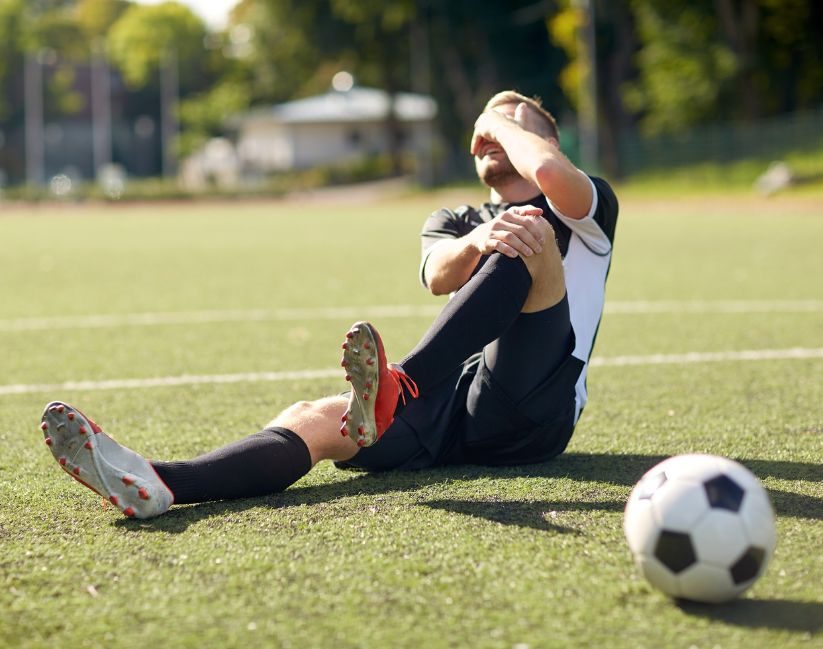
Concussions are among the most misunderstood sports injuries. Often considered invisible injuries, they dont come with casts or crutchesbut they can seriously impact an athletes ability to think, move, train, and play. Fortunately, with sports-specific physiotherapy, concussion recovery doesnt have to mean sitting still in the dark for weeks.
At YFS (YourFormsUX), we offer targeted physiotherapy solutions that help athletes in Canada recover from concussions faster and more effectivelywithout compromising long-term brain health.
What Is a Concussion?
A concussion is a mild traumatic brain injury caused by a direct blow to the head or a jarring motion that shakes the brain. This can happen in contact sports like hockey, football, soccer, rugby, or even in non-contact sports like skiing or cycling.
Common symptoms include:
Headaches or pressure in the head
Dizziness or balance issues
Nausea
Difficulty concentrating or memory fog
Sensitivity to light or noise
Fatigue or sleep disturbances
While most athletes recover within a few weeks, ignoring symptoms or rushing back to play can prolong recovery and increase the risk of second-impact syndromea dangerous complication where another hit happens before full recovery.
Why Sports-Specific Physiotherapy Matters for Concussion Recovery
Every athlete recovers differently. What works for one person might not work for another. Thats why we dont believe in one-size-fits-all care. Our sports-specific concussion therapy at YFS is designed to:
Treat the full spectrum of symptomsphysical, cognitive, and emotional
Reintegrate athletes into activity safely and gradually
Restore sport-specific movement and coordination
Prevent re-injury and long-term complications
Step-by-Step: Sports-Specific Concussion Recovery at YFS
1. Comprehensive Assessment
Our recovery program begins with a full evaluation to assess:
Balance and coordination
Vision and oculomotor control
Neck and spinal function
Vestibular (inner ear) function
Cognitive response (light, memory, focus)
We tailor the treatment plan based on the findings and the athletes sportbecause recovery for a soccer player will look different from that of a figure skater or cyclist.
2. Vestibular and Balance Rehabilitation
Many athletes experience balance and dizziness after a concussion. Our treatment may include:
Balance retraining using stability platforms or BOSU balls
Gaze stabilization exercises (to reduce blurred vision when moving)
Head-eye coordination drills
Gradual exposure to movement to retrain the brain-body connection
Balance work is especially important for sports like football, hockey, or gymnastics, where dynamic body control is essential.
3. Cervicogenic Symptom Management
Neck and upper spine injuries often occur alongside concussions. If left untreated, they can prolong headaches and dizziness. We use:
Manual therapy for cervical spine mobility
Targeted strengthening of deep neck flexors
Postural corrections
Joint mobilizations to reduce tension and pain
Athletes involved in high-contact sports like rugby or wrestling often benefit greatly from this dual focus on head and neck health.
4. Gradual Cardiovascular Reconditioning
Contrary to old myths, complete rest for weeks isnt ideal. Instead, we introduce sub-threshold cardiovascular traininglight activity that doesnt worsen symptomsto:
Stimulate brain healing
Improve mood and focus
Prevent deconditioning
This could be light stationary biking, walking, or elliptical workouts, carefully monitored to avoid symptom spikes.
5. Sport-Specific Movement Reintegration
As symptoms subside, we introduce movements specific to the athletes sport:
Controlled dribbling drills for soccer players
Stickhandling and skating drills for hockey athletes
Shadow sparring for combat athletes
Jump landing and court drills for basketball players
These activities are monitored to assess coordination, reaction time, and symptom response.
When Can an Athlete Return to Play?
Returning too early is risky. At YFS, we follow a stepwise, criteria-driven approach:
Complete symptom resolution at rest
Tolerance to light aerobic activity without symptom return
Passing balance and cognitive tests
Tolerance to non-contact drills at sport intensity
Clearance by a trained medical professional
Only after these steps is full return to competition advised.
Educating Athletes and Coaches
We believe concussion education is just as important as treatment. At YFS, we work closely with athletes, parents, and coaches to:
Identify symptoms early
Understand proper return-to-play timelines
Learn how to prevent future concussions through safer movement and strengthening
Foster a recovery mindset that values brain health over pushing through discomfort
Why Choose YFS for Concussion Recovery?
Specialized care for youth and adult athletes
Integrated team of physiotherapists, neurologic experts, and strength coaches
Sport-specific approach that gets athletes back to their best
Compassionate guidance every step of the way
Our clinic in Canada supports athletes in hockey, soccer, cheerleading, rugby, skiing, and more. Whether your concussion was from a high-speed collision or an accidental fall, we have the tools to help you bounce backsafely and confidently.
Final Thoughts
A concussion doesnt have to be the end of your season. With sports-specific physiotherapy, you can recover fully, return to sport on your terms, and build resilience against future injuries. At YFS, were here to guide your comeback with care thats custom-built for your brain, your sport, and your future.