Injuries can significantly disrupt your daily activities, often causing pain and limiting mobility. However, staying active during recovery is important for healing, maintaining strength, and preventing further deconditioning.

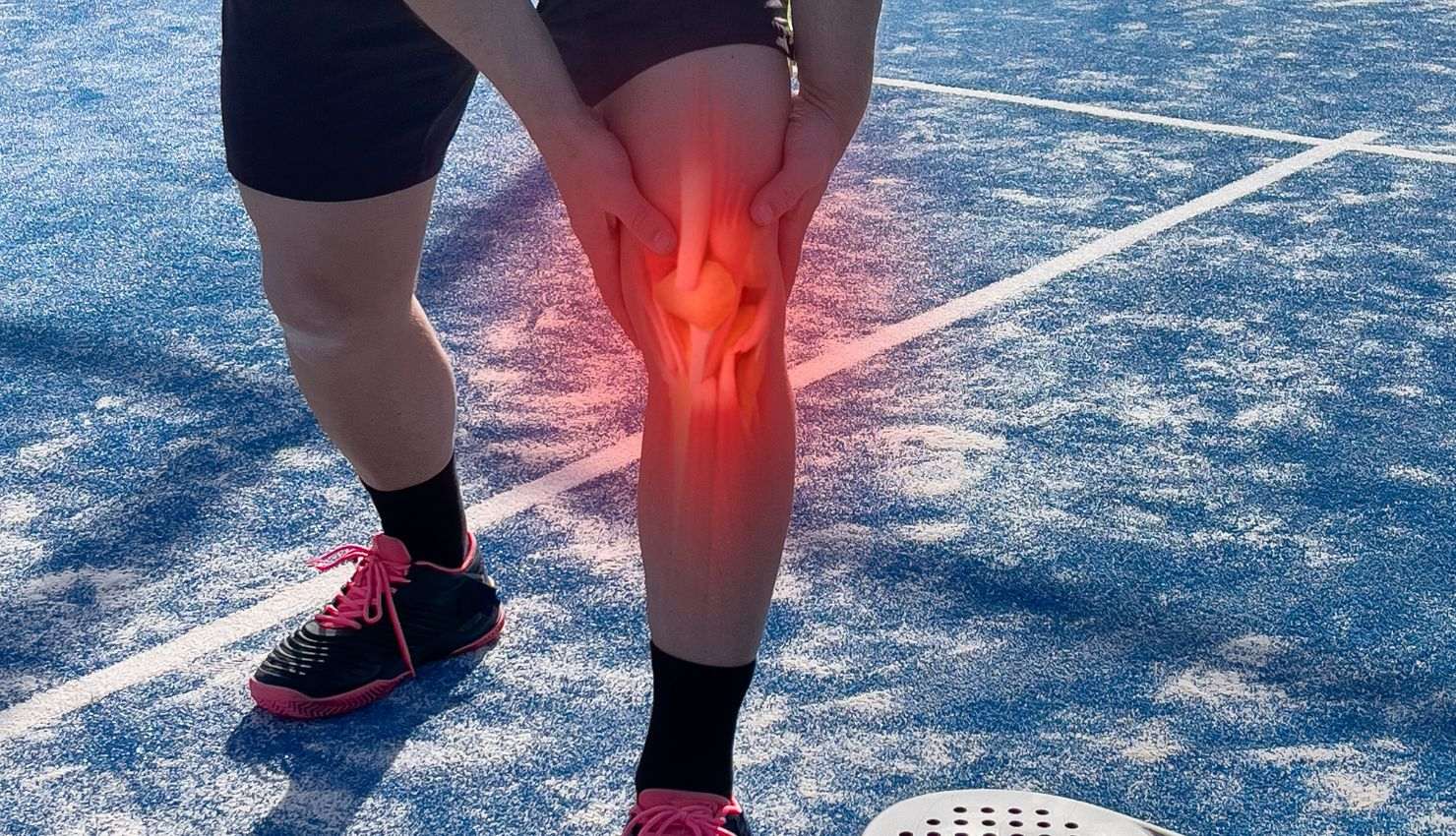
Injuries can significantly disrupt your daily activities, often causing pain and limiting mobility. However, staying active during recovery is important for healing, maintaining strength, and preventing further deconditioning. With the right approach, you can manage pain and still keep your body moving, aiding in your recovery process. Heres how to stay active while managing pain from an injury:
### **1. Consult a Physiotherapist**
Before starting any activity, its essential to consult with a physiotherapist or healthcare professional who can assess your injury, provide a diagnosis, and recommend specific exercises or activity modifications. They will help tailor a safe and effective program based on your injury and pain levels.
#### **Why a Physiotherapist Is Important:**
* **Customized Exercise Plans**: Physiotherapists develop personalized rehabilitation plans that account for the type of injury and current pain level, ensuring you stay active without aggravating the injury.
* **Proper Techniques**: They guide you in using proper techniques during exercises to avoid further strain or injury.
* **Pain Management**: Physiotherapists can offer strategies to manage pain, such as using ice/heat, stretching, or specific strengthening exercises to reduce discomfort.
—
### **2. Start with Low-Impact Activities**
While managing pain from an injury, high-impact or strenuous activities may exacerbate your symptoms. Opt for low-impact exercises that are easier on your joints, muscles, and injured area, while still allowing you to stay active and promote healing.
#### **Low-Impact Activities to Consider:**
* **Walking**: If your injury permits, walking is a great low-impact exercise that helps maintain circulation and promote healing. Start with short, easy walks and gradually increase your distance as tolerated.
* **Swimming and Aquatic Therapy**: Water provides buoyancy, reducing the stress on your body while allowing you to perform a variety of movements. Swimming or water aerobics is ideal for people recovering from lower body injuries or joint problems.
* **Cycling (Stationary or Outdoors)**: Stationary biking or cycling on flat surfaces with minimal resistance can strengthen the legs and improve cardiovascular health without putting pressure on the injured area.
* **Elliptical Machine**: Using an elliptical machine is a low-impact alternative to running that simulates walking and provides an excellent cardiovascular workout.
* **Yoga and Pilates**: Gentle yoga and Pilates exercises focus on improving flexibility, balance, and strength while being mindful of any limitations due to the injury. These practices can also help with pain management and relaxation.
—
### **3. Focus on Flexibility and Stretching**
Stretching and flexibility exercises help maintain the range of motion, prevent stiffness, and promote blood flow to the injured area. If youre dealing with a muscle strain, tendon injury, or joint injury, gentle stretching can improve flexibility without placing excessive strain on the body.
#### **Stretching Tips for Injury Recovery:**
* **Gentle Stretches**: Avoid overstretching or forcing any movements. Use slow, controlled movements to gently stretch the muscles and tissues around the injury. Be mindful of painif it increases during stretching, stop immediately.
* **Range of Motion Exercises**: Physiotherapists often recommend specific ROM exercises to keep the injured joint moving, reduce stiffness, and prevent further loss of mobility.
* **Use Props**: Tools like yoga straps or foam rollers can assist with stretching, allowing for better control and less strain.
—
### **4. Strengthening Exercises with Caution**
Strengthening the muscles surrounding an injured area can provide additional support, reduce pain, and help prevent future injuries. However, its essential to start with light resistance and gradually increase as your body adapts to the load.
#### **Strengthening Exercises for Injury Recovery:**
* **Isometric Exercises**: These involve contracting muscles without movement, which can strengthen muscles around the injured area without placing excessive stress on the joint. For example, holding a wall squat or leg raises for short periods can engage the quadriceps and other muscles.
* **Resistance Bands**: Resistance bands offer gentle resistance and can be used for strengthening exercises that dont put excessive stress on the injured body part. They are especially helpful for working on the smaller stabilizing muscles.
* **Bodyweight Exercises**: Simple bodyweight exercises like squats, lunges, or push-ups can be performed with minimal strain, focusing on form and controlled movement.
* **Gradual Progression**: Start with light resistance or lower intensity and progressively increase the load as your strength and comfort level improve. Avoid pushing through pain, and always listen to your body.
—
### **5. Incorporate Active Recovery Days**
Active recovery is essential to keeping your body moving while also allowing the injured area time to rest and heal. On your active recovery days, engage in light activities that promote circulation and mobility without straining the injured body part.
#### **Active Recovery Ideas:**
* **Gentle Walking**: Walking at a comfortable pace can help maintain mobility and circulation while giving your body a break from intense exercise.
* **Foam Rolling**: Foam rolling helps relieve muscle tightness and improve blood flow. Focus on areas around the injured body part (but not directly on it) to release muscle tension and reduce pain.
* **Stretching or Yoga**: Consider doing a restorative yoga practice or a full-body stretching routine that targets areas of the body that arent directly impacted by the injury, maintaining flexibility and reducing tension.
—
### **6. Modify or Avoid Movements that Aggravate Pain**
During recovery, its crucial to identify and avoid activities or movements that worsen pain or inflammation. Overdoing it, or continuing exercises that stress the injured area, can slow down recovery.
#### **How to Modify Activities to Avoid Pain:**
* **Listen to Your Body**: If an activity or movement increases your pain, stop and rest. Pushing through pain can make an injury worse. Focus on what you can do without aggravating the injury.
* **Use Supportive Equipment**: Consider using braces, wraps, or orthotics to provide extra support to the injured area. This can reduce strain on the joint or muscle while still allowing you to stay active.
* **Pacing**: Break up your exercise into smaller, manageable segments throughout the day. For example, instead of doing a 30-minute walk all at once, break it into two 15-minute sessions to give your body time to rest.
—
### **7. Focus on Cardiovascular Health with Low-Impact Activities**
Maintaining cardiovascular fitness is important during injury recovery, as it supports overall health and aids in the healing process. Low-impact cardiovascular exercises are ideal for maintaining fitness without putting excess stress on the injured area.
#### **Low-Impact Cardio Options:**
* **Swimming or Water Aerobics**: The buoyancy of water reduces pressure on the body, making swimming or water-based exercises excellent for staying active without aggravating the injury.
* **Stationary Biking**: Biking with minimal resistance can keep your heart rate up while avoiding undue stress on the legs or joints.
* **Walking**: Regular walking at a gentle pace can help maintain cardiovascular health and promote circulation without overloading the injured area.
—
### **8. Nutrition and Hydration**
Proper nutrition and hydration play a vital role in staying active while recovering from an injury. Nutrients like protein, vitamins, and minerals support muscle recovery and overall healing, while staying hydrated helps prevent muscle cramps and fatigue.
#### **Nutrition Tips for Injury Recovery:**
* **Protein**: Essential for muscle repair, protein helps rebuild damaged tissues. Include lean meats, fish, beans, and plant-based protein sources in your diet.
* **Anti-Inflammatory Foods**: Foods rich in omega-3 fatty acids (such as salmon, flaxseeds, and walnuts) and antioxidants (like berries, leafy greens, and nuts) can help reduce inflammation.
* **Hydration**: Drinking plenty of water helps keep muscles hydrated, reducing the risk of cramping and promoting recovery.
—
### **9. Psychological Support and Motivation**
Managing pain while staying active can be mentally challenging, especially if progress is slow or the injury is long-term. Psychological support is an important part of the healing process, as staying motivated and positive can improve your recovery outcomes.
#### **How to Stay Mentally Strong:**
* **Set Small, Achievable Goals**: Set realistic and incremental goals to track progress. Celebrate small victories along the way to stay motivated.
* **Stay Positive**: Focus on what you *can* do, rather than what you cant. Keeping a positive attitude can help you stay engaged in your rehabilitation process.
* **Mindfulness and Relaxation**: Practices such as deep breathing, meditation, or mindfulness can help reduce stress and anxiety related to pain and recovery, aiding in overall well-being.
—
### **Conclusion**
Managing pain from an injury while staying active is possible with the right approach. By focusing on low-impact activities, incorporating strengthening and flexibility exercises, and modifying movements that worsen pain, you can keep your body moving while promoting healing. Always listen to your body and consult a physiotherapist for personalized advice and guidance. Staying active during recovery not only aids in healing but also helps improve strength, flexibility, and overall health, reducing the likelihood of further injury and enhancing your long-term recovery.