Set Up an Ergonomic Workstation Comfort starts with your environment. A physiotherapist can help you tailor your workspace to suit your body:

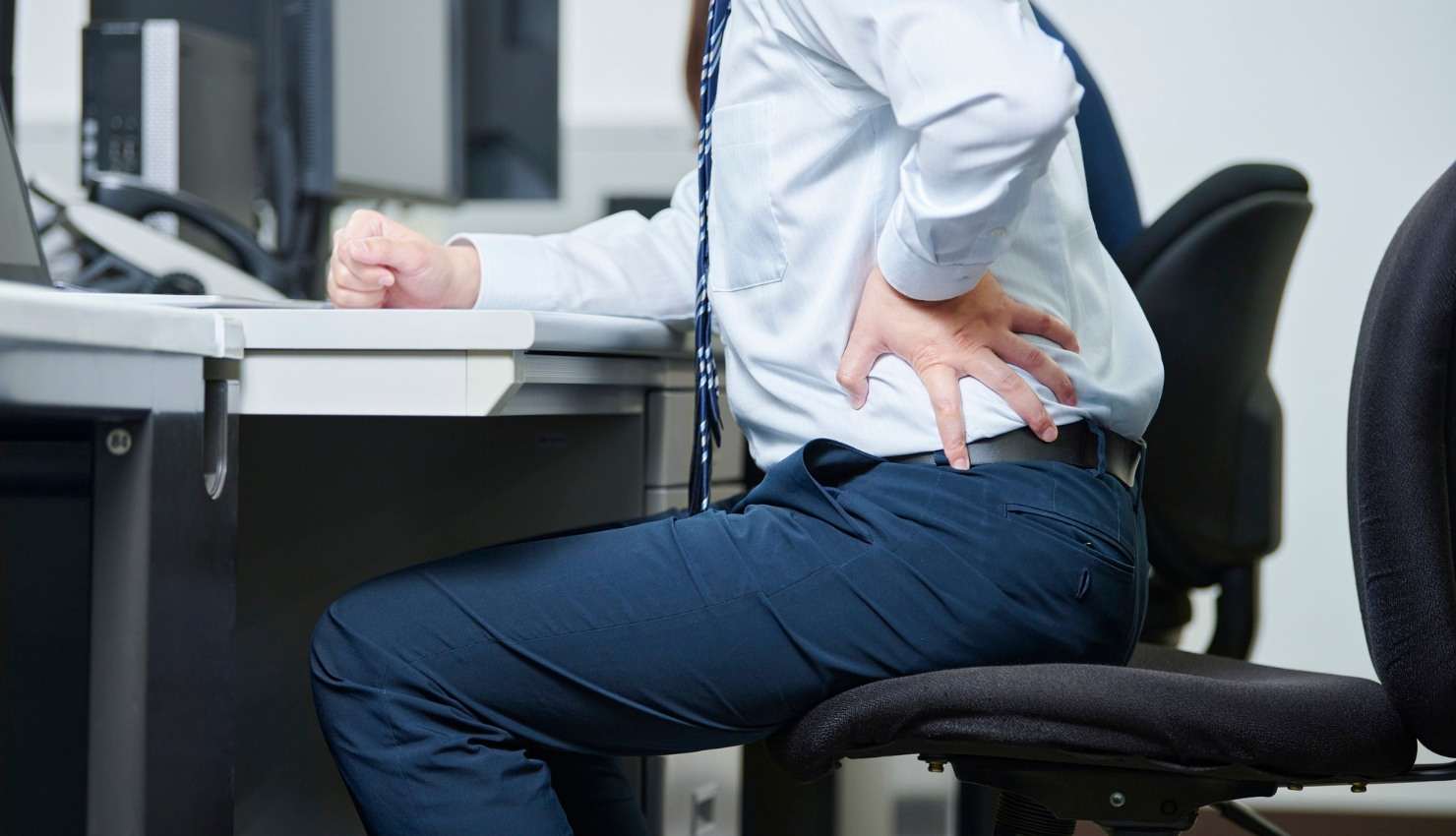
Set Up an Ergonomic Workstation
Comfort starts with your environment. A physiotherapist can help you tailor your workspace to suit your body:
Chair Support: Choose a seat with lumbar support or use a small pillow to maintain the natural curve of your spine.
Screen Height: Your monitor should be at eye level to avoid neck strain.
Keyboard and Mouse: Keep them close to your body at elbow height to avoid overreaching and shoulder tension.
2. Maintain Good Posture
Sitting in one position too long can cause stiffness and poor circulation. Physiotherapy teaches you how to:
Sit upright with feet flat and knees at hip level
Align ears over shoulders to avoid forward head posture
Keep shoulders relaxed and avoid slouching or rounding the back
3. Incorporate Micro-Movements
Small, frequent movements are essential to reduce joint and muscle fatigue:
Stand and stretch every 3060 minutes
Try shoulder rolls, neck stretches, or back extensions
Use gentle physiotherapy-approved exercises like seated twists or spinal rotations to keep joints mobile
4. Try Physiotherapy-Based Stretches
Here are a few gentle stretches to include in your daily routine:
Neck stretches: Tilt your head side to side to release tension
Seated hamstring stretch: Helps prevent lower back tightness
Thoracic spine rotation: Supports upper back mobility and posture
A physiotherapist can tailor a daily stretching plan based on your unique needs.
5. Build Strength with Targeted Exercises
Strengthening weak musclesespecially your core, glutes, and upper backcan help maintain comfort and prevent injury.
Use bodyweight exercises like planks, bridges, and bird-dogs
Focus on muscle balance to support posture and joint function
A physiotherapist can guide you in choosing the right level of intensity
6. Use Heat, Cold, or Massage for Relief
If you feel discomfort or tightness during the day, physiotherapists often recommend:
Heat packs for muscle tension
Cold packs for inflammation
Self-massage tools like foam rollers or massage balls for sore areas
7. Schedule a Virtual Physiotherapy Check-In
Many clinics now offer telehealth physiotherapy sessions, where a therapist can assess your posture, pain, and movement in real-timeright from your home. Youll get personalized advice, exercises, and workstation tweaks to improve comfort and prevent long-term issues.