How to Stay Injury-Free as a Dancer explores targeted strategies for recovery. Discover new paths to mobility, healing, and personalized care.

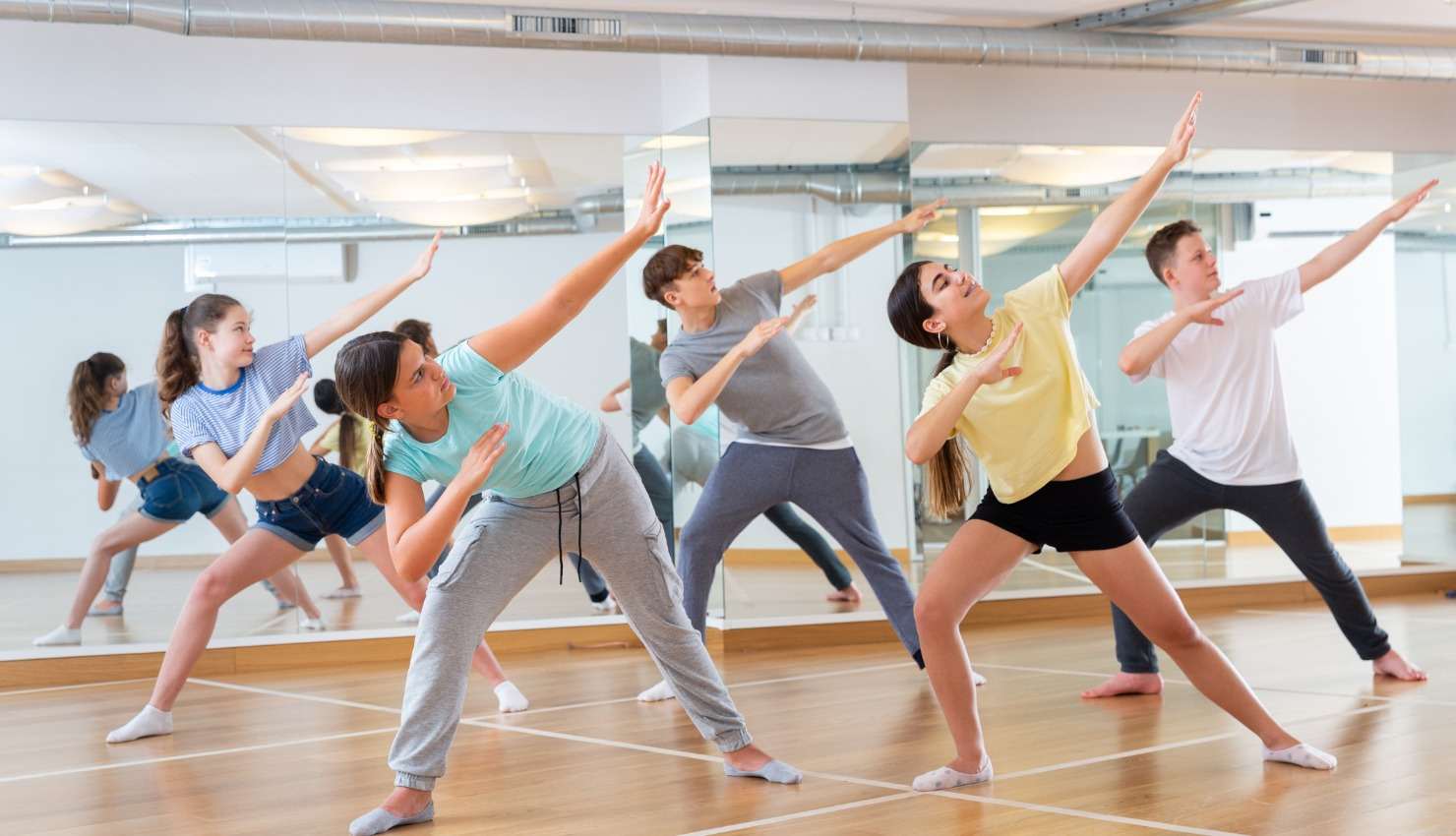
Dancing is a beautiful art form that requires flexibility, strength, and precision. Whether you’re a professional dancer or just enjoy dancing for fun, maintaining your bodys health is crucial to avoid injuries and perform at your best. With the constant strain that dance places on your muscles and joints, the risk of injury is higher than in many other physical activities. Fortunately, physiotherapy offers an effective way to prevent injury and enhance your overall performance. In this blog, well explore how physiotherapy can help dancers stay injury-free and maintain peak physical condition.
The Importance of Injury Prevention in Dance
Injury prevention is essential for any dancer, as injuries can sideline a dancer for weeks or even months. Dancers are prone to overuse injuries, sprains, strains, and stress fractures due to the repetitive nature of many dance movements. Some of the most common injuries in dance include:
Ankle Sprains: Often caused by sudden shifts in weight or landing incorrectly after a jump.
Knee Injuries: Such as patellar tendinitis or tears in the ligaments due to excessive rotation or twisting movements.
Hip Injuries: Dancers are frequently susceptible to hip flexor strains and other injuries due to the extensive use of their legs in wide ranges of motion.
Back Pain: Caused by poor posture, improper technique, or overextension.
Foot Injuries: Including plantar fasciitis, stress fractures, or metatarsal pain from constant pounding on hard surfaces.
Dancers who perform high-intensity routines or work on challenging choreography are particularly vulnerable. Therefore, integrating physiotherapy into your routine can help you prevent these injuries and ensure that your body is prepared to handle the demands of dance.
Physiotherapy: A Powerful Tool for Injury Prevention
Physiotherapy is not just for recovery; it is also an essential tool for prevention. A physiotherapist can guide you in strengthening the muscles that support your joints, improve flexibility, and correct posture and movement patterns to avoid unnecessary strain. Here are some physiotherapy techniques and tips that can help you stay injury-free as a dancer:
1. Muscle Strengthening Exercises
Building strength in the muscles most used in dance is vital for injury prevention. Physiotherapists can create a personalized strength-building program that targets key muscle groups such as the core, legs, and arms. These exercises help improve balance, coordination, and stamina, which are essential for dancers. For example, strengthening the glutes and hip muscles can help prevent hip injuries, while strengthening the core muscles can improve posture and reduce the risk of back pain.
2. Stretching and Flexibility Training
Flexibility is crucial in dance, but over-stretching or improper stretching can also lead to injuries. A physiotherapist can teach you the best stretching techniques to improve flexibility safely. They will also help you develop a routine that targets the specific muscles you use most in dance, such as the hamstrings, calves, and hip flexors.
3. Posture Correction
Good posture is key to injury prevention. Poor posture can lead to muscle imbalances, excessive strain, and pain, especially in the lower back, hips, and knees. Physiotherapists are trained to assess your posture and recommend corrective exercises to help maintain proper alignment during both practice and performance. Regular physiotherapy sessions can help you improve your body mechanics and avoid postural imbalances that may cause injuries over time.
4. Biomechanical Assessments
One of the primary roles of physiotherapy in injury prevention is identifying faulty movement patterns that may contribute to injury. A physiotherapist can conduct a thorough biomechanical assessment to analyze your movement, technique, and posture. They will look for any asymmetries or imbalances that could lead to overuse injuries. Once identified, they will provide strategies to correct these issues and improve your movement efficiency, which reduces the risk of strain.
5. Joint Mobility and Alignment
Maintaining good joint mobility is essential for dancers. Restricted joint motion can lead to compensation by other muscles, which can increase the risk of injury. Physiotherapists use manual therapy techniques to improve joint mobility and alignment, particularly in areas like the hips, knees, and ankles. By ensuring that your joints move smoothly and freely, you can reduce the strain on your muscles and tendons during dance movements.
6. Prehabilitation Programs
A proactive approach to injury prevention is through prehabilitation, a term used to describe exercises and activities designed to prevent injury before it occurs. Physiotherapists can design prehabilitation programs tailored to your dance style, focusing on areas prone to injury. These programs typically include strengthening exercises, stretching, and posture correction to prepare the body for the physical demands of dance.
When to Seek Physiotherapy
Even though physiotherapy is a preventive measure, its important to understand when to seek professional help. If you notice any pain, discomfort, or limitation in movement, its best to consult with a physiotherapist before the issue becomes more severe. Early intervention can help prevent the development of chronic injuries and get you back to dancing faster.
If you’re experiencing any of the following, its time to see a physiotherapist:
Persistent pain or discomfort during or after dance practice.
Difficulty with balance, coordination, or movement execution.
Stiffness or decreased range of motion in any joint or muscle.
Swelling, bruising, or tenderness in the muscles, joints, or bones.
Physiotherapys Role in Enhancing Performance
While injury prevention is the primary focus, physiotherapy can also help improve overall performance. Physiotherapists can assist dancers in enhancing their technique, mobility, and strength. By ensuring that your body is functioning optimally, physiotherapy can help you dance better and perform at your highest potential.
Conclusion
As a dancer, taking care of your body should always be a priority, and physiotherapy is an invaluable tool in achieving this. Regular physiotherapy treatments can prevent injuries, improve flexibility, correct posture, and increase strength. By integrating physiotherapy into your dance routine, youll be better equipped to handle the physical demands of dance and avoid the risk of injury. Whether you’re a professional dancer or someone who enjoys dancing for fun, physiotherapy will help keep your body in top shape and ready for any performance or rehearsal.
For dancers in Canada, YourFormSUX offers specialized physiotherapy services to help you stay injury-free and perform your best. Take the first step towards maintaining your health and enhancing your dance performance with expert physiotherapy care.