How to Stay Injury-Free During Long Dance Rehearsals explores targeted strategies for recovery. Discover new paths to mobility, healing, and personalized care.

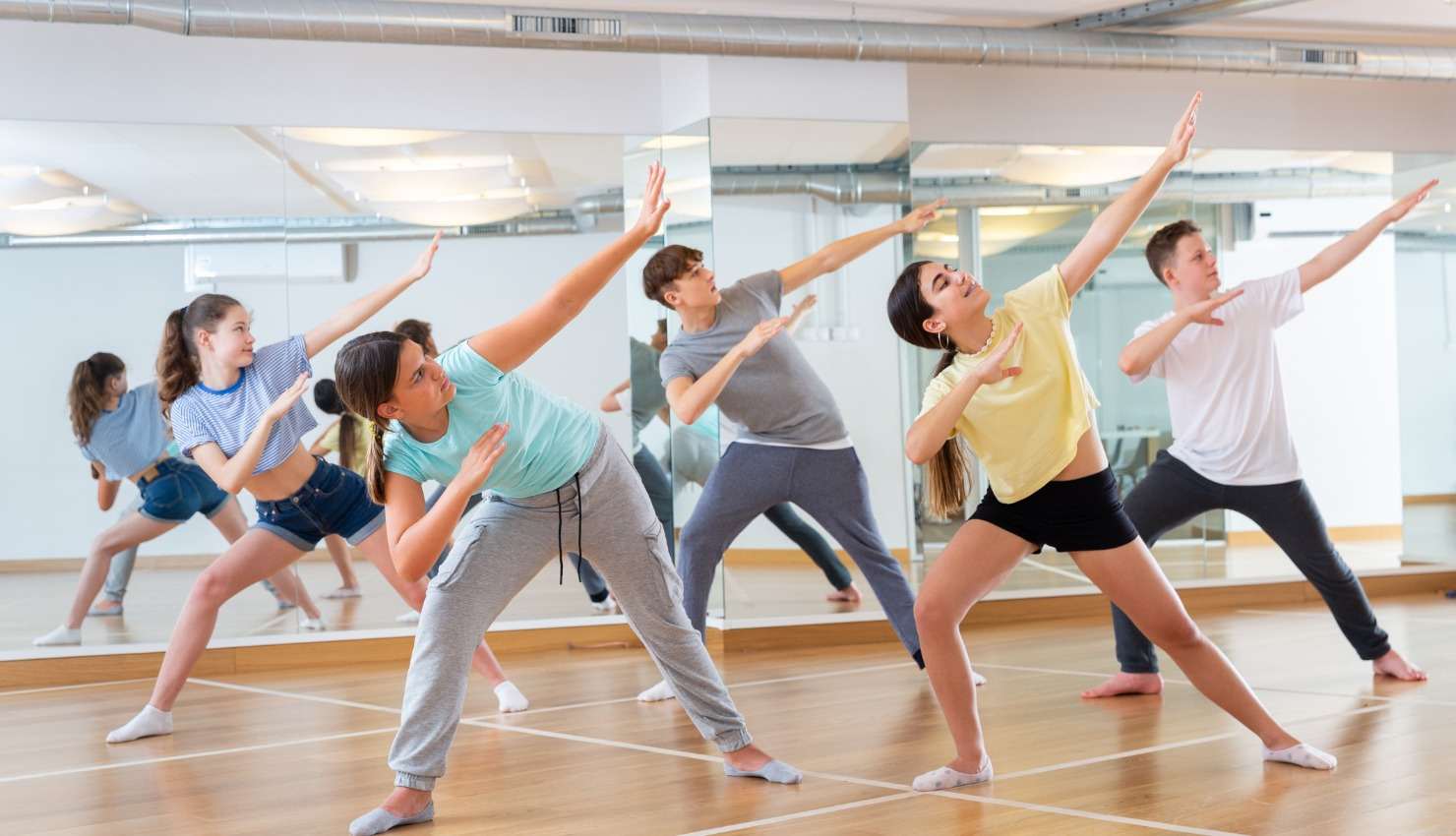
Long rehearsals are a reality for dancersespecially before performances, competitions, or auditions. While these intense sessions build stamina and polish choreography, they also increase the risk of fatigue-related injuries, overuse strain, and technical breakdowns.
The good news? With a few smart strategiesmany of which are supported by physiotherapy principlesyou can stay strong, sharp, and injury-free during even the longest rehearsals.
????? 1. Warm Up Effectively (and Specifically)
A rushed or passive warm-up isnt enough. Your body needs time to prepare for hours of high-level movement.
? Tips:
Spend at least 1520 minutes warming up before dancing.
Use dynamic movements like leg swings, shoulder rolls, and core activations.
Activate key muscle groups: glutes, calves, inner thighs, and deep core.
?? Why it matters: A proper warm-up increases blood flow, wakes up stabilizing muscles, and reduces the risk of strains or joint irritation.
?? 2. Take Micro-Breaks and Move Mindfully
Long rehearsals often involve stop-and-start sequences, which can cause tension to build or certain muscles to fatigue from static holds.
? Tips:
Take brief standing or walking breaks during pauses.
Gently mobilize the spine, ankles, and hips between sets.
Avoid sinking into passive stretches during restthey can cause instability when you dance again.
?? Why it matters: Movement maintains circulation and joint fluidity, reducing stiffness and cramping.
????? 3. Cross-Train for Endurance and Support
Weak stabilizers fatigue faster, which leads to compensations and technical breakdown late in rehearsal.
? Tips:
Incorporate core strengthening, glute work, and balance training outside of rehearsal.
Focus on eccentric strength (like slow, controlled pliés or reverse lunges).
Use resistance bands or physiotherapy-guided exercises for joint support.
?? Why it matters: Strong support muscles reduce joint loading and prevent late-session injuries.
?? 4. Monitor Pain, Not Just Soreness
Its normal to feel tired after a long rehearsal. Its not normal to feel sharp, localized painespecially in areas like the hips, knees, or ankles.
? Tips:
Track pain levelsanything that gets worse with repetition should be flagged.
Dont push through sharp, shooting, or burning sensations.
Speak to a physiotherapist early if discomfort persists after rest.
?? Why it matters: Catching an overuse injury early can prevent a stress fracture, tendonitis, or worse.
?? 5. Stay Hydrated and Properly Fueled
Dehydration and energy depletion are major contributors to fatigue-related injuries.
? Tips:
Bring water and electrolyte-rich fluids to every rehearsal.
Eat a light, carb-protein balanced snack before and after rehearsal.
Replenish with anti-inflammatory foods like berries, nuts, leafy greens, and omega-3s.
?? Why it matters: Hydrated, nourished muscles recover faster and cramp less.
??? 6. Prioritize Recovery After Rehearsal
Your body rebuilds and restores during rest, not during repetition.
? Tips:
Cool down with gentle movement and diaphragmatic breathing.
Use foam rolling, compression garments, or gentle stretching post-rehearsal.
Get at least 79 hours of sleep for full muscle repair.
?? Why it matters: Skipping recovery sets you up for fatigue and injury the next day.
?? 7. Stay Mentally Attuned to Your Body
Long rehearsals can dull your body awareness, making it easier to move sloppily or repeat poor patterns.
? Tips:
Check in with your alignment throughout rehearsal (e.g., core engaged, shoulders down, knees tracking).
Use mirrors or video for real-time technique corrections.
Stay mentally present to avoid unnecessary risks or falls.
?? Why it matters: Sharp mental focus maintains clean technique and protects joints under fatigue.
? Summary: Injury-Prevention Checklist for Dancers
Prevention Tip Why It Helps
Dynamic warm-up Activates muscles and reduces joint strain
Regular micro-breaks Keeps the body mobile and energized
Cross-training Builds endurance and joint stability
Pain monitoring Prevents chronic injuries from forming
Hydration & nutrition Fuels sustained performance
Recovery practices Speeds up tissue repair and reduces soreness
Mindful technique Maintains safe movement under fatigue