Prioritize Daily Movement (Even in Small Bouts) Sitting too long increases the risk of back pain, heart issues, and muscle stiffness. Combat this with consistent movement.

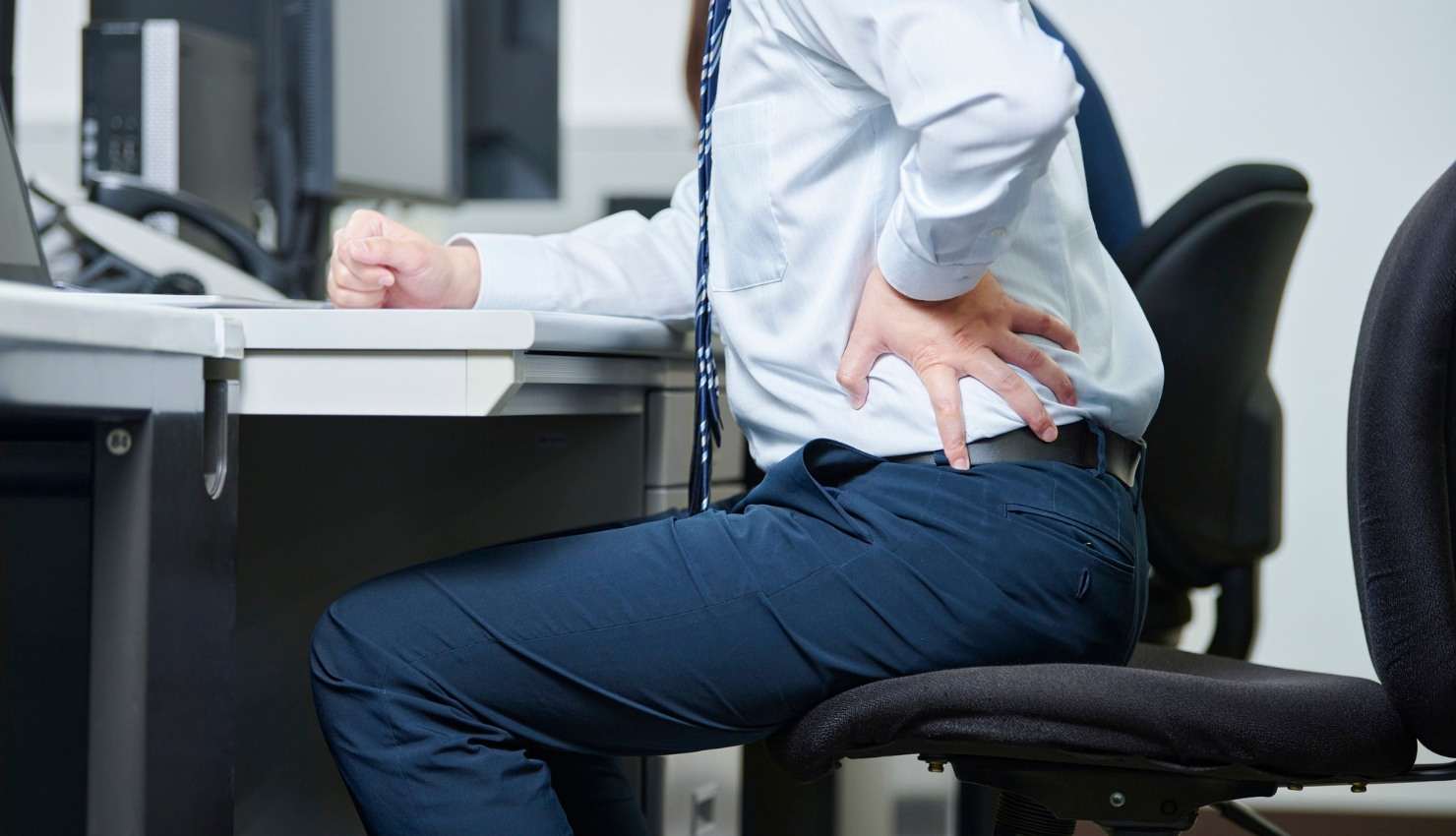
Prioritize Daily Movement (Even in Small Bouts)
Sitting too long increases the risk of back pain, heart issues, and muscle stiffness. Combat this with consistent movement.
?? Try:
The 30-30 Rule: Every 30 minutes, stand or move for 30 seconds
Walk-and-talk meetings
A standing desk or sit-stand converter
510 minute movement breaks: stretches, squats, or brisk walks
Motion is lotionmovement keeps your joints and muscles healthy.
?? 2. Set Up an Ergonomic Workstation
Poor desk posture leads to neck strain, carpal tunnel, and back issues.
?? Ergonomic Tips:
Screen: Top at eye level, arms length away
Chair: Hips and knees at 90°, feet flat
Keyboard & Mouse: At elbow height, wrists neutral
Use a lumbar cushion to support lower back
? Bonus: Try a footrest, external keyboard, and monitor stand if needed.
????? 3. Stretch Throughout the Day
Stretching keeps muscles flexible and improves circulation.
?? Key Stretches:
Neck rolls and chin tucks (counteracts forward head posture)
Shoulder rolls and chest openers (relieve upper body tension)
Spinal twists and hip flexor stretches (target sitting stiffness)
Wrist and forearm stretches (for typing strain)
?? Set stretch reminders every 12 hours.
?? 4. Eat Balanced, Energizing Meals
Nutrition impacts your energy, focus, and pain levels.
?? Healthy Habits:
Eat real, whole foods: fruits, veggies, lean protein, healthy fats
Avoid ultra-processed snacks and sugary drinks
Stay hydrated: aim for 68 glasses of water/day
Prep meals ahead to avoid last-minute junk food
? Anti-inflammatory foods (like berries, salmon, turmeric, leafy greens) are especially helpful for those with joint pain or chronic inflammation.
?? 5. Prioritize Sleep and Recovery
Sleep is essential for physical and mental restoration.
?? Tips:
Aim for 79 hours/night
Shut screens off 3060 min before bed
Keep a consistent bedtime routine
Stretch or foam roll in the evening to signal wind-down
?? 6. Manage Stress to Protect Physical Health
Stress increases muscle tension, raises inflammation, and disrupts sleep.
?? Try:
Deep breathing or box breathing (4-4-4-4)
Mindfulness breaks between tasks
Journaling or gratitude practice
Short meditation or yoga sessions
? Even 5 minutes of calm can reset your nervous system.
?? 7. Make Exercise Non-Negotiable (But Flexible)
Even short bursts of physical activity support overall health.
?? Options for Remote Workers:
10-minute home workouts (bodyweight circuits, yoga)
Virtual fitness classes
Walking during calls or podcasts
Resistance bands for quick strength training
? Aim for at least 150 minutes of moderate activity per week.
?? Daily Healthy Work-from-Home Routine (Sample)
Time Habit
7:30 AM Morning stretch + water + light breakfast
9:00 AM Start work with ergonomic check
10:30 AM Movement/stretch break
12:30 PM Healthy lunch + short walk
3:00 PM Hydration + eye and wrist break
5:30 PM End work + quick home workout
9:30 PM Wind-down stretch + sleep prep
?? The Bottom Line
You dont need a gym or a perfect office to stay healthyjust:
Consistent movement
Smart posture habits
Nourishing meals
Prioritized sleep and stress care
These small steps, done daily, add up to big results over time.