


Your core includes more than just your absit also consists of:

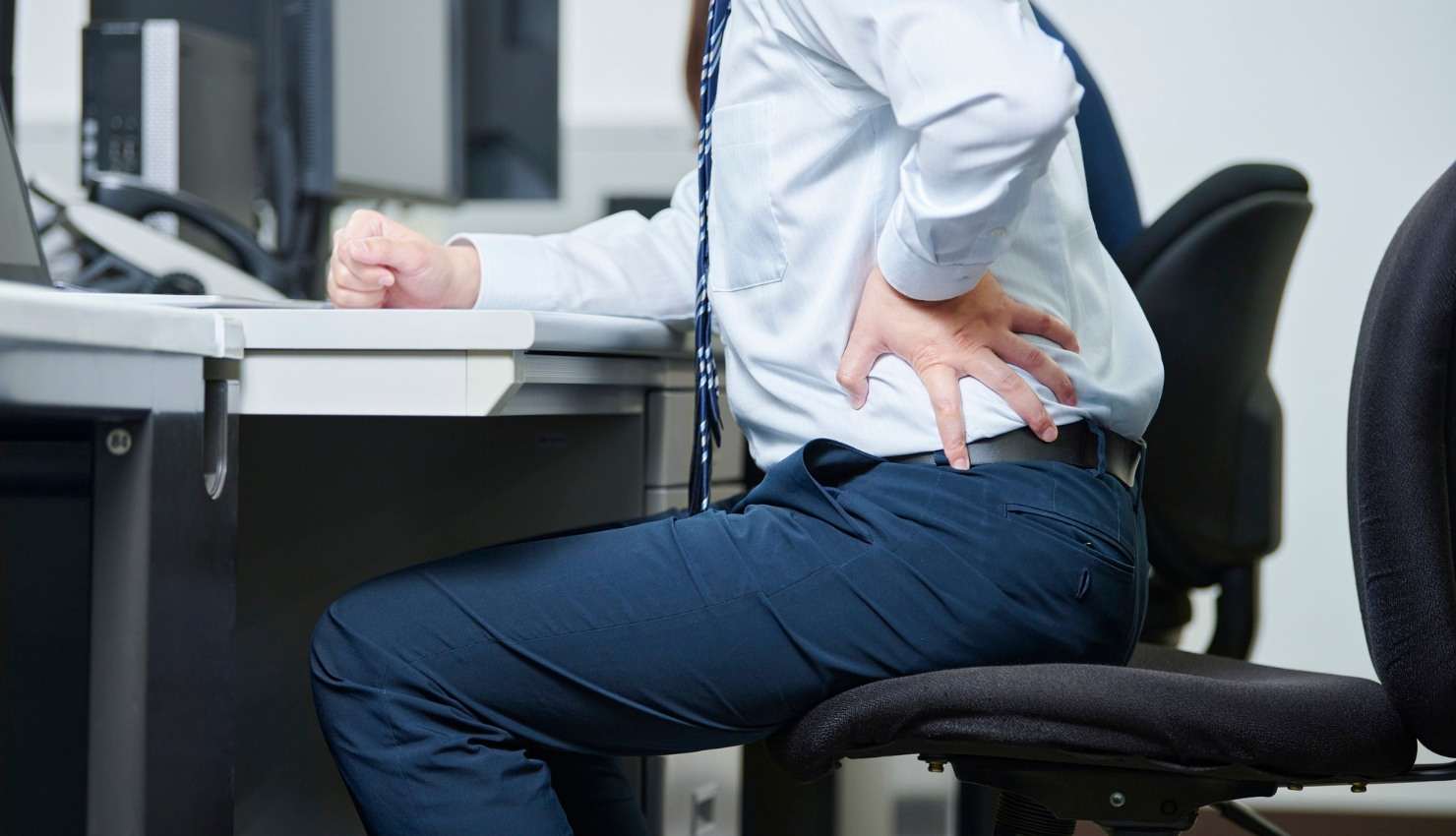
Your core includes more than just your absit also consists of:
Deep abdominal muscles (like the transverse abdominis)
Obliques (sides of the torso)
Pelvic floor muscles
Back extensors (like erector spinae)
Diaphragm
A strong and balanced core:
? Helps keep your spine in a neutral position
? Reduces strain on your neck, shoulders, and hips
? Improves sitting and standing endurance
? Minimizes risk of developing chronic back pain
????? Core-Strengthening Exercises You Can Do at Home
You dont need a gymjust a few feet of space, a mat or towel, and consistency.
?? 1. Seated Pelvic Tilts (Beginner-Friendly)
Sit tall at your desk chair
Gently tilt your pelvis forward and backward
Engage your lower abs as you rock your hips slowly
Why: Builds awareness of spinal positioning and activates deep stabilizers.
?? 2. Dead Bug (Deep Core Stability)
Lie on your back with arms and legs in the air
Slowly lower opposite arm and leg without letting your back arch
Keep your core tight throughout
Why: Builds core coordination and improves back support.
?? 3. Glute Bridge
Lie on your back with knees bent, feet flat
Lift your hips while squeezing your glutes, hold 35 seconds, then lower
Why: Strengthens glutes and deep core while countering effects of sitting.
?? 4. Bird Dog
Start in an all-fours position
Extend opposite arm and leg straight, then switch sides
Keep hips level and core engaged
Why: Builds balance, posture control, and spinal stability.
?? 5. Plank Variations (Front and Side)
Hold a forearm or straight-arm plank
Keep a straight line from head to heels
Progress with side planks or by lifting one arm/leg
Why: Strengthens full core and postural endurance muscles.
?? How to Incorporate Core Work Into Your Workday
You dont need a full workout sessionjust 510 minutes a day can make a difference.
?? Example Routine (5 Minutes, No Equipment):
Exercise Duration
Seated Pelvic Tilts 1 min
Glute Bridges 1 min
Bird Dogs 1 min
Dead Bugs 1 min
Forearm Plank 30 sec + rest
Repeat 12x Optional
?? Additional Tips to Support Core Health While Working
Sit upright, not slouched, with feet flat and hips slightly above knees
Use a lumbar support or rolled towel to maintain spinal curve
Engage your core gently when typing or standing
Take posture breaks every 3045 minutes to re-activate core muscles
Consider sitting on a stability ball for short periods to challenge balance
?? Final Takeaways
? A strong core = a strong spine
? Just a few daily minutes of targeted movement can improve posture
? Core work helps reduce back strain and increases energy levels
? Pair exercises with good workstation ergonomics for best results

