Pregnancy and childbirth are life-changing experiences that place incredible demands on the bodyespecially the pelvic floor. These important muscles support the uterus, bladder, and bowel, and play a critical role in posture, stability, and continence.

Pregnancy and childbirth are life-changing experiences that place incredible demands on the bodyespecially the pelvic floor. These important muscles support the uterus, bladder, and bowel, and play a critical role in posture, stability, and continence. Whether youre planning to conceive or have recently delivered, strengthening your pelvic floor before and after pregnancy is key to preventing complications and promoting faster recovery. Physiotherapy offers personalized, safe, and effective solutions to support your body through every stage of this journey.
Why Pelvic Floor Health Matters in Pregnancy
During pregnancy, the growing uterus places extra pressure on the pelvic floor. Hormonal changes also cause softening of ligaments and muscles, preparing the body for delivery but increasing the risk of dysfunction. As the pregnancy progresses, this pressure intensifies, and without proper muscular support, issues like urinary incontinence, pelvic organ prolapse, and lower back pain may arise.
Strengthening your pelvic floor before pregnancy can:
Improve pelvic stability and posture
Reduce your risk of pelvic pain and bladder issues
Support the weight of your growing baby
Prepare your body for a smoother labor and delivery
Aid in quicker postpartum recovery
Building pelvic awareness early on sets the foundation for a healthier and more comfortable pregnancy.
Physiotherapy for Pre-Pregnancy and Prenatal Support
Physiotherapy is a safe and evidence-based approach to pelvic floor health throughout the prenatal period. At YourFormSux, our pelvic floor physiotherapists design tailored programs that evolve with your changing body.
Heres how prenatal physiotherapy helps:
1. Functional Assessment: Your physiotherapist evaluates your pelvic floor, core strength, posture, breathing patterns, and movement habits. This assessment ensures your exercise plan is specific to your needs.
2. Pelvic Floor Activation Training: Youll learn how to properly contract and release your pelvic floor musclesessential for labor and bladder control. Many women mistakenly perform Kegels incorrectly; physiotherapy ensures you target the right muscles with the correct technique.
3. Postural and Core Support: As your center of gravity shifts, maintaining spinal alignment and abdominal support becomes critical. Physiotherapy includes exercises that stabilize your pelvis and reduce strain on your lower back.
4. Perineal Preparation: Gentle massage techniques and relaxation exercises may be introduced in later stages to reduce the risk of tearing during childbirth.
5. Education on Labour and Delivery Positions: Physiotherapists help you understand how positioning, breathing, and pelvic mechanics can make labor more efficient and less painful.
Strengthening the Pelvic Floor After Delivery
After childbirth, the pelvic floor muscles may be stretched, weakened, or injuredespecially following vaginal delivery or prolonged labor. Even with a cesarean birth, core and pelvic stability can be compromised due to pregnancys impact on abdominal muscles.
Postnatal physiotherapy focuses on:
Restoring pelvic floor strength and coordination
Reducing or eliminating urinary incontinence
Managing pelvic pain or heaviness
Reconnecting with deep core muscles
Supporting tissue healing, especially after tearing or episiotomy
Improving posture and alignment for baby-carrying and breastfeeding
You can usually begin postnatal physiotherapy as early as six weeks postpartum, or earlier with medical clearance.
Safe and Effective Pelvic Floor Exercises
While a physiotherapist will tailor your plan to your needs, some common exercises used before and after pregnancy include:
1. Diaphragmatic Breathing: Breathing into your lower ribs and abdomen engages the diaphragm and coordinates pelvic floor activation and relaxation.
2. Pelvic Floor Contractions (Modified Kegels): Squeeze and lift the pelvic floor gently, hold for a few seconds, and release fully. Avoid tightening the glutes or holding your breath.
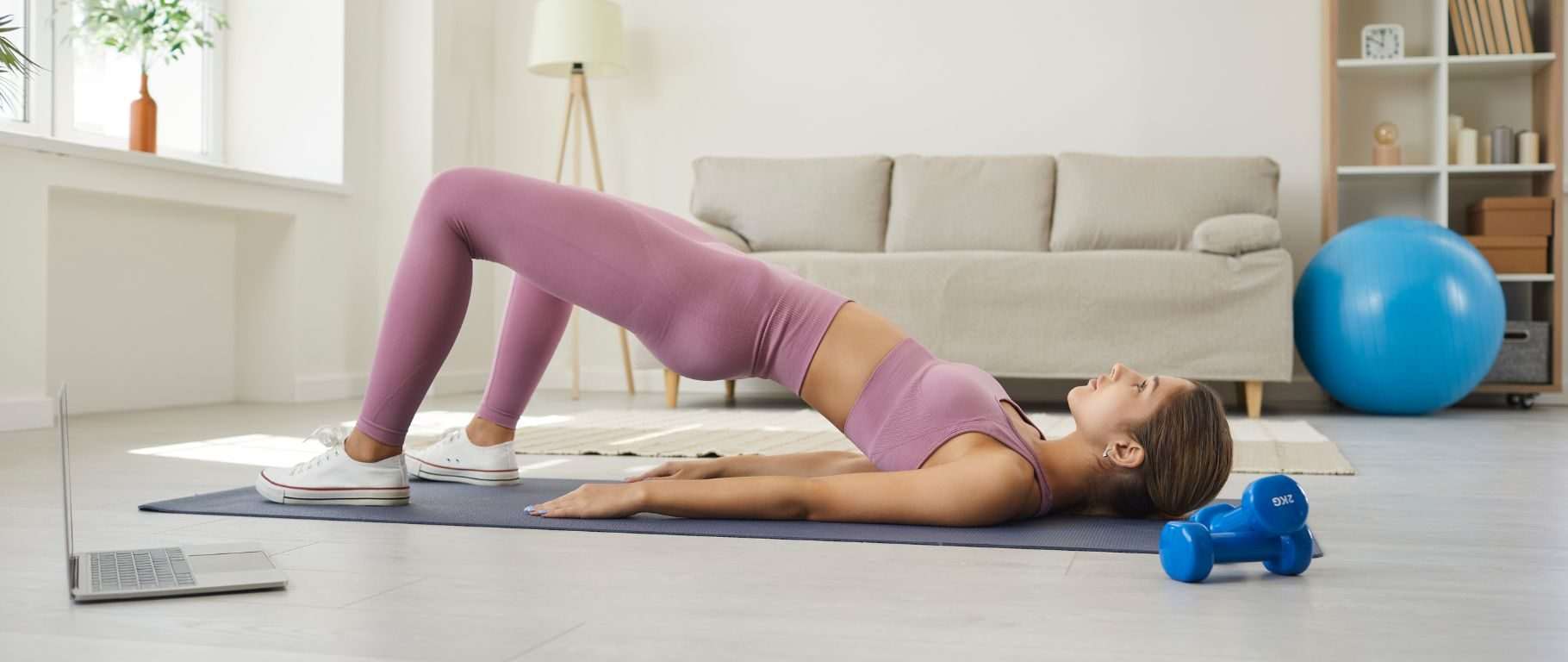
3. Core and Pelvic Stability Drills: Simple exercises like heel slides, bridges, and bird-dogs help retrain the bodys natural support systems without overloading healing tissues.
4. Postural Awareness and Mobility Work: Maintaining spinal alignment and mobility supports optimal pelvic positioning and reduces strain.
These exercises are always introduced based on your trimester, fitness level, and recovery timeline to avoid any undue stress.
When to Seek Pelvic Floor Physiotherapy
You should consider seeing a physiotherapist if you:
Are planning to become pregnant and want to prepare your body
Are already pregnant and want to prevent pain, leaking, or pelvic heaviness
Have recently delivered and want to recover pelvic and core function
Are experiencing pain, incontinence, or muscle weakness after childbirth
Want guidance on how to safely return to exercise postpartum
Physiotherapy is a proactive investment in your health and well-being during this critical time.
Final Thoughts
Pregnancy and childbirth test the limits of your bodybut with the right support, you can emerge stronger and more confident. Strengthening your pelvic floor before and after pregnancy through physiotherapy empowers you to move comfortably, reduce complications, and recover with purpose. At YourFormSux, our pelvic health specialists are here to guide you every step of the wayfrom conception through postpartum. You deserve care that honors both your motherhood and your strengthand physiotherapy delivers just that.