The journey of motherhood brings immense joy and fulfillment, yet it also places significant physical demands on a woman’s bodyespecially on her pelvic floor muscles. Strengthening the pelvic floor before pregnancy and actively restoring it after childbirth is essential for long-term pelvic health, comfort, and overall wellness.

The journey of motherhood brings immense joy and fulfillment, yet it also places significant physical demands on a woman’s bodyespecially on her pelvic floor muscles. Strengthening the pelvic floor before pregnancy and actively restoring it after childbirth is essential for long-term pelvic health, comfort, and overall wellness. In this blog, well explore why pelvic floor strength matters, discuss practical exercises and techniques recommended by pelvic health physiotherapists, and outline how to integrate these practices into your daily routine effectively.
The Importance of a Strong Pelvic Floor: Before, During, and After Pregnancy
The pelvic floor muscles support pelvic organs like the bladder, uterus, and rectum, playing a crucial role in bladder control, bowel function, sexual health, and core stability. Pregnancy and childbirth significantly strain these muscles, often leading to issues such as urinary incontinence, pelvic organ prolapse, and decreased sexual satisfaction.
Proactively strengthening your pelvic floor before pregnancy and systematically restoring these muscles after childbirth provides numerous benefits, including:
Reduced risk of urinary incontinence during pregnancy and postpartum.
Decreased likelihood of pelvic organ prolapse due to improved muscle strength and support.
Faster postpartum recovery, enhancing your overall comfort and well-being.
Improved core stability and posture, reducing lower back and pelvic pain.
Enhanced sexual function and satisfaction both during and after pregnancy.
How to Strengthen Your Pelvic Floor Before Pregnancy
Pre-pregnancy is an ideal time to build a strong pelvic foundation, significantly reducing risks of complications later on. Heres how you can strengthen your pelvic floor effectively before pregnancy:
Begin with Basic Kegel Exercises
Kegel exercises are foundational for pelvic floor strength. These exercises involve contracting and relaxing pelvic muscles regularly. Aim for consistency, gradually increasing both duration and intensity over time.
Contract your pelvic muscles as if trying to stop urine flow.
Hold the contraction for 5-10 seconds, then relax for an equal duration.
Perform 3 sets of 10 repetitions daily.
Core and Pelvic Floor Integration
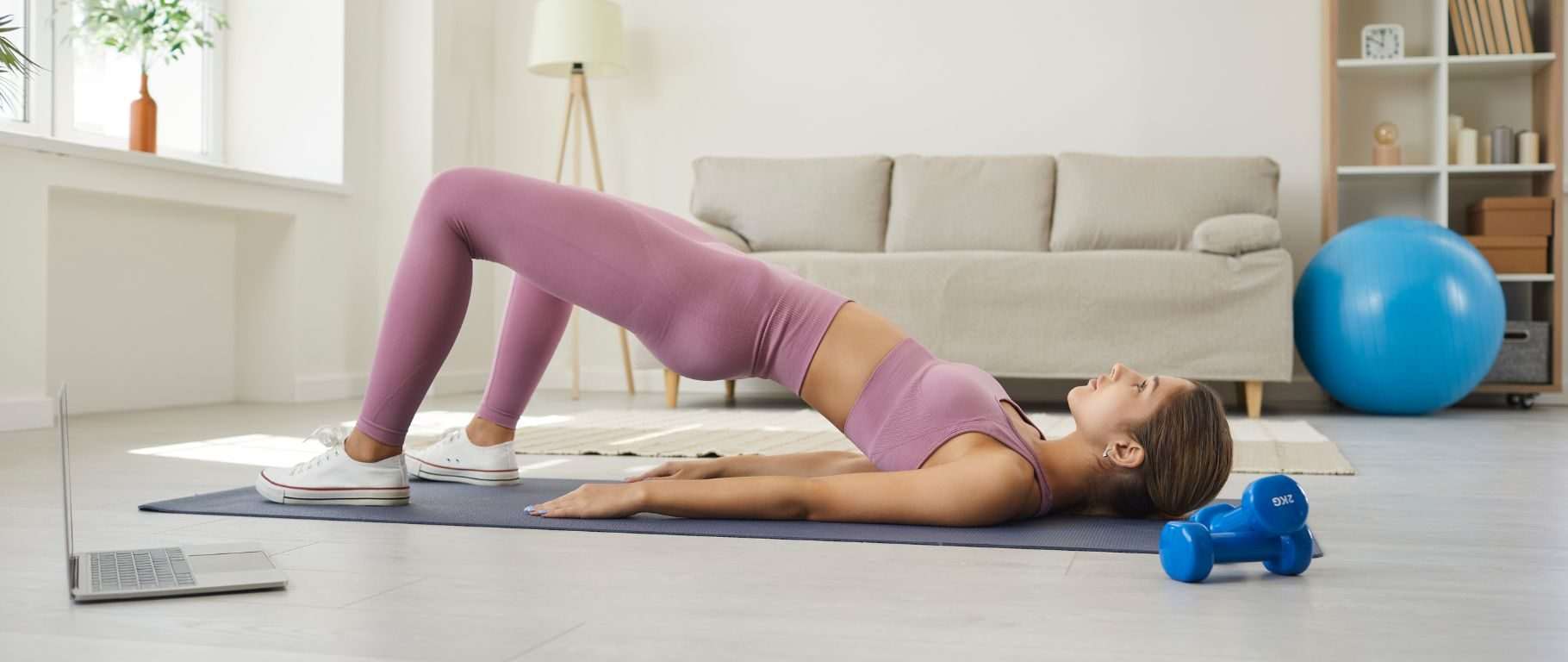
Incorporating exercises that engage both your pelvic floor and core muscles can amplify your strength significantly. Pilates, yoga, and targeted exercises like pelvic bridges, squats, and pelvic tilts improve muscle coordination and overall core stability.
Seek Guidance from a Pelvic Health Physiotherapist
Engaging a pelvic health physiotherapist before pregnancy offers personalized guidance, ensuring proper technique and optimizing your results. Physiotherapists provide tailored exercise programs, biofeedback training, and practical lifestyle advice for optimal pelvic health.
Strengthening Your Pelvic Floor During Pregnancy
Continuing pelvic exercises throughout pregnancy supports your body as it adapts to increasing weight and hormonal changes. Here are safe and effective strategies for maintaining pelvic strength during pregnancy:
Modified Pelvic Floor Exercises
As pregnancy progresses, adapt your pelvic floor exercises to your changing body. Reduce intensity but maintain consistency, focusing on gentle, controlled movements and muscle engagement.
Prenatal Yoga and Pilates
Prenatal yoga and Pilates classes often emphasize pelvic floor strengthening and flexibility. Regular participation helps maintain strength, improve circulation, and prepare your body for childbirth.
Mindful Breathing Techniques
Breathing exercises combined with pelvic muscle activation enhance pelvic floor function during pregnancy, promote relaxation, and prepare muscles effectively for labor.
Postpartum Pelvic Floor Strengthening: Your Recovery Roadmap
After childbirth, physiotherapy-guided pelvic floor strengthening significantly expedites recovery, reduces complications, and restores comfort. Heres how to approach postpartum pelvic floor rehabilitation effectively:
Begin with Gentle Exercises Early Postpartum
In the initial weeks postpartum, begin gentle pelvic floor exercises once cleared by your healthcare provider or physiotherapist. Focus on controlled, gentle contractions to slowly rebuild strength.
Perform short, gentle contractions (2-3 seconds), gradually increasing duration as strength returns.
Avoid overly intense exercises initially; prioritize quality over quantity.
Biofeedback for Enhanced Muscle Awareness
Pelvic physiotherapists frequently use biofeedback to help new mothers precisely identify and strengthen pelvic muscles. Biofeedback technology provides real-time guidance, significantly improving exercise effectiveness and ensuring optimal muscle recovery.
Incorporate Manual Therapy and Soft Tissue Release
Postpartum pelvic pain or muscle tension can benefit from manual therapy techniques like gentle myofascial release and soft tissue mobilization. Physiotherapists can help restore muscle balance, alleviate discomfort, and optimize your recovery.
Gradually Resume Core and Pelvic Stability Exercises
Gradually reintroduce exercises focused on pelvic and core stability, such as bridges, gentle abdominal strengthening, and modified planks. Integrating these exercises promotes coordinated muscle function, aiding overall pelvic floor restoration.
Practical Tips for Success: Making Pelvic Floor Exercises Part of Your Routine
Incorporating pelvic floor exercises into daily life need not be complicated:
Establish a routine: Schedule short daily sessions for consistency and effectiveness.
Combine with regular activities: Perform pelvic exercises during routine tasks like brushing your teeth, cooking, or watching television.
Set reminders: Use mobile alerts or visual cues to maintain consistency.
Recognizing When You Need Professional Help
Seek physiotherapy support if postpartum pelvic floor issues persist or intensify, including:
Continued urinary or bowel control issues.
Persistent pelvic pain or discomfort.
Symptoms indicating potential prolapse (e.g., pressure or bulging sensations).
Early professional intervention ensures timely management, facilitating optimal and efficient recovery.
Long-term Benefits of Pelvic Floor Strengthening
The long-term benefits of proactive pelvic floor strengthening before and after pregnancy include:
Ongoing pelvic health and comfort.
Reduced likelihood of future pelvic floor disorders.
Improved physical performance in everyday life.
Enhanced confidence and emotional well-being.
Conclusion: Invest in Your Pelvic Health for a Stronger, Healthier You
Pelvic floor strength profoundly influences your overall health and quality of life, particularly around pregnancy and childbirth. By proactively integrating pelvic floor exercises into your fitness routine, seeking professional guidance, and maintaining consistency, you empower yourself with robust pelvic health. Physiotherapy provides personalized support throughout your journey, optimizing your pelvic wellness and helping you enjoy the vibrant, healthy life you deserve.