Recovering from a C-section involves more than just wound care and general healing. Even though the pelvic floor is not directly involved in vaginal delivery during a cesarean birth, it still experiences strain during pregnancy and requires rehabilitation.

Recovering from a C-section involves more than just wound care and general healing. Even though the pelvic floor is not directly involved in vaginal delivery during a cesarean birth, it still experiences strain during pregnancy and requires rehabilitation. Many women are surprised to learn that pelvic floor physiotherapy after a C-section is just as crucial as it is after a vaginal delivery. Strengthening these muscles improves bladder control, core strength, sexual function, and long-term pelvic health.
Why the Pelvic Floor Still Matters Post-C-Section
During pregnancy, the growing uterus puts pressure on the pelvic floor. Hormonal changes like the rise in relaxin soften connective tissues, which can weaken the pelvic muscles over time. Add to that months of carrying extra weight and changes in posture, and the pelvic floor inevitably endures stress. A C-section does not eliminate the impact on these musclesit simply changes the birth process.
Pelvic floor dysfunction after a C-section can include symptoms like urinary leakage, pelvic heaviness, lower back pain, or a feeling of instability in the core. Thats where targeted physiotherapy comes in.
When to Start Pelvic Floor Strengthening
Always consult your healthcare provider before beginning pelvic exercises after surgery. Generally, gentle pelvic floor activation can begin as early as a few days post-op, with full strengthening routines introduced gradually over six to eight weeks, depending on the rate of healing.
Pelvic Floor Exercises After a C-Section
Basic Pelvic Floor Activation (Kegels)
Start with slow, controlled contractions. Gently squeeze the muscles you would use to stop urinating, hold for 35 seconds, and release. Aim for 10 repetitions, three times a day.
Deep Core Engagement (Transverse Abdominis Activation)
Strengthening the deep abdominal muscles provides stability and supports pelvic recovery. Try lying on your back with knees bent. Inhale to prepare, and as you exhale, gently draw your navel toward your spine without tilting your pelvis.
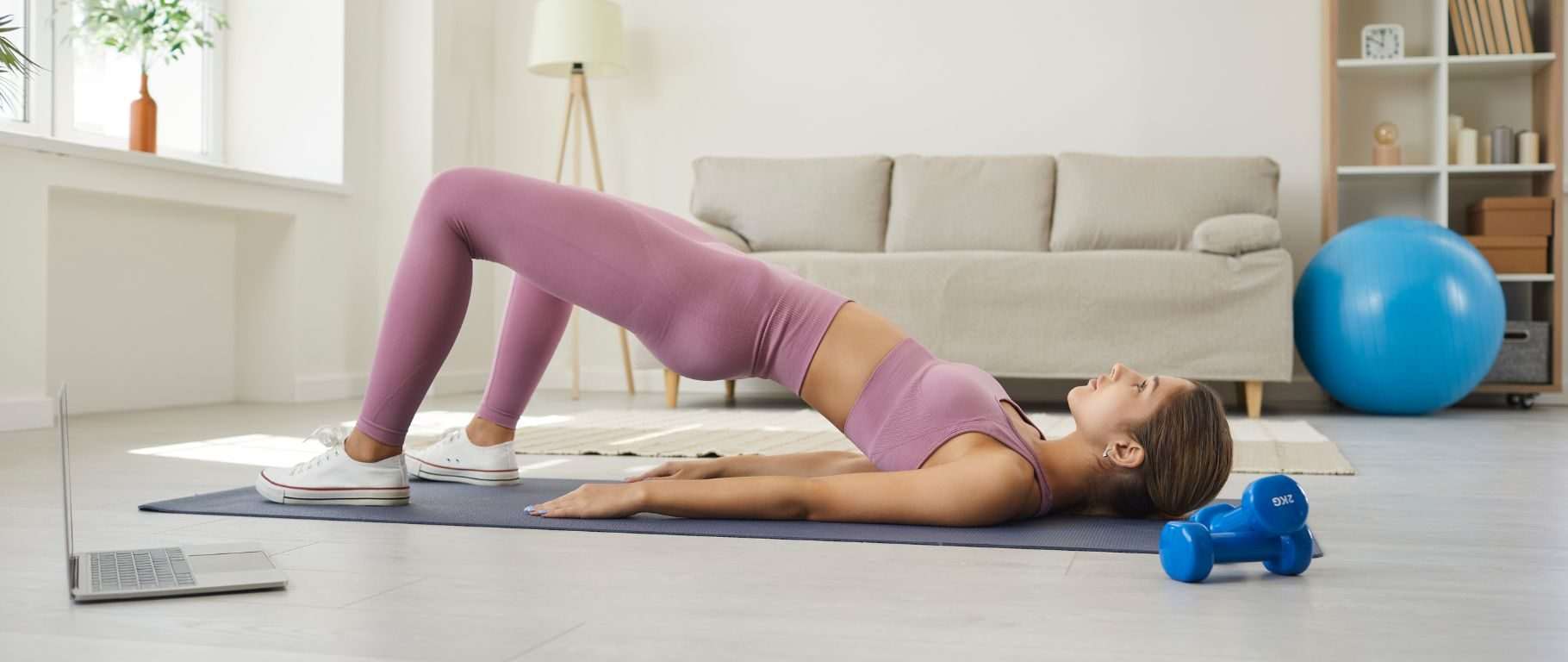
Bridge Pose with Pelvic Floor Contraction
Once cleared for more activity, add bridging to your routine. Lift your hips off the ground while contracting your pelvic floor muscles, then lower down slowly.
Pelvic Tilts
These help mobilize the lower spine and pelvis while encouraging gentle core and pelvic floor activation. Performed lying down, pelvic tilts can improve circulation and restore alignment.
Postural Realignment Exercises
Working on posture helps reduce unnecessary pressure on the pelvic floor. Focus on alignment of the spine, pelvis, and hips during daily tasks like sitting, standing, and breastfeeding.
Why Physiotherapy Is Essential
A physiotherapist trained in postnatal care can assess your pelvic floor strength and core function and build a personalized program that evolves with your healing. They can also help manage common post-C-section concerns like scar mobility, diastasis recti, and pelvic pain. Tailored care ensures you dont overdo it or use compensatory movements that hinder progress.
Long-Term Benefits of Pelvic Floor Recovery
Investing time in your pelvic health after a C-section pays off well into the future. Improved bladder control, reduced risk of prolapse, better posture, and enhanced sexual function are all outcomes of a consistent pelvic physiotherapy plan. More importantly, rebuilding core and pelvic stability creates a solid foundation for future pregnancies, daily mobility, and overall physical resilience.
Pelvic floor strengthening is not just a postpartum optionits a long-term strategy for health and wellness. After a C-section, it becomes a crucial part of reclaiming control over your body and preventing complications years down the road.