How to Support Healthy Hormonal Cycles with Physiotherapy explores targeted strategies for recovery. Discover new paths to mobility, healing, and personalized care.

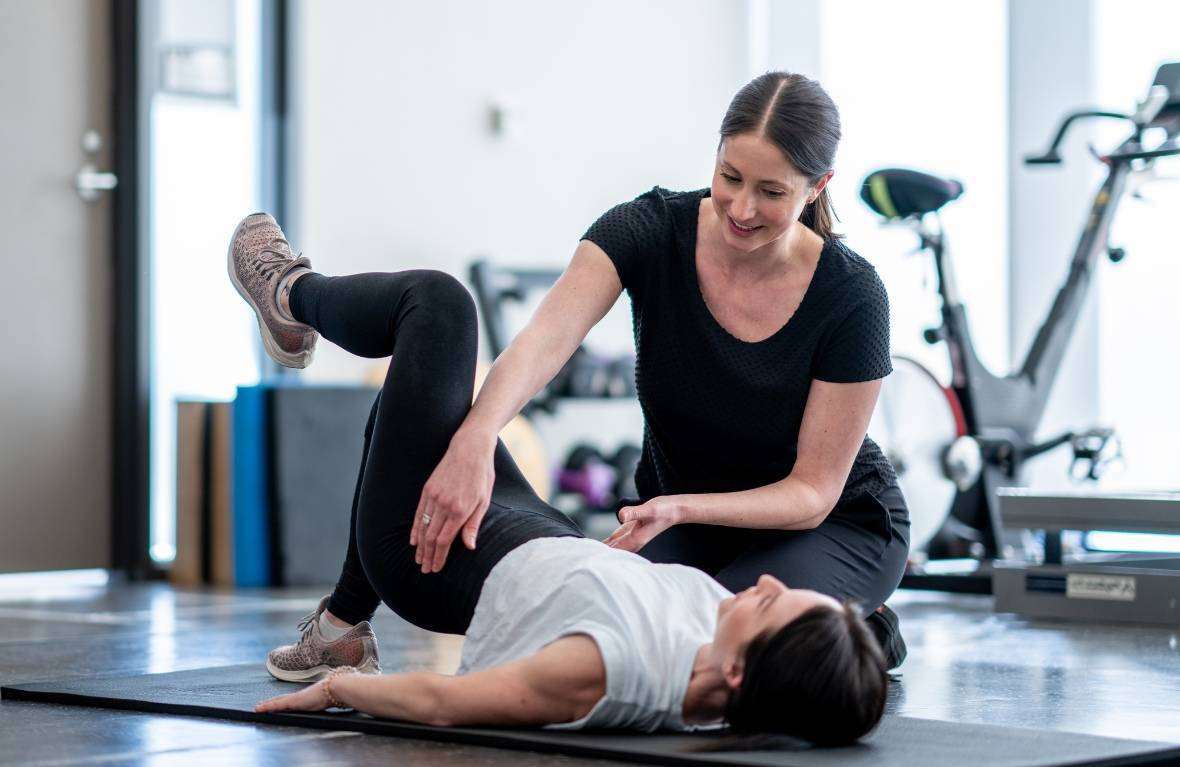
Maintaining healthy hormonal cycles is essential for overall well-being, reproductive health, energy levels, and mood stability. Hormonal imbalances or irregular cycles can lead to symptoms like fatigue, mood swings, infertility, and skin problems. While many factors influence hormonal healthincluding diet, stress, and geneticsphysiotherapy offers a natural and effective way to support and regulate hormonal cycles through movement, stress management, and body awareness.
Why Are Healthy Hormonal Cycles Important?
Your hormonal cycle governs key functions such as:
Menstrual regularity and fertility
Energy metabolism and weight management
Mood regulation and cognitive function
Skin health and inflammation control
Disruptions in the cycle can signal underlying issues like thyroid dysfunction, PCOS, or stress overload. Supporting hormonal health helps maintain balance and prevents long-term complications.
The Physiotherapy Approach to Hormonal Health
Physiotherapy improves hormonal cycles by focusing on physical and emotional factors that influence hormone production and balance:
Optimizing blood flow: Manual therapy and exercise increase circulation to endocrine organs, enhancing hormone delivery and waste removal.
Regulating the nervous system: Techniques like breathing exercises and relaxation promote parasympathetic activation, reducing cortisol and supporting hormone balance.
Strengthening muscles and joints: Exercise maintains musculoskeletal health, which is vital for metabolic and reproductive function.
Postural and movement education: Correct posture improves organ function and reduces physical stress that can disrupt hormones.
How Physiotherapy Supports Different Hormonal Conditions
Irregular periods: Physiotherapys stress reduction and exercise improve cycle regularity.
PCOS: Targeted exercise enhances insulin sensitivity and reduces androgen dominance.
Perimenopause and menopause: Strength training and relaxation help balance fluctuating hormones and manage symptoms.
Thyroid issues: Movement therapy supports metabolism and energy regulation.
Cycle-Specific Physiotherapy Tips
Adapting physiotherapy routines according to your cycle can maximize benefits:
Follicular phase: Emphasize strength training and cardiovascular exercise when energy is high.
Ovulation: Incorporate balance and high-intensity training to capitalize on peak hormone levels.
Luteal phase: Focus on moderate activity, stretching, and relaxation to manage PMS symptoms.
Menstrual phase: Prioritize gentle movement, breathing, and pain relief techniques.
Lifestyle Practices to Complement Physiotherapy
Track your cycle to anticipate hormonal changes
Maintain a balanced diet rich in nutrients that support hormone production
Prioritize sleep and stress management
Stay hydrated and limit caffeine and alcohol intake
Avoid overtraining and listen to your bodys signals
Final Thoughts
Healthy hormonal cycles are foundational to feeling your best. Physiotherapy provides personalized, natural support to regulate and maintain these cycles through movement, stress relief, and body awareness. Whether youre facing irregular periods, PMS, or hormonal disorders, integrating physiotherapy into your routine can help you achieve balanced hormones and improved quality of life.