How to Support Your Body Through Menstrual Cycle Variations with Physiotherapy explores targeted strategies for recovery. Discover new paths to mobility, healing, and personalized care.

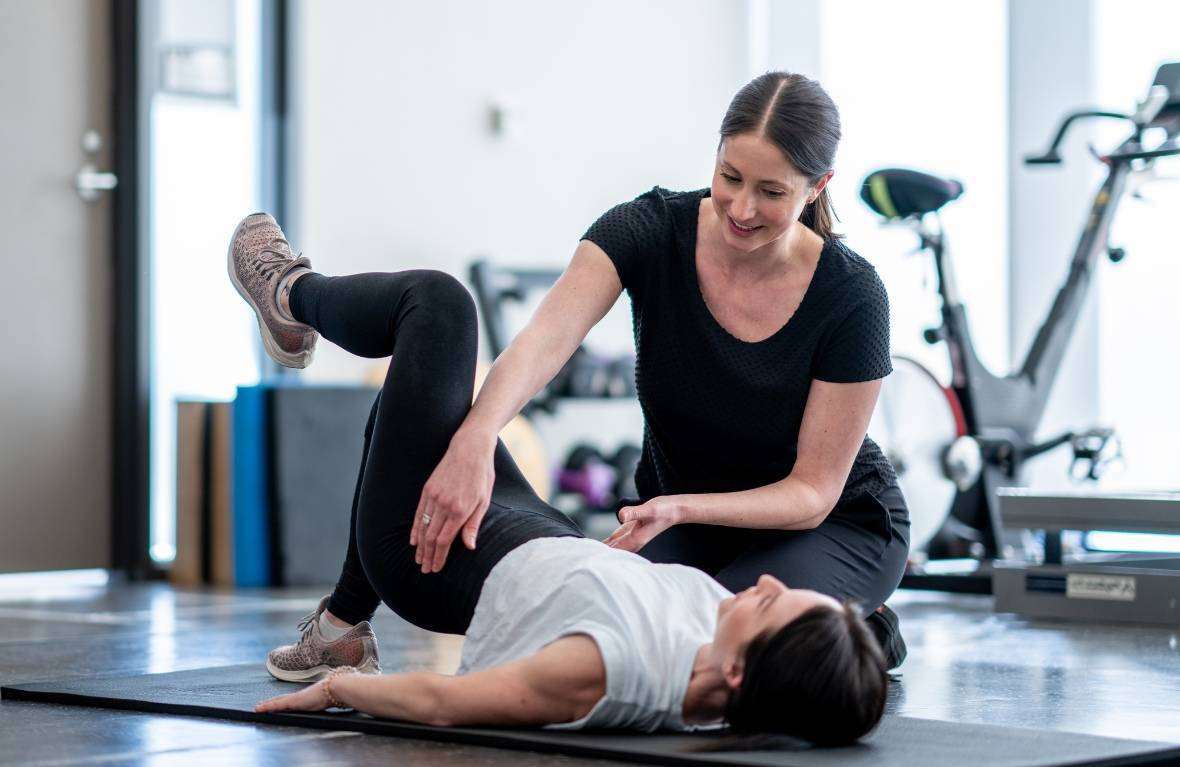
Menstrual cycles can bring a whirlwind of changesphysical, emotional, and hormonal. From cramps and fatigue to mood swings and bloating, the variations throughout the cycle impact many aspects of daily life. But did you know physiotherapy can be a powerful ally in managing these menstrual cycle variations? At YourFormsUX.com, we believe in holistic approaches to health, and physiotherapy is emerging as an effective way to support your body naturally during this time.
Understanding Menstrual Cycle Variations
First, lets break down what happens during the menstrual cycle. Typically, the cycle lasts around 28 days, divided into phases: the menstrual phase (period), the follicular phase, ovulation, and the luteal phase. Each phase causes different hormonal shifts, especially in estrogen and progesterone, which influence everything from your energy levels to how your muscles and joints feel.
These hormonal fluctuations can lead to common symptoms such as cramps, pelvic pain, lower back discomfort, headaches, fatigue, and even mood changes. For many women, these symptoms are more than just an inconveniencethey can disrupt work, exercise routines, and overall quality of life.
How Physiotherapy Supports Menstrual Health
Physiotherapy focuses on movement, strength, and pain management, all of which are essential during the menstrual cycle. Heres how physiotherapy can support your body through these variations:
Pain Relief and Muscle Relaxation
Physiotherapists use manual therapy techniques such as massage, myofascial release, and trigger point therapy to reduce muscle tension in the pelvic region, lower back, and abdomen. These methods help ease menstrual cramps and pelvic discomfort by improving blood flow and releasing tight muscles.
Pelvic Floor Strengthening and Balance
The pelvic floor muscles play a crucial role during menstruation. Imbalances or weakness here can worsen menstrual pain or cause urinary discomfort. Physiotherapy can assess and strengthen these muscles through tailored exercises, improving pelvic stability and reducing pain.
Postural Correction and Core Strength
Hormonal fluctuations can affect joint laxity and posture, especially in the lower back and hips. Physiotherapists guide you through posture corrections and core strengthening exercises to support your spine and pelvis, helping alleviate menstrual-related back pain.
Exercise Guidance and Activity Modification
During certain phases of your cycle, your energy and pain tolerance may fluctuate. Physiotherapists can help design personalized exercise plans that match your cycle, promoting safe physical activity without overexertion, and helping you maintain fitness and mood.
Education and Self-Care Strategies
A big part of physiotherapy is empowering you with knowledge about your body. Learning about how your menstrual cycle affects muscle function, pain, and fatigue means you can better manage symptoms with heat therapy, stretching, breathing exercises, and mindfulness techniques.
The Benefits of Physiotherapy for Menstrual Cycle Management
Physiotherapy doesnt just treat symptomsit enhances overall menstrual health by addressing root causes like muscle imbalances and poor posture. The benefits include:
Reduced menstrual cramps and pelvic pain
Improved pelvic floor function and bladder control
Enhanced posture and reduced back pain
Increased energy and better mood regulation
Personalized exercise and self-care plans that respect your cycle
Why Choose Physiotherapy Over Medication?
While over-the-counter painkillers are commonly used, they can sometimes mask symptoms without addressing underlying issues like muscle tightness or joint instability. Physiotherapy offers a natural, drug-free approach that empowers your body to heal and function optimally.
Plus, physiotherapy techniques can improve circulation and reduce inflammationtwo key factors that influence menstrual discomfort. For women looking to avoid medication or seeking complementary treatments, physiotherapy is an excellent choice.
When to Seek Physiotherapy for Menstrual Concerns
If your menstrual cycle causes severe pain, limits your daily activities, or leads to frequent mood disturbances, its time to consider physiotherapy. Women with conditions like endometriosis, pelvic floor dysfunction, or chronic pelvic pain especially benefit from specialized physiotherapy programs.
At YourFormsUX.com, we support you in finding the right physiotherapy professional who understands menstrual health and can tailor treatment plans to your unique needs.
Final Thoughts: Embrace Your Cycle with Physiotherapy
Supporting your body through menstrual cycle variations doesnt have to mean suffering in silence or relying solely on medication. Physiotherapy offers a compassionate, effective, and holistic way to manage menstrual symptoms, improve your pelvic health, and enhance your overall well-being.
Remember, your body is designed to cycle naturallyphysiotherapy simply helps you move through each phase with more ease and comfort. If youre ready to take control of your menstrual health, exploring physiotherapy is a smart and proactive step.