How to Sync Your Exercise Routine with Your Menstrual Cycle for Better Results explores targeted strategies for recovery. Discover new paths to mobility, healing, and personalized care.

If youve ever felt like your workouts dont always feel the samesome days youre energized and crushing it, while others youre dragging and struggling to finishtheres a good chance your menstrual cycle is playing a role. Womens bodies naturally go through hormonal fluctuations during the menstrual cycle, and syncing your exercise routine with these changes can help you get better results, feel more motivated, and avoid burnout or injury.
In this blog, well explore how you can align your fitness plan with your cycle phases to train smarter and more effectively.
Understanding Your Menstrual Cycles Impact on Exercise
Your menstrual cycle lasts about 28 days on average and is divided into four phases: menstrual, follicular, ovulation, and luteal. Each phase brings changes in hormone levelsprimarily estrogen and progesteronethat influence energy, strength, pain sensitivity, and recovery.
By adapting your workouts to these phases, you can maximize your bodys natural strengths and support areas that need more care.
The Four Phases and What They Mean for Your Workout
Menstrual Phase (Days 1-5): Rest and Recovery Focus
During menstruation, estrogen and progesterone are low, which may lead to fatigue or discomfort. Opt for low-impact activities like gentle yoga, walking, or stretching. Prioritize rest and listen to your bodyif you feel up to it, light cardio can improve mood and reduce cramps.
Follicular Phase (Days 6-14): Build Strength and Endurance
Estrogen levels rise, boosting energy, pain tolerance, and muscle repair capacity. This is a great time for strength training, HIIT, and endurance workouts. Your body is primed for challenging sessions and quicker recovery.
Ovulation (Around Day 14): Peak Performance Phase
At ovulation, estrogen peaks and testosterone rises slightly, enhancing power and strength. Push your limits with heavier weights or faster intervals. Just be mindful that joint laxity may increase injury risk, so focus on good form.
Luteal Phase (Days 15-28): Moderate Intensity and Recovery
Progesterone dominates, potentially causing fatigue, bloating, or mood swings. Shift to moderate cardio, steady-state workouts, or active recovery like Pilates. Add more rest days if needed, and avoid overtraining.
Why Cycle-Syncing Your Exercise Works
Training in tune with your menstrual cycle respects your bodys hormonal ebb and flow. This approach can:
Enhance Performance: Capitalize on peak hormone phases for gains.
Reduce Injury Risk: Avoid intense training when ligaments are more relaxed.
Improve Motivation: Workouts feel aligned with your energy levels.
Boost Recovery: Give your body the rest it needs when hormones dip.
Practical Tips for Syncing Your Workouts
Track Your Cycle: Use apps or journals to note your phases and how you feel.
Plan Your Week: Schedule tough workouts during follicular and ovulation phases.
Listen to Your Body: Adjust intensity based on how you feel, especially during luteal and menstrual phases.
Incorporate Variety: Mix strength, cardio, flexibility, and recovery exercises throughout your cycle.
Prioritize Sleep and Nutrition: Support hormonal health with rest and balanced meals.
How Physiotherapy Supports Cycle-Synced Training
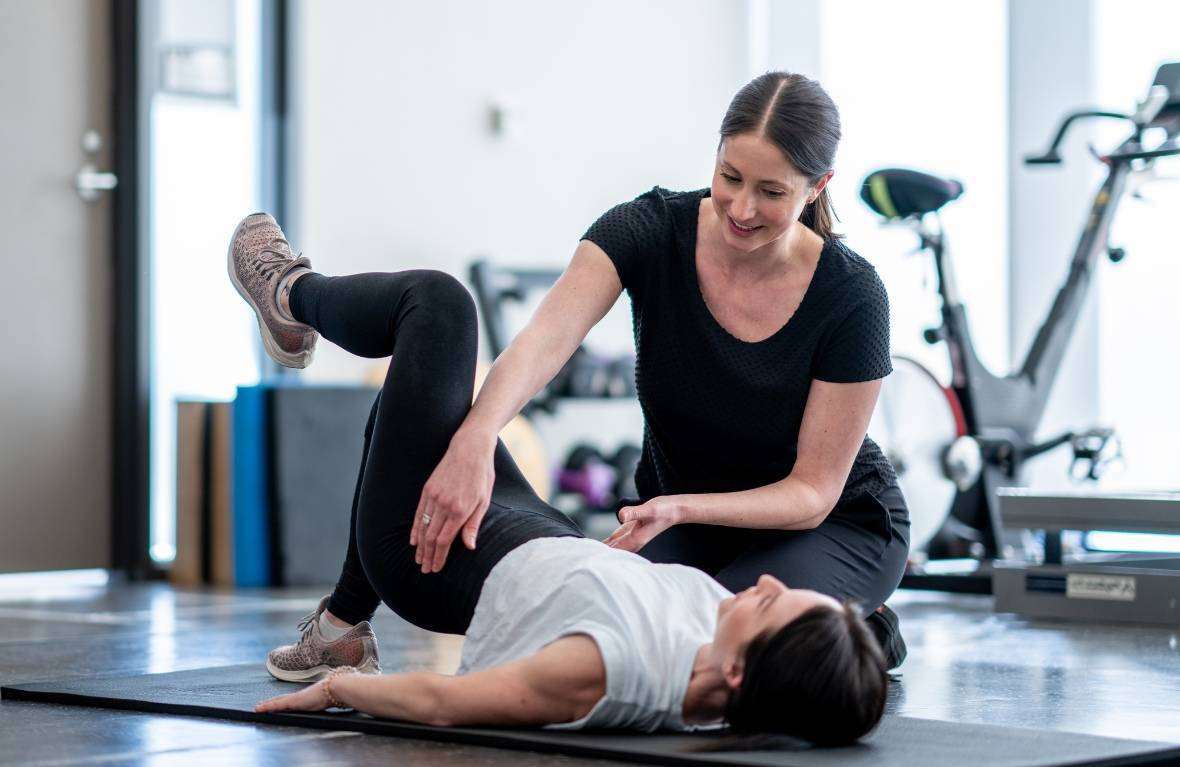
Physiotherapists can help design personalized exercise plans that align with your menstrual cycle, ensuring you train safely and effectively. They can also address any pain, imbalances, or injuries that might interfere with your routine.
At Your Forms UX (YFS) in Canada, our womens health physiotherapists specialize in cycle-synced exercise programming tailored to your unique needs and goals.
Conclusion
Syncing your exercise routine with your menstrual cycle isnt about restrictionits about empowerment. By honoring your bodys natural rhythms, you can improve your fitness results, enjoy workouts more, and support your overall hormonal health.
Start tracking your cycle today and experiment with these phase-specific workout tips. Your bodyand your resultswill thank you.