How to Sync Your Workouts with Your Cycle for Better Hormonal Balance explores targeted strategies for recovery. Discover new paths to mobility, healing, and personalized care.

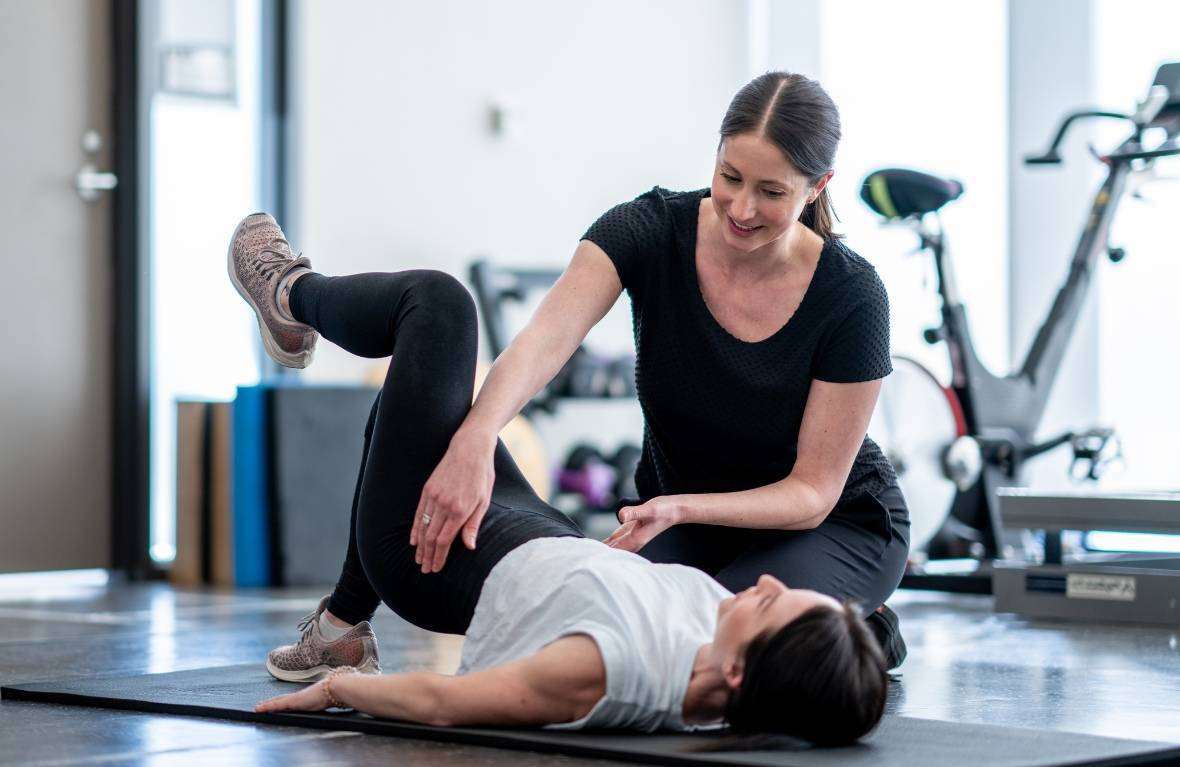
If youve ever powered through a workout only to feel drained, moody, or bloated afterward, your hormones might be trying to tell you something. The menstrual cycle isnt just about periodsits a dynamic hormonal rhythm that affects energy, recovery, and physical performance. By syncing your workouts with your cycle, and doing so under the guidance of skilled physiotherapists like the team at YFS (Your Forms UX) in Canada, you can optimize energy levels, avoid burnout, and promote long-term hormonal balance.
Lets break down what it really means to work with your body, not against it.
The Link Between Hormones and Exercise
Throughout your monthly cycle, hormones like estrogen, progesterone, and testosterone rise and fall. These fluctuations influence your:
Strength and endurance
Pain tolerance
Metabolic rate
Mood and motivation
Recovery speed
Ignoring these hormonal shifts often leads to overtraining during low-energy phases or undertraining during your peak performance window. Physiotherapy plays a key role in helping you read these signals and adjust accordingly.
Understanding Your Cycle Phases
Heres a breakdown of the four main phases of the menstrual cycle and how they affect your bodys ability to move, recover, and build strength:
1. Menstrual Phase (Day 15)
Hormones: Estrogen and progesterone are at their lowest.
Symptoms: Low energy, cramps, fatigue, tenderness.
Best Approach:
Gentle movement is ideal here. At YFS, our physiotherapists recommend low-impact exercises like light stretching, restorative yoga, mobility work, and slow walking. This helps maintain blood flow, reduce cramps, and promote lymphatic drainagewithout pushing your limits.
2. Follicular Phase (Day 613)
Hormones: Estrogen begins to rise, testosterone kicks in.
Symptoms: Increasing energy, better mood, clearer thinking.
Best Approach:
This is your sweet spot for strength training and cardio. YFS physiotherapists often schedule progressive resistance training, functional movement circuits, and balance-focused routines during this time. Youre likely to see strength gains and faster recovery here.
3. Ovulation (Day 1416)
Hormones: Estrogen peaks, and you may get a boost of testosterone.
Symptoms: High confidence, maximum energy, but also a slightly increased risk of injury.
Best Approach:
This is prime time for high-intensity workoutsbut injury prevention is key. Our YFS team integrates core stability, proper warm-ups, and alignment corrections before and after sessions. Quick bursts of HIIT, powerlifting, and explosive workouts work well, but always with mindful technique.
4. Luteal Phase (Day 1728)
Hormones: Progesterone rises, estrogen gradually drops.
Symptoms: Bloating, breast tenderness, irritability, lower motivation.
Best Approach:
Think low-to-moderate intensity with built-in recovery. This is when your body starts preparing for menstruation, so we recommend steady-state cardio, Pilates, and gentle strength maintenance. YFS physiotherapy also emphasizes mobility, foam rolling, and myofascial release in this phase.
How Physiotherapy Makes a Difference
Syncing workouts with your cycle isn’t just about changing routinesit’s about understanding what your body needs and responding smartly. Heres how YFS physiotherapists support this journey:
1. Cycle Tracking & Personalized Planning
We work with you to track your cyclewhether it’s regular, irregular, or impacted by birth control or perimenopause. Your training plan is then customized around these insights, ensuring that each workout complements your hormonal state.
2. Injury Prevention Through Education
Hormonal changes affect joint laxity, especially during ovulation. Our physiotherapists guide you through safer movement patterns and proper biomechanics, reducing your risk of knee, ankle, or back injuries.
3. Managing PMS & Period Pain
From targeted abdominal massage to pelvic floor therapy and lymphatic drainage, physiotherapy reduces common period-related symptoms like bloating, cramps, and fatiguemaking your workouts more accessible during tough days.
4. Boosting Hormone-Friendly Recovery
After intense phases of the cycle, recovery becomes essential. Your YFS physiotherapist may recommend breathing exercises, foam rolling techniques, or vagus nerve stimulation to help your body restore hormonal balance efficiently.
Why Hormonal Balance Matters in Fitness
A misaligned workout scheduleone that ignores your hormonal shiftscan do more harm than good. You might experience:
Prolonged soreness
Slower progress or plateaus
Poor sleep and recovery
Heightened PMS symptoms
Elevated cortisol and inflammation
Thats why syncing your cycle with physiotherapy-based workouts is a game-changer for sustainable hormonal health.
A Sample Hormone-Synced Training Week with YFS
Heres what a week might look like for someone in their follicular phase:
Monday: Progressive resistance training with a focus on compound lifts
Tuesday: Core stability and mobility training
Wednesday: HIIT session under supervision to reduce injury risk
Thursday: Light recovery workstretching and guided breathwork
Friday: Strength training + posture alignment
Saturday: Outdoor activity like hiking or cycling
Sunday: Restorative yoga with fascial release
And remember, this evolves with your cycle and lifestyle. At YFS, your program is dynamic, responsive, and deeply personalized.
Who Benefits Most from Cycle-Synced Physiotherapy?
Women with irregular periods or PCOS
Individuals transitioning into perimenopause or menopause
Athletes dealing with fatigue, burnout, or plateau
Anyone seeking sustainable, hormone-conscious fitness
New moms navigating postpartum recovery and hormone shifts
Take Control of Your Fitness & Hormones
Your menstrual cycle isn’t a barrierit’s a powerful biofeedback tool. With expert physiotherapy guidance, you can use it to boost performance, regulate stress hormones, and feel more in control of your health. Whether you’re struggling with fatigue mid-cycle or unsure how to train during PMS, the team at YFS has the expertise to guide you through each phase with clarity, safety, and empowerment.
Final Thoughts
You dont need to push through exhaustion or ignore your bodys natural rhythms. Syncing your workouts with your hormonal cycle, under the care of a skilled physiotherapy team, is one of the smartest wellness decisions you can make. At YFS, we believe in training smarternot harderand embracing your bodys wisdom every step of the way.
If youre ready to transform your workouts into hormone-supporting sessions, book a consultation with Your Forms UX in Canada today. Your bodyand your hormoneswill thank you.