How to Treat Lower Back Pain in Runners with Sports-Specific Therapy explores targeted strategies for recovery. Discover new paths to mobility, healing, and personalized care.

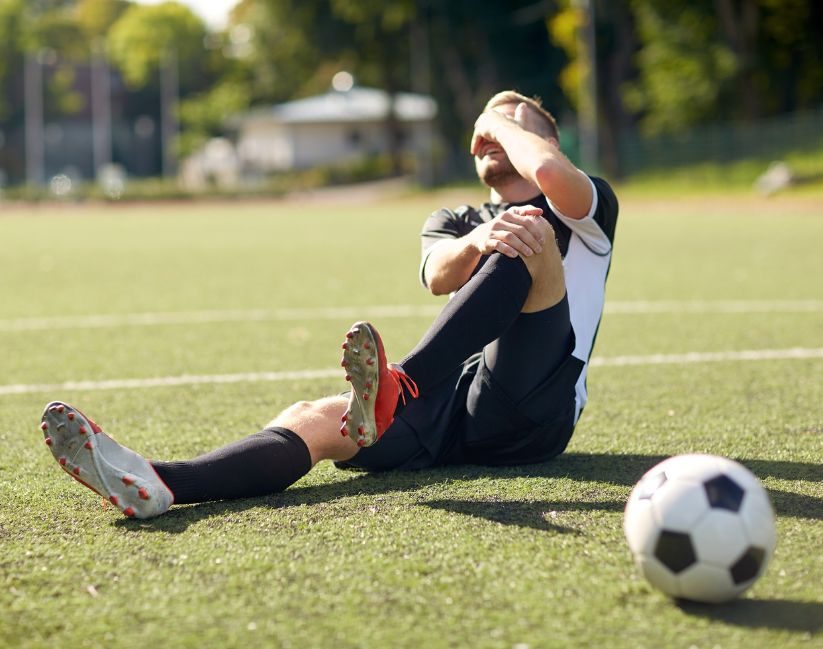
Lower back pain is a common complaint among runners at all levels from beginners logging their first miles to seasoned marathoners pushing their limits. The repetitive impact forces, combined with complex biomechanical demands of running, often place significant stress on the lower back. Without proper care, this can lead to chronic pain and limit athletic performance. The good news? Sports-specific therapy offers a tailored, effective approach to treat and prevent lower back pain, helping runners stay healthy and competitive.
Understanding Lower Back Pain in Runners
Running seems straightforward, but its actually a complex biomechanical activity. The spine, pelvis, hips, and legs work in coordination to absorb impact and propel the body forward. When one or more elements in this system dont function optimally, it often results in stress to the lower back.
Some common causes of lower back pain in runners include:
Muscle Imbalances: Tight hip flexors and hamstrings paired with weak gluteal and core muscles can alter pelvic alignment, increasing lumbar spine stress.
Poor Running Mechanics: Overstriding or excessive forward lean transfers shock directly to the lower back.
Overuse and Training Errors: Rapid increases in mileage or insufficient rest can cause inflammation of spinal structures.
Previous Injury: Old injuries to the lower back or hips might cause compensatory movement patterns.
Lack of Flexibility: Limited spinal and hip mobility often cause compensations that irritate lower back tissues.
Recognizing these underlying causes is critical for an effective treatment plan rather than simply masking symptoms with painkillers.
What Is Sports-Specific Therapy for Runners?
Sports-specific therapy focuses on the unique physical demands of running. Unlike generic physiotherapy, it targets the exact muscle groups, joint movements, and biomechanical patterns involved in running. This ensures that therapy not only addresses injury but also improves performance and prevents future problems.
Step-by-Step Approach to Treating Lower Back Pain with Sports-Specific Therapy
1. Comprehensive Evaluation and Assessment
A skilled sports-specific therapist begins with a detailed evaluation that looks at:
Postural Alignment: Identifying any pelvic tilts or spinal curves contributing to uneven stress.
Gait and Running Mechanics: Video analysis helps detect issues like overstriding, excessive vertical oscillation, or improper foot strike.
Range of Motion: Testing hip, pelvis, and spinal flexibility.
Muscle Strength Testing: Assessing core stability, glute activation, and leg strength.
Functional Movement Screening: Identifying dysfunctional movement patterns during running-related tasks.
This holistic assessment guides a personalized therapy plan focused on your specific needs.
2. Pain Management and Initial Care
For runners with acute or chronic pain, early management involves:
Manual Therapy: Soft tissue massage, myofascial release, and trigger point therapy reduce muscle tension and improve circulation.
Modalities: Ultrasound therapy or cold laser treatment can help reduce inflammation and accelerate healing.
Education: Guidance on activity modification to avoid exacerbating pain during the early stages of recovery.
3. Restoring Mobility and Flexibility
Restoring normal mobility is vital to reducing mechanical stress on the lumbar spine. Therapists employ:
Targeted Stretching: Focusing on tight hip flexors, hamstrings, and lumbar muscles.
Joint Mobilizations: To improve spinal and pelvic movement and alleviate stiffness.
Foam Rolling and Myofascial Techniques: To release fascia and improve tissue elasticity.
4. Core and Hip Strengthening
Strong core and hip muscles stabilize the pelvis and protect the lower back during running. Sports-specific therapy emphasizes:
Core Activation: Engaging the deep stabilizing muscles (transverse abdominis, multifidus) to support spinal alignment.
Gluteal Strengthening: Exercises like bridges, clamshells, and hip thrusts to activate the gluteus medius and maximus, which stabilize the pelvis and prevent compensatory lumbar movement.
Hip External Rotators and Abductors: Strengthening these muscles improves control during foot strike and push-off phases of running.
5. Gait Re-Education and Technique Refinement
Faulty running mechanics can perpetuate lower back pain. Sports-specific therapists use:
Video Feedback: To visually show runners their form and highlight areas for improvement.
Drills and Cues: To promote optimal cadence (usually 170-180 steps per minute), reduce overstriding, and encourage proper foot placement.
Balance and Proprioception Exercises: To enhance neuromuscular control during dynamic running movements.
6. Gradual Return to Running
Therapists design a progressive running schedule to safely reintroduce impact forces:
Starting with walking and light jogging on soft surfaces.
Incrementally increasing speed, duration, and intensity.
Monitoring pain and fatigue to adjust training accordingly.
This phased approach reduces the risk of re-injury.
Preventing Lower Back Pain: The Long-Term Strategy
Sports-specific therapy is not just about treating pain its about long-term prevention. Runners are encouraged to:
Incorporate regular flexibility and strengthening exercises into their training.
Use cross-training activities (cycling, swimming) to reduce repetitive spinal load.
Perform dynamic warm-ups and cool-downs to prepare muscles and joints.
Monitor training volume carefully and avoid sudden spikes in mileage.
Pay attention to footwear and running surfaces.
Why Choose Sports-Specific Therapy at YourFormsUX in Canada?
Canadian runners can benefit greatly from the expertise available at YourFormsUX. The clinic offers:
Experienced physiotherapists specializing in running-related injuries.
Advanced assessment tools like video gait analysis.
Personalized rehabilitation and training programs.
Evidence-based treatment modalities tailored to each athletes needs.
This holistic, sport-specific approach accelerates recovery and helps runners perform at their best, pain-free.