Pelvic pain and dysfunction can affect many women and significantly impact their daily lives, limiting mobility, causing discomfort, and reducing quality of life. Fortunately, pelvic floor physiotherapy offers an effective, non-invasive approach to managing and treating these complex conditions.

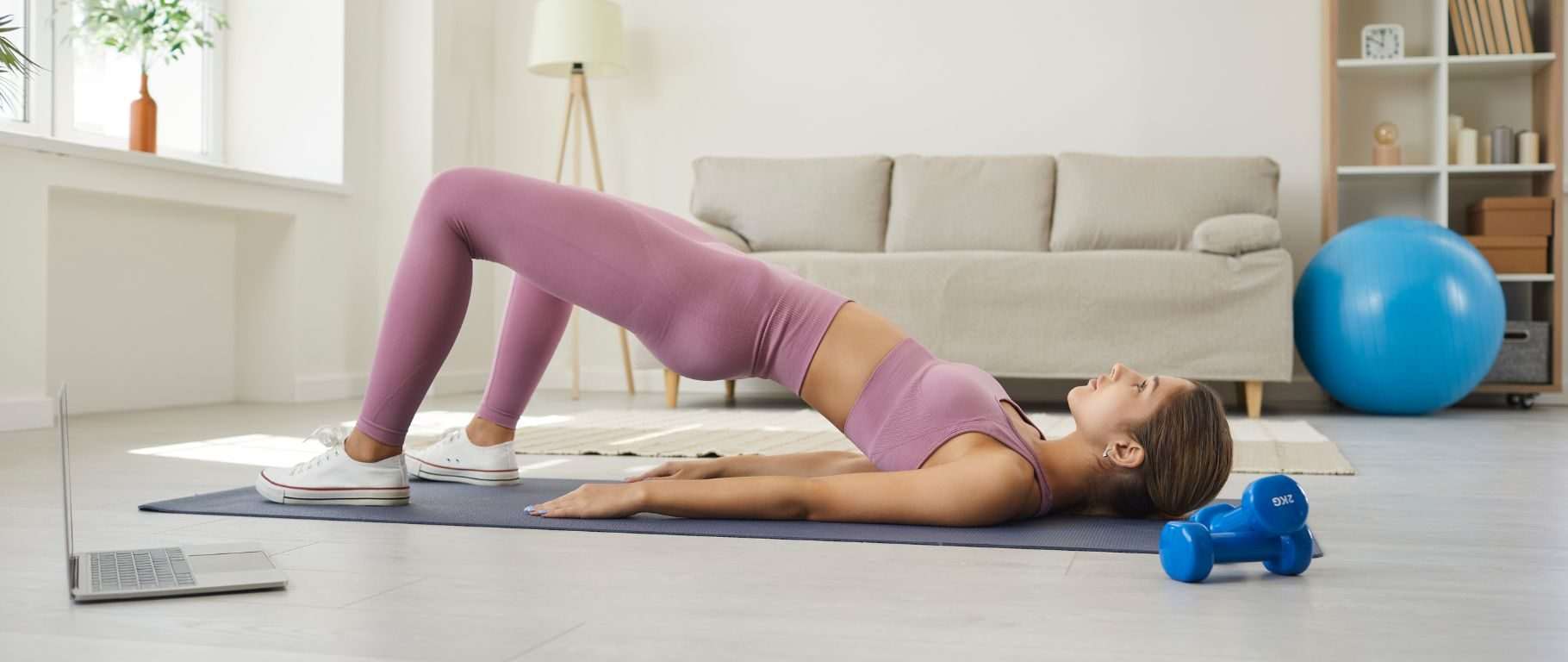
Pelvic pain and dysfunction can affect many women and significantly impact their daily lives, limiting mobility, causing discomfort, and reducing quality of life. Fortunately, pelvic floor physiotherapy offers an effective, non-invasive approach to managing and treating these complex conditions. By targeting the root causes of pelvic dysfunction, physiotherapy can help women regain control, reduce pain, and improve overall pelvic health.
Understanding Pelvic Pain and Dysfunction
Pelvic pain may be acute or chronic and can stem from various causes such as muscle tension, nerve irritation, pelvic organ prolapse, or injury. Dysfunction may manifest as muscle weakness, tightness, poor coordination, or inflammation within the pelvic region. These issues often result in symptoms like urinary or fecal incontinence, painful intercourse, lower back pain, and pelvic heaviness.
Many women experience pelvic dysfunction due to pregnancy, childbirth trauma, hormonal changes, surgery, or chronic strain from activities such as heavy lifting or prolonged sitting. Stress and psychological factors can also contribute to pelvic floor muscle tightness and pain.
How Pelvic Floor Physiotherapy Helps
Pelvic floor physiotherapy involves a comprehensive assessment and customized treatment plan to address pelvic pain and dysfunction effectively. A pelvic health physiotherapist will evaluate muscle tone, flexibility, strength, and coordination to identify dysfunction patterns.
Key physiotherapy techniques for treating pelvic pain and dysfunction include:
Pelvic Floor Muscle Training: Tailored exercises to strengthen weak muscles or relax overly tight muscles. These exercises improve muscle balance and coordination.
Manual Therapy: Hands-on techniques such as myofascial release, trigger point therapy, and deep tissue massage help relieve muscle tension, improve blood flow, and reduce pain.
Biofeedback: This technique uses sensors to provide real-time feedback about muscle activity, helping patients learn to control pelvic floor muscles more effectively.
Electrical Stimulation: In some cases, gentle electrical stimulation can help activate weakened muscles or relax tight muscles to restore function.
Postural and Movement Education: Improving posture and correcting movement patterns can reduce strain on the pelvic floor and prevent further dysfunction.
Breathing Techniques and Relaxation: Teaching diaphragmatic breathing and relaxation methods helps reduce pelvic muscle tension and manage pain.
The Benefits of Pelvic Floor Physiotherapy for Pelvic Pain
Personalized Treatment: Each womans pelvic dysfunction is unique, and physiotherapy programs are tailored to individual needs, ensuring targeted and effective care.
Non-Surgical Approach: Physiotherapy offers a conservative treatment option that avoids the risks associated with surgery or medications.
Improved Function and Quality of Life: Many women experience significant relief from symptoms, better bladder and bowel control, and improved sexual function after physiotherapy.
Empowerment Through Education: Physiotherapists educate women on pelvic anatomy, body mechanics, and self-care strategies to maintain long-term pelvic health.
When to Seek Help
Women experiencing persistent pelvic pain, urinary or fecal incontinence, painful intercourse, or a feeling of pelvic heaviness should consider consulting a pelvic floor physiotherapist. Early intervention often leads to better outcomes and prevents chronic issues.
Conclusion
Pelvic pain and dysfunction are common challenges for many women but do not have to be a lifelong burden. Pelvic floor physiotherapy provides a comprehensive, evidence-based approach to treatment that addresses the root causes of dysfunction. Through targeted exercises, manual therapy, and education, women can regain pelvic strength, reduce pain, and improve their quality of life. If you experience pelvic discomfort or dysfunction, seeking help from a pelvic floor physiotherapist can be a vital step toward healing and wellness.