


Long periods of sitting can:

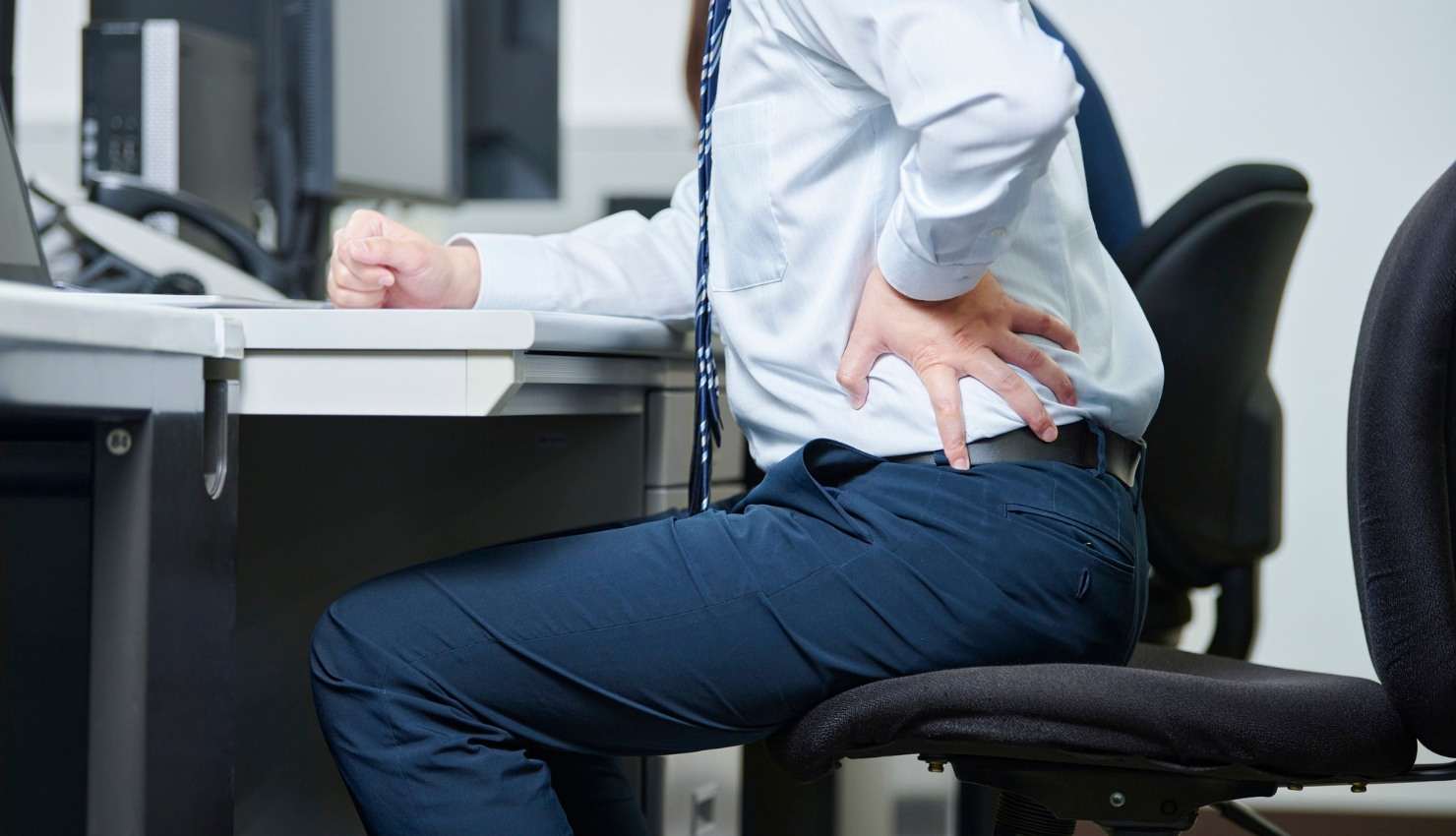
Long periods of sitting can:
Tighten your thoracic spine (mid-back)
Cause neck and shoulder tension
Decrease mobility in your hips and upper back
Lead to poor postural muscle engagement
?? Foam rolling acts like self-myofascial release, helping your muscles reset and return to proper function.
?? Foam Rolling Basics: What You Need
Standard foam roller (smooth or textured)
A yoga mat or padded surface
Comfortable clothing
510 minutes of free time
?? Choose a roller thats 1836 inches long for full-back support.
?? General Guidelines Before You Start
?? Roll slowlyabout 1 inch per second
?? Avoid bony areas or direct pressure on your neck/spine
?? Spend extra time on tight or tender spots
?? Breathe deeplynever hold your breath
?? If it hurts sharply, stop immediately
????? 6 Foam Roller Exercises for Back and Neck Relief
1. Thoracic Spine Roll (Mid-Back Relief)
Great for posture reset and tight upper back muscles.
Lie on your back with the roller under your shoulder blades
Cross arms over chest or support your head lightly
Slowly roll up and down from shoulder blades to mid-back
Pause on tight spots and take deep breaths
?? Roll for 12 minutes
2. Upper Back Extension Stretch
Counteracts hunching by improving mobility.
Lie on your back with the roller perpendicular to your spine
Place the roller just below your shoulder blades
Support your head with your hands
Gently arch back over the rollerhold for 5 seconds
Move the roller slightly and repeat
????? Do 56 reps for improved thoracic mobility
3. Lat and Side Roll
Releases tension that pulls on your upper back and shoulders.
Lie on your side with the roller under your armpit
Stretch the arm overhead and slowly roll down your side ribcage
Switch sides after 3060 seconds
?? Targets the latissimus dorsi, often tight from poor posture
4. Upper Trap Release (Neck & Shoulder Tension Relief)
Eases stress from slouching and screen time.
Lie on your back
Place the roller horizontally under the base of your neck
Gently turn your head side to side (small movement)
Optional: Hold one arm up while moving to deepen the release
?? Roll gently for 30 seconds each side
5. Low Back Support (Passive Stretch NOT rolling)
Great for decompressing the lumbar spine.
Lie on your back with knees bent
Place roller lengthwise along the spine or under your lower back
Rest here for 12 minutes to gently stretch and open the spine
? Avoid aggressive rolling on the lower backit can irritate the area.
6. Neck Tension Release (with Small Ball or Mini Roller)
Optional tool for direct neck relief.
Lie flat and place a small massage ball or peanut-shaped roller at the base of the skull
Gently nod yes and shake no to release occipital tension
Keep pressure very light
?? This targets the suboccipital muscles, often tight from forward head posture
?? When and How Often to Foam Roll
Daily if you’re working long hours at a desk
Morning to prepare your spine
Midday to break up sitting
Evening to release tension before bed
?? Even 5 minutes a day can make a noticeable difference in how your back and neck feel.
?? What to Avoid
Rolling directly on the lumbar spine or cervical spine
Fast or jerky movements
Ignoring sharp pain (discomfort is okay, pain is not)
Foam rolling immediately after injuryconsult a physiotherapist first
?? Quick Foam Rolling Routine for Desk Workers

