Postural awareness is the key to preventing chronic pain, maintaining functional mobility, and supporting long-term musculoskeletal health. …

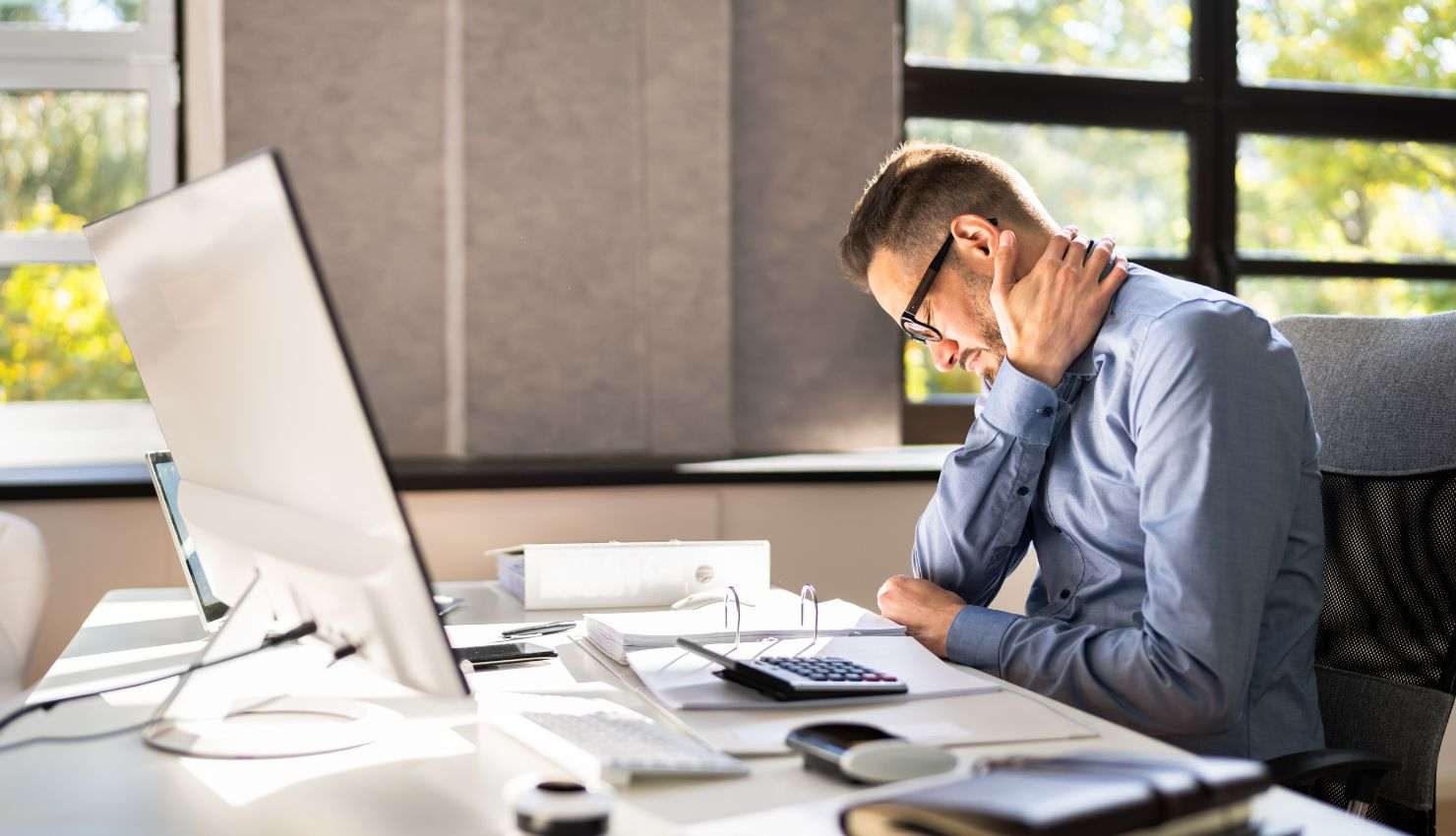
Postural awareness is the key to preventing chronic pain, maintaining functional mobility, and supporting long-term musculoskeletal health. But for many women, especially those dealing with alignment issues, postpartum changes, or sedentary habits, its easy to lose touch with how the body holds itself throughout the day. One of the most accessible and effective tools to retrain your posture? A mirror.
Using a mirror provides real-time visual feedback that helps you recognize postural deviations, adjust your alignment, and build lasting movement habits. In this blog, well explore how to use mirrors to improve posture, what to look for during your assessments, and how physiotherapy can guide this process for deeper, body-aware results.
Why Visual Feedback Matters
Our body relies on proprioceptionthe sense of where we are in spaceto maintain alignment. But poor posture, habitual movements, and compensatory patterns can dull this sense over time. A mirror introduces external feedback, which enhances body awareness and helps recalibrate your internal sense of posture.
With consistent use, mirrors can help you:
Identify imbalances or asymmetries
Practice neutral alignment in real-time
Reinforce proper movement mechanics
Reduce slouching and forward head posture
Improve coordination between your spine, shoulders, and pelvis
Long tail keywords: mirror exercises for posture, visual feedback for postural alignment, how to check posture using mirror, postural awareness at home, physiotherapy posture tips.
How to Set Up Your Mirror for Postural Check-Ins
You dont need a fancy setupa full-length mirror or wall-mounted mirror is enough. Place it where you do daily tasks like dressing, stretching, or exercising. Ensure good lighting and enough space to see your entire body from head to feet.
Recommended setup:
Full-length mirror at least 5 feet tall
Stand 3 to 6 feet away for a full view
Use a second hand mirror for side views if needed
Short tail keywords: mirror posture check, home posture correction, posture tools, body alignment check, posture awareness mirror.
What to Look for in Your Mirror
Front View Postural Checklist
Head level, not tilted to one side
Shoulders evennot elevated or sloped
Rib cage centered, not rotated
Pelvis level, not one hip higher than the other
Knees facing forward, not collapsing inward or turned out
Weight evenly distributed between both feet
Side View Postural Checklist
Ears aligned over shoulders
Shoulders aligned over hips
Neutral spine with visible cervical and lumbar curves
No exaggerated arching or slouching in the lower back
Knees soft, not locked back
Chin tucked gently, not jutting forward
Use the mirror to observe these points both when standing still and when movingespecially during common activities like sitting down, reaching, or walking.
Mirror-Based Exercises to Improve Posture
Wall Alignment Drill
Stand with your back against a wall and use the mirror to ensure:
Head, shoulders, and pelvis are touching the wall
Lower back has a natural curve (not flattened or overly arched)
Chin is tucked slightly, ears over shoulders
Hold for 3060 seconds to train neutral posture.
Chin Tuck Practice
Face the mirror and gently draw your chin back without lifting or dropping your head. Watch for forward head posture or shoulder elevation. Repeat slowly 10 times.
Shoulder Blade Engagement
Raise your arms to shoulder height and gently pull your shoulder blades down and back. Watch in the mirror to ensure youre not shrugging or flaring the ribs.
Single Leg Balance with Core Activation
Stand on one leg in front of the mirror. Watch for pelvic tilt, hip dropping, or spine curving. Use visual feedback to keep alignment steady while engaging your core.
Squat Form Check
Perform a slow squat while facing the mirror:
Knees track in line with toes
Spine remains upright and neutral
Pelvis stays level without tucking or tilting
Watch yourself from the side if possible using a secondary mirror or recording.
Using Mirrors During Daily Activities
While brushing your teeth: Align your spine and shoulders
At your desk: Check posture every hour using a mirror nearby
While lifting objects: Use the mirror to monitor spinal mechanics and prevent twisting
During yoga or physiotherapy routines: Ensure alignment through each movement
While carrying a child or bag: Check for compensatory shifts in shoulders and hips
How Physiotherapy Enhances Mirror-Based Training
At YourFormSux, we teach women to use mirror feedback as part of their postural rehabilitation process. Our approach integrates:
Postural education: Helping you understand what neutral means for your unique body
Movement correction strategies: Using mirror drills to retrain functional alignment
Pelvic floor and core activation cues: Teaching internal awareness alongside visual input
Corrective exercise routines: Tailored to your needs, with emphasis on mirror form monitoring
Breathwork and rib cage positioning: Training internal mechanics to match external alignment
Over time, what you see in the mirror will start to match how you feeland your awareness will become more intuitive.
Conclusion: See It, Feel It, Own It
Using a mirror to improve postural awareness is a simple yet powerful tool. It allows you to step outside your body, observe how you’re holding yourself, and make real-time corrections that build better habits. Posture isnt about rigidityits about alignment, ease, and conscious movement.
At YourFormSux, we help women across Canada use tools like mirrors, breathwork, and therapeutic movement to reconnect with their posture in practical, empowering ways. Because when you can see your alignment clearly, you can change it with confidenceand carry that strength into everything you do.