Common Standing Desk Mistakes (and the Pain They Cause) Locked knees or slouched posture ? leads to back and joint pain

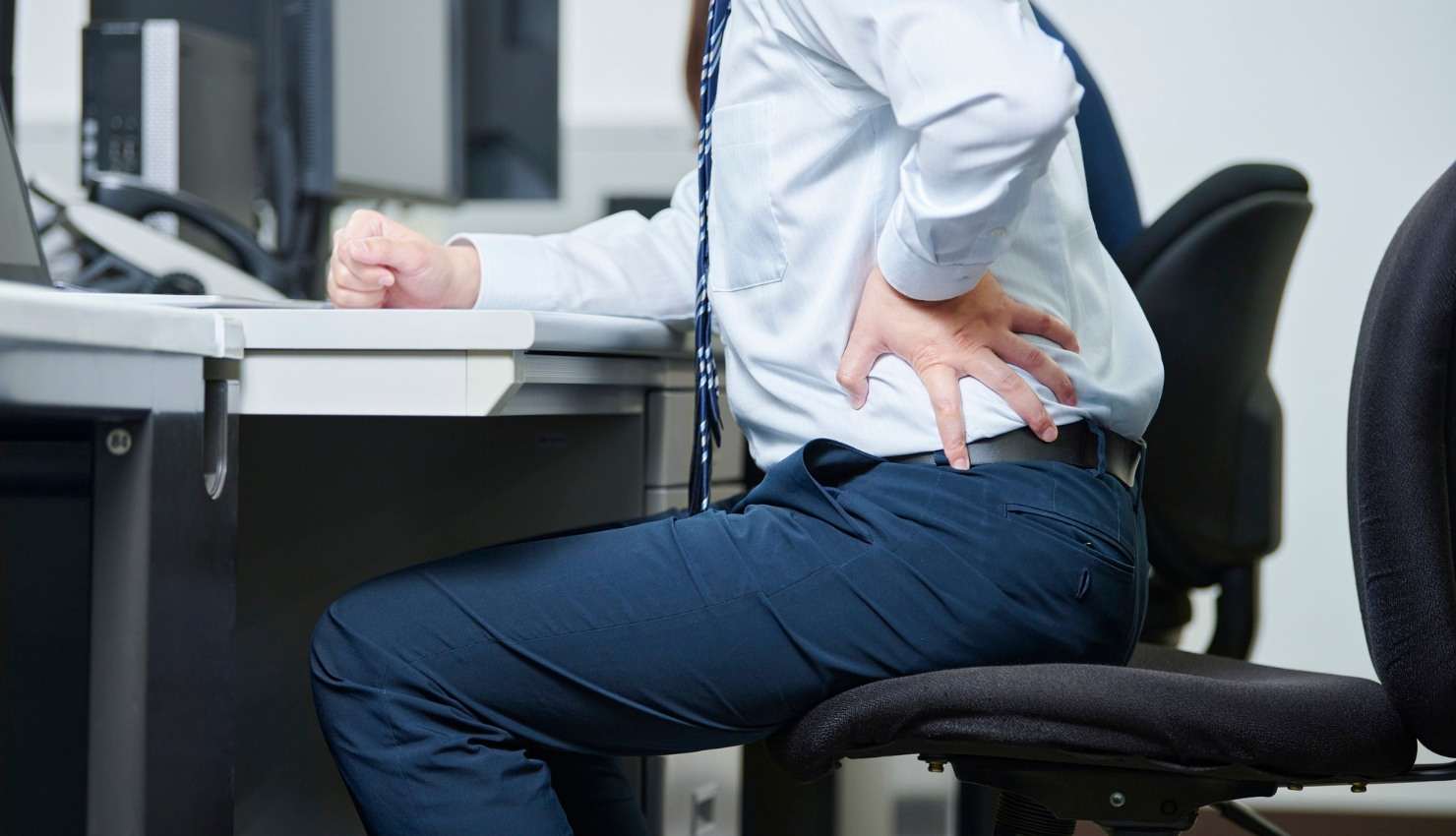
Common Standing Desk Mistakes (and the Pain They Cause)
Locked knees or slouched posture ? leads to back and joint pain
Poor screen or keyboard height ? causes neck, shoulder, and wrist strain
Standing too long without breaks ? increases fatigue and muscle tension
Unsupportive footwear or hard floors ? leads to foot, knee, and hip pain
Shifting weight unevenly ? may cause imbalance and tension
?? Standing is not a cure-allits about balanced movement, not rigidity.
? How to Use a Standing Desk the Right Way
1. ?? Set Up the Desk Ergonomically
Monitor: Eye level, 2028 inches from your face
Keyboard: Elbows at 90100°, wrists neutral (not bent up/down)
Mouse: Close to the keyboard, at the same level
Shoulders: Relaxed, not hunched or shrugged
Head: Stacked over spine, not jutting forward
?? Use a monitor riser or adjustable arms to fine-tune alignment.
2. ?? Prioritize Foot Comfort and Support
Wear supportive shoesavoid standing barefoot or in socks on hard floors
Use an anti-fatigue mat to cushion your feet and reduce joint impact
Consider compression socks if your legs tire easily
Keep feet flat, shoulder-width apart, and shift weight gently
3. ????? Alternate Between Sitting and Standing
Start with 1530 minutes of standing per hour
Work up gradually to a 1:1 or 2:1 sit-stand ratio
Dont stand for hours straightmovement variety is key
Use a timer or posture app to remind you to change positions
?? Every 3045 minutes, change your positioneven a brief walk helps!
4. ????? Add Movement Throughout Your Day
March in place or shift side to side
Do calf raises, shoulder rolls, or toe taps
Stretch your hip flexors, hamstrings, and calves regularly
Try a balance board or footrest for dynamic standing
5. ?? Sit Smart During Breaks
Use a chair with good lumbar support
Sit upright with feet flat and knees slightly below hips
Use sitting time to stretch your back or roll out your feet
????? Mini Exercises to Prevent Standing Desk Discomfort
Exercise Frequency Benefit
Calf raises 1015 reps/hour Improves circulation
Hip flexor stretch 2x/day Prevents tight hips and back pain
Wall angels 10 reps/day Improves shoulder posture
Wrist circles 1x/hour Relieves typing strain
Neck glides 2x/hour Reduces forward head tension