How to Use Movement Therapy for Managing Back Pain Movement therapy can be a powerful, no…

How to Use Movement Therapy for Managing Back Pain
Movement therapy can be a powerful, non-invasive approach to managing and reducing back pain by addressing the root causes rather than just the symptoms. It helps restore natural movement patterns, improve posture, and reduce muscle tensionall common contributors to chronic or recurring back issues.
1. Focus on Gentle, Controlled Movements
Rather than high-intensity exercise, movement therapy emphasizes:
Slow, mindful motions to re-educate the nervous system
Pain-free ranges of motion to build confidence and mobility
Consistency over intensity to avoid flare-ups
Examples: Pelvic tilts, cat-cow stretches, or gentle spinal rotations.
2. Improve Core and Pelvic Stability
Weak or imbalanced core muscles can lead to poor spinal support. Movement therapy works to:
Activate deep stabilizing muscles like the transverse abdominis and multifidus
Coordinate breathing with movement for better trunk control
Promote neutral spine alignment in functional activities
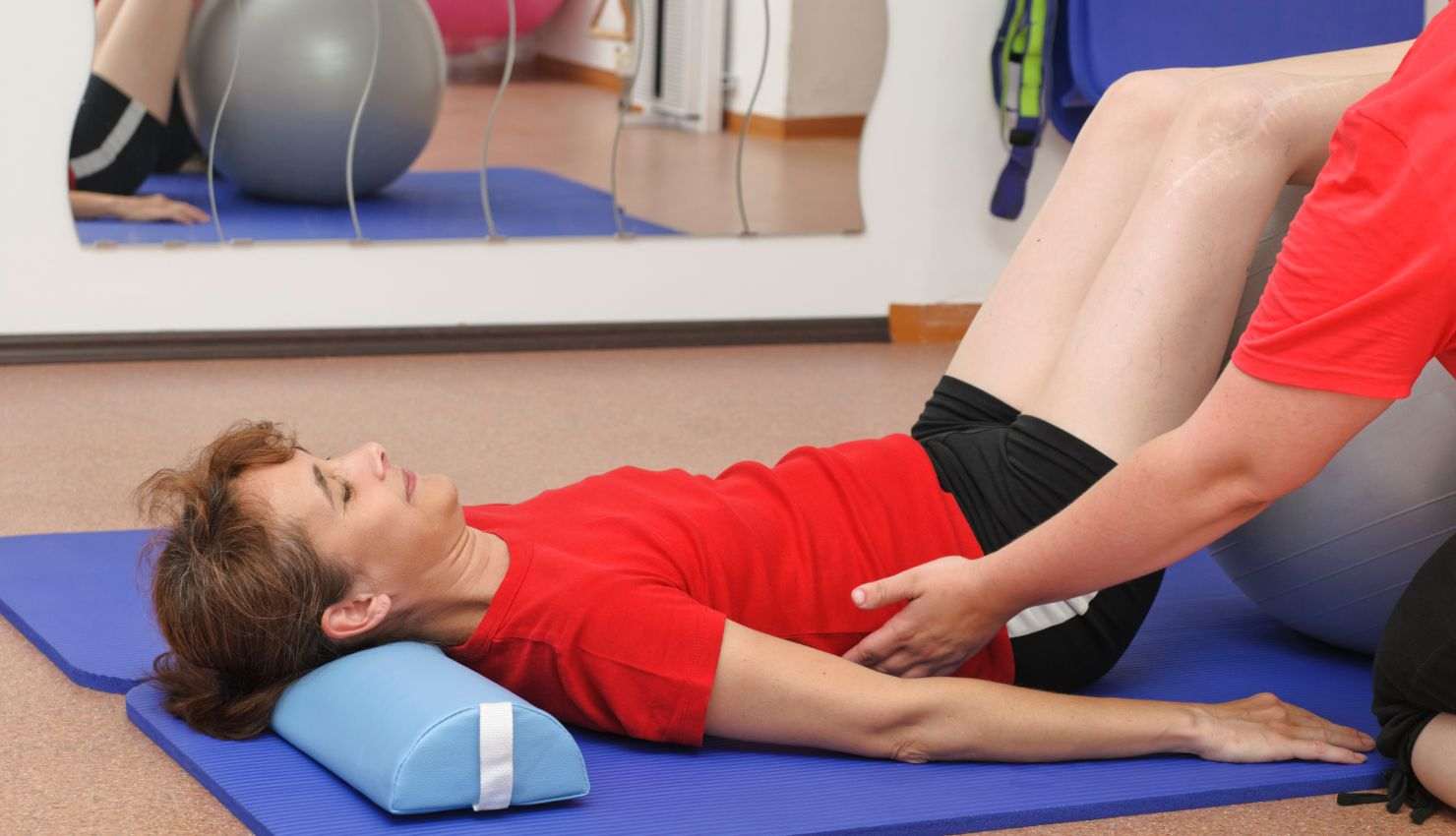
Examples: Supine leg slides, dead bugs, diaphragmatic breathing, bridge exercises.
3. Correct Postural Imbalances
Poor posture contributes to uneven loading of the spine and muscle fatigue. Movement therapy helps:
Increase awareness of posture throughout daily life
Reposition the spine into more efficient, less stressful alignment
Release tension in overused areas (e.g., lower back, hip flexors
Examples: Wall angels, chin tucks, hip openers, and thoracic mobility drills.
4. Improve Hip and Thoracic Mobility
Back pain is often caused by stiffness elsewhereespecially in the hips and mid-backleading the lower back to overcompensate. Movement therapy restores mobility in these key areas to offload the lumbar spine.
Examples: Lunge stretches, spinal twists, seated thoracic extension exercises.
5. Reduce Muscle Guarding and Tension
Chronic pain often causes muscles to become overly tense or guarded. Movement therapy encourages:
Gentle movement to break the cycle of fear and immobility
Relaxation through breathwork and rhythm
A safe environment to reintroduce movement without triggering pain
Examples: Feldenkrais “awareness through movement” lessons or somatic exercises.
6. Create a Daily Movement Routine
Consistency is key for long-term back pain relief. A simple, daily movement practice can:
Keep joints and muscles supple
Reinforce healthy patterns
Prevent re-injury or stiffness from inactivity
Routine Tip: Aim for 1015 minutes per day, combining mobility, activation, and relaxation work.
7. Work With a Professional If Needed
If you’re unsure how to start, a physical therapist or certified movement specialist can:
Assess your specific pain triggers and postural habits
Design a personalized plan that evolves with your progress
Ensure youre using safe, effective techniques