Understanding Chronic Hip Pain Chronic hip pain may stem from: Osteoarthritis Hip imping…

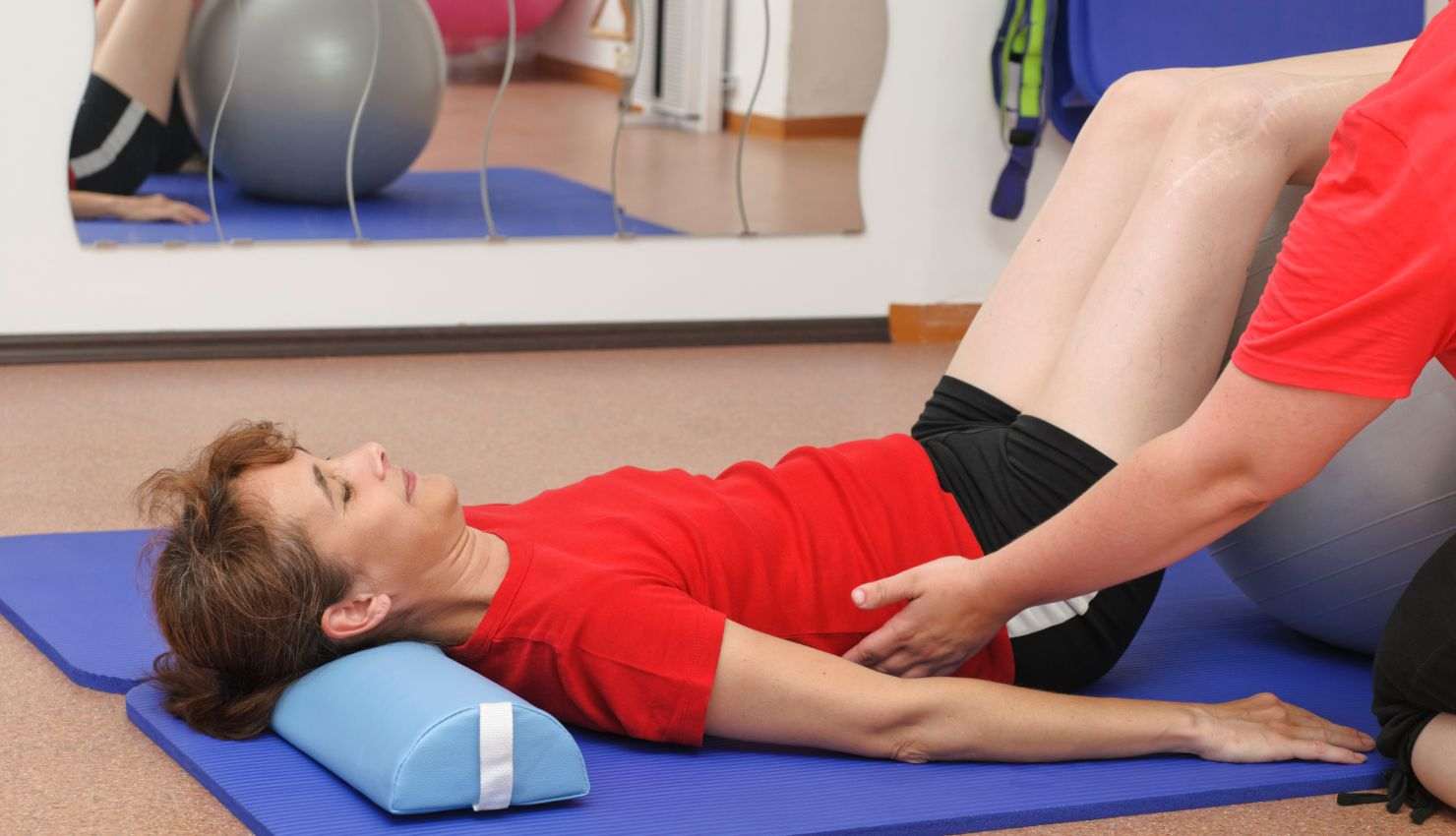
Understanding Chronic Hip Pain
Chronic hip pain may stem from:
Osteoarthritis
Hip impingement or bursitis
Labral tears
Muscle imbalances or tightness
Poor biomechanics or posture
Over time, pain can lead to reduced mobility, stiffness, and compensatory movement patterns that worsen the problem.
????? How Movement Therapy Helps
Movement therapy addresses the root causes of hip painnot just the symptomsby improving:
Joint mobility and alignment
Muscle strength and balance
Movement coordination and posture
Neuromuscular control and gait mechanics
This approach retrains the body to move in ways that reduce strain on the hip.
?? Key Movement Therapy Techniques for Chronic Hip Pain
1. Mobility Exercises
Loosen stiff joints and improve the range of motion.
Examples:
Hip circles (standing or on hands and knees)
90/90 hip rotations
Spinal twists to release hip tension
2. Stretching Tight Structures
Lengthens overactive muscles like the hip flexors and IT band.
Examples:
Lunge stretch (hip flexors)
Figure-4 stretch (piriformis/glutes)
Butterfly stretch (groin muscles)
3. Glute and Core Activation
Recruits weak muscles that support the hip.
Examples:
Glute bridges
Clamshells with a resistance band
Dead bugs or bird dogs for core stabilization
4. Postural Re-education
Improves standing, walking, and sitting alignment to reduce hip stress.
Examples:
Pelvic tilts
Wall sits with focus on neutral spine
Balance training for gait correction
5. Functional Movement Training
Restores real-world movements like squatting, walking, and stair climbing.
Examples:
Bodyweight squats (with form correction)
Step-ups
Lateral lunges with control
?? Sample Daily Routine (1520 Minutes)
Warm-up (3 mins): March in place, hip circles
Mobility (5 mins): 90/90 rotations, lunges
Strength & Stability (7 mins): Glute bridges, clamshells, step-ups
Stretch & Cool Down (5 mins): Figure-4 stretch, butterfly stretch
?? Important Tips
Start slowly and progress as tolerated
Avoid pushing into painfocus on quality, not quantity
Consistency is keypractice daily or every other day
Work with a movement therapist or physiotherapist for personalized guidance
? Benefits of Movement Therapy for Hip Pain
Reduces pain and inflammation
Improves hip flexibility and control
Builds long-term joint resilience
Enhances daily movement confidence
Lowers the risk of compensatory injuries (e.g., knee or back pain)