Movement therapy is one of the most effective strategies for accelerating recovery after a…

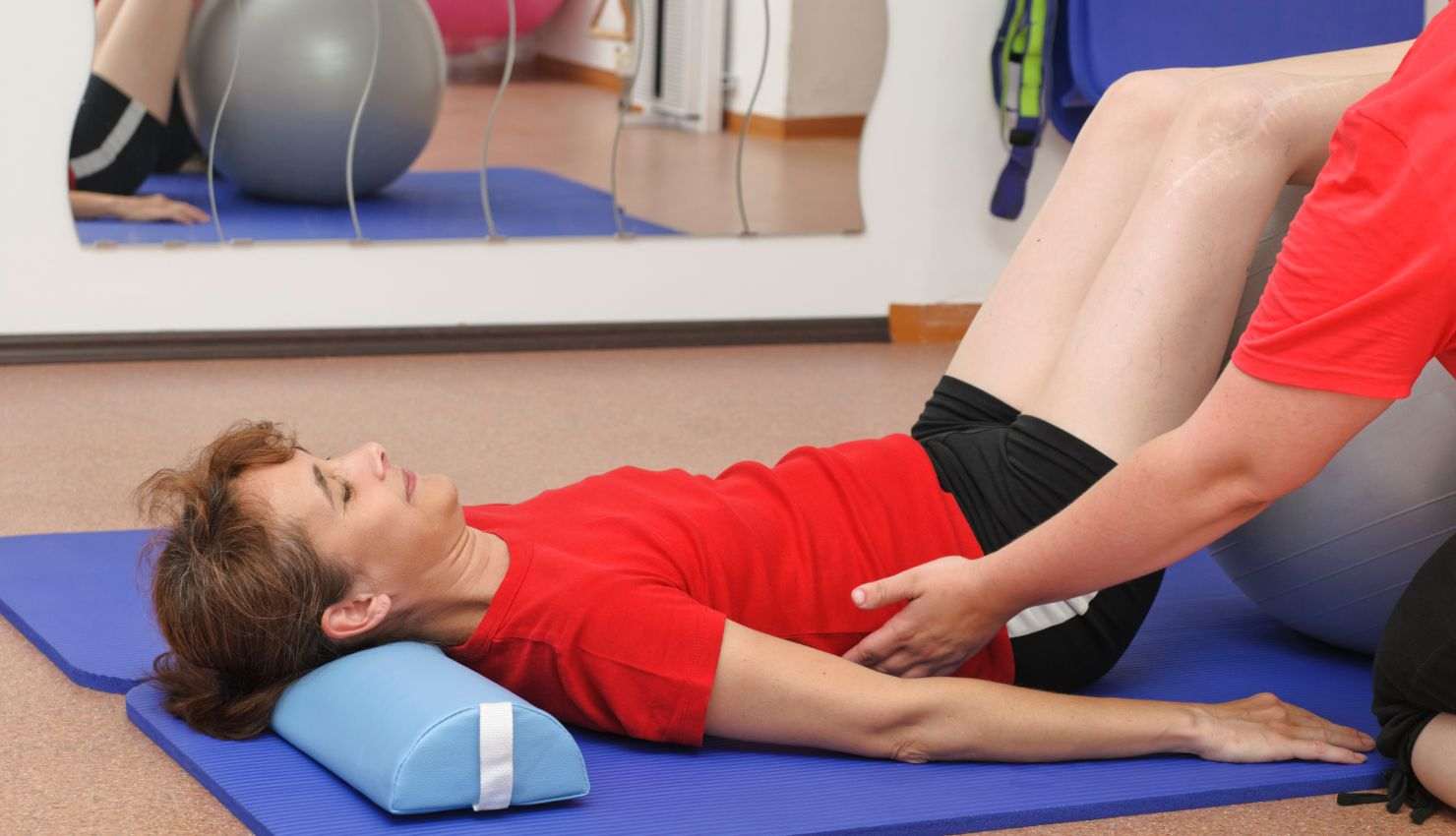
Movement therapy is one of the most effective strategies for accelerating recovery after an injurywhether its a sprain, strain, fracture, or post-surgical healing. By introducing the right movements at the right time, you can help your body heal faster, regain strength and mobility, and prevent long-term dysfunction.
Rather than complete rest, which can lead to stiffness, muscle atrophy, and delayed healing, movement therapy focuses on safe, progressive activation of the injured area to support tissue repair and restore function.
?? Why Movement Matters in Recovery
Recovery Benefit How Movement Therapy Helps
Improves blood flow Brings oxygen and nutrients to healing tissues
Prevents stiffness and adhesion Maintains joint range and muscle elasticity
Reduces inflammation Stimulates lymphatic drainage and fluid movement
Rebuilds muscle and coordination Prevents atrophy and restores normal movement patterns
Boosts mental and physical confidence Encourages active participation in recovery
?? The Phases of Recovery and Movement Goals
Phase Movement Focus
Acute (03 days) Protect injury, reduce swelling, maintain circulation (e.g. ankle pumps, breathing)
Subacute (310 days) Gentle mobility, isometrics, begin soft tissue activation
Early Rehab (13 weeks) Controlled active movement, light resistance, stretching
Late Rehab (3+ weeks) Strengthening, balance, functional retraining
Return-to-Activity Power, agility, endurance, sport/work-specific drills
? Movement Therapy Techniques to Use
1. Gentle Range-of-Motion (ROM)
When: Early stages
Example: Shoulder circles, knee bends
Goal: Maintain joint mobility and fluid movement
2. Isometric Exercises
When: Subacute stage
Example: Quad sets, glute squeezes
Goal: Strengthen without joint strain
3. Assisted or Active Movement
When: Mid-stage recovery
Example: Arm slides on a table, assisted leg raises
Goal: Regain coordination and control
4. Stretching and Soft Tissue Work
When: After swelling and inflammation reduce
Example: Calf stretch, hamstring stretch
Goal: Restore flexibility and prevent contractures
5. Strength and Balance Training
When: Advanced stages
Example: Resistance bands, single-leg balance
Goal: Rebuild stability and function
6. Functional and Sport-Specific Drills
When: Final stage
Example: Jogging drills, task simulation
Goal: Return to real-life or athletic activity
?? Sample 15-Minute Daily Movement Therapy Session (Subacute Phase)
Exercise Time/Reps
Deep breathing & ankle pumps 2 minutes
Gentle ROM (e.g. shoulder rolls, neck tilts) 5 reps each side
Isometric holds (e.g. glutes, quads) 2 x 10 seconds each muscle
Assisted movement (e.g. wall walks for arms) 10 reps
Stretching (light hamstrings, calves) 30 sec each side
Balance (single-leg stand near support) 30 sec each side
?? Key Guidelines for Safe Recovery
Avoid pain Mild discomfort is okay, but sharp pain is not
Listen to your body Modify movements if swelling or fatigue increases
Stay consistent Daily small sessions are more effective than occasional long ones
Hydrate and fuel properly Healing needs nutrients
Work with a professional A physical therapist can customize your plan
?? When to Start Movement Therapy?
Immediately after injury (acute phase): Gentle, passive or isometric movement can begin within 2472 hours, depending on injury severity and doctors advice.
Always under professional guidance if the injury involves fractures, surgery, or neurological involvement.
?? Final Benefits of Movement Therapy in Injury Recovery
Faster healing and return to function
Reduced scar tissue and stiffness
Improved coordination and proprioception
Lower risk of reinjury
Greater long-term joint and muscle health