How to Use Movement to Enhance Mental Health Recovery brings new meaning to proactive care. Tap into fresh strategies that promote movement and strength.

Movement plays a powerful and often underestimated role in supporting mental health recovery. For individuals facing anxiety, depression, post-traumatic stress, or emotional exhaustion, integrating movement into daily routines can be a game-changer. At YourFormSux (YFS), our physiotherapy-based approach emphasizes structured movement to promote long-term mental wellness and emotional resilience.
Understanding the Link Between Movement and Mental Health
Mental health recovery involves more than therapy sessions or medication. It requires an integrated mind-body strategy that helps the nervous system regain stability. Movement enhances neuroplasticity, improves blood flow to the brain, reduces stress hormones like cortisol, and increases endorphin levels. All these biological effects support a stronger emotional foundation and a greater ability to manage triggers.
Why Movement Matters in Recovery
Movement has the ability to break the cycle of stagnation that many people in recovery experience. When someone struggles with mental health issues, even basic physical activity can feel overwhelming. However, incorporating gentle, intentional movement through physiotherapy creates structured, manageable steps that build confidence and routine.
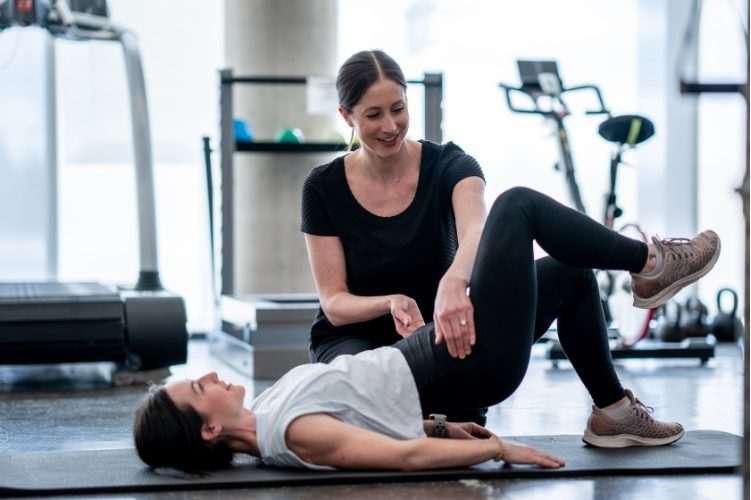
Physiotherapists at YFS design movement-based recovery programs tailored to an individuals mental and physical capacity. These programs may include low-impact activities such as guided stretching, breathing-integrated exercises, balance work, and light resistance movements. The goal is to gradually reintroduce motion and activate mind-body awareness.
Rewiring the Nervous System Through Movement
Chronic stress, anxiety, and trauma often cause the nervous system to become dysregulated. Physiotherapy helps shift the body out of a fight-or-flight mode and into a more balanced state through controlled movement patterns. Slow, repetitive exercises signal safety to the brain, which can ease heightened emotional states.
For example, rhythmic activities like walking, gentle yoga-inspired physiotherapy, or fluid joint mobilization techniques can support parasympathetic nervous system activation. This is the bodys “rest and digest” state, which plays a critical role in emotional healing and recovery.
The Mental Benefits of Physical Structure
Mental health recovery thrives on consistency, and movement provides a tangible framework. When patients engage in movement therapy regularly, they not only benefit from improved mobility but also gain a sense of progress. Each successful session contributes to emotional uplift and fosters a more optimistic outlook.
This structured repetition also helps individuals regain agency over their recovery journey. Rather than feeling passive or stuck, patients experience progress through measurable improvements in balance, endurance, coordination, and posture. These physical changes mirror internal emotional healing.
Movement Supports Sleep and Energy
Mental health disorders often interfere with sleep patterns and energy levels. Through structured movement, physiotherapy encourages more restorative sleep and increased daytime alertness. Improved sleep alone can significantly affect ones ability to emotionally regulate, concentrate, and respond to stress.
YFS movement programs emphasize routines that help reset the body’s circadian rhythm. When performed regularly, these routines reduce daytime fatigue and make it easier to maintain focus and emotional control throughout the day.
Personalizing Movement for Mental Health Recovery
No two individuals experience mental health challenges the same way. Thats why physiotherapy-based movement programs must be customized. At YFS, we evaluate each clients mental and physical health status to build a movement routine that promotes emotional stability without causing physical overload.
We also emphasize patient education, ensuring each individual understands how movement supports mental health. This knowledge helps clients stay motivated and engaged in their recovery journey, especially during periods of emotional difficulty.
Overcoming Resistance and Building Momentum
Starting any new habit during recovery can feel daunting. At YFS, we work through the barrierswhether its fear of discomfort, physical fatigue, or low motivationby beginning with achievable goals and compassionate support. Movement is introduced gradually and reinforced with positive feedback and emotional coaching from trained professionals.
The key is building momentum. With each session, clients begin to associate movement with positive feelings: reduced anxiety, increased calm, improved focus, and greater emotional clarity.
Long-Term Impact of Movement on Mental Health
When movement becomes part of a persons lifestyle, the long-term mental health benefits are undeniable. Regular movement can lower the risk of relapse into depression or anxiety, reduce emotional volatility, and support sustained cognitive function. For individuals managing chronic mental health conditions, movement is a tool that can be used daily to maintain emotional equilibrium.
YFS clients often report feeling more connected to their bodies, more capable of managing stress, and more confident in facing daily life challengesall from consistent, supportive physiotherapy sessions that incorporate targeted movement.
Final Thoughts
Movement is not just a physical actits a therapeutic process. At YFS, we believe in empowering mental health recovery through intentional, personalized physiotherapy. Whether you’re recovering from trauma, burnout, or a long-term mental health condition, movement can be a foundational pillar of healing.
For those looking to take control of their recovery journey, physiotherapy-led movement offers a gentle, effective, and sustainable path toward better mental and emotional well-being.