How to Use Physiotherapy to Alleviate Hormonal Symptoms explores targeted strategies for recovery. Discover new paths to mobility, healing, and personalized care.

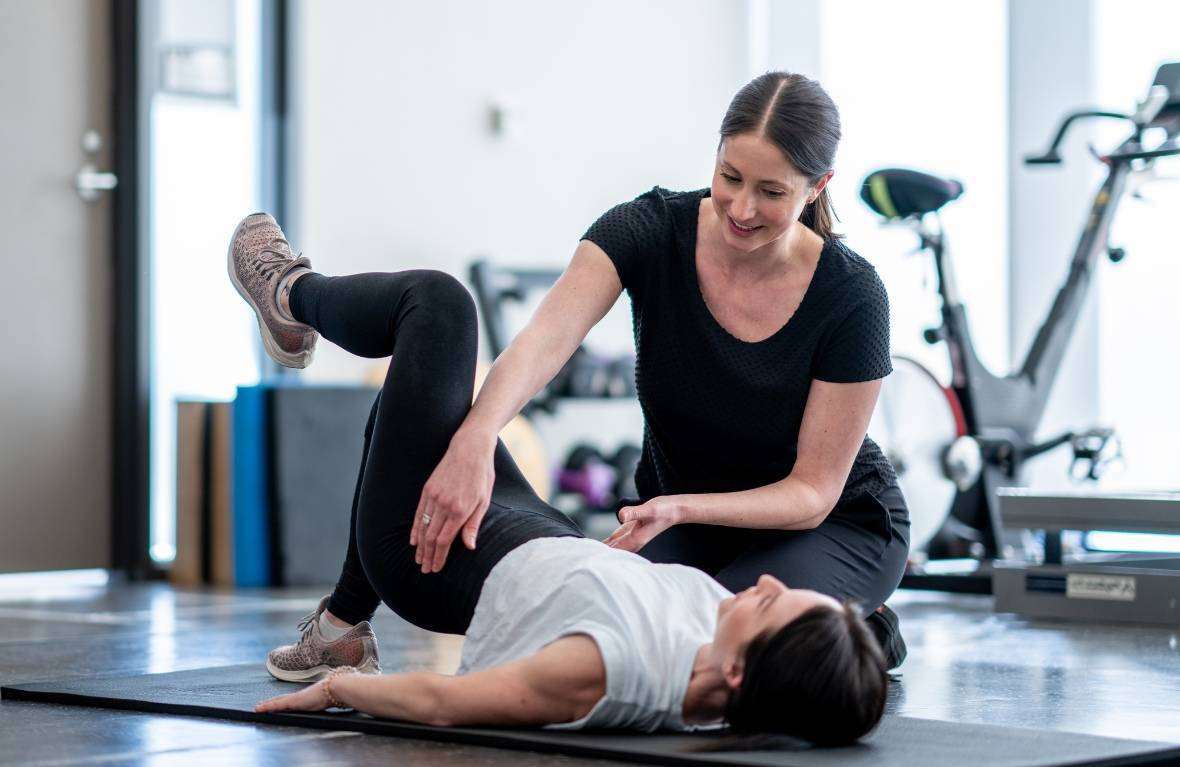
Hormonal fluctuations can impact women and men in many waysfrom mood swings and fatigue to muscle tension and headaches. But did you know that physiotherapy can play a crucial role in managing these hormonal symptoms? In this blog post, well dive into how targeted physiotherapy and exercises can help you alleviate hormonal imbalances, improve overall wellbeing, and support long-term health.
Understanding Hormonal Symptoms
Hormones shape how we feel, move, recover, and thrive. Common symptoms of hormonal imbalance include:
Mood disturbances (irritability, anxiety, depression)
Low energy, chronic fatigue
Muscle tension, neck and shoulder knots
Pelvic pain, pelvic floor dysfunction
Headaches or migraines
Irregular sleep and restlessness
These symptoms often become more pronounced during life transitions such as puberty, pregnancy, postpartum, perimenopause, and menopause. They can also arise due to stress, poor nutrition, or underlying health issues. Thats where physiotherapy for hormonal symptoms makes a real difference.
Why Physiotherapy Works for Hormonal Imbalances
Physiotherapists use evidence-based treatment strategiesincluding manual therapy, exercise prescription, breathing techniques, and patient educationto address pain, reduce stress, and enhance tissue mobility. Heres how this translates into relief from hormonal symptoms:
Stress Regulation with Breathwork and Relaxation
Deep breathing exercises and diaphragmatic breathing help calm the nervous system, lower cortisol (stress hormone), and reduce anxiety and sleep disturbances.
Techniques like guided breathing and mindful movement support stress hormone reduction naturally.
Pelvic Floor Therapy for Hormonal Health
Diaphragm and pelvic floor muscles are closely connected. Physiotherapists can assess and treat pelvic floor dysfunction, which often worsens during hormonal shifts like pregnancy or menopause.
Specific pelvic floor exercises enhance core strength, bladder control, and sexual functioncritical for physiotherapy pelvic health.
Manual Therapy for Pain and Tension
Trigger point release, myofascial techniques, and gentle mobilizations ease chronic muscle tension in shoulders, neck, and low back.
Less muscle tightness correlates with lower pain perception and conflict with rising hormones.
Strength and Flexibility Exercises
Controlled exercises targeting the hips, core, and posture support hormone-sensitive areas such as the lower back and pelvis.
Hormonal balance exercise plan might include functional movement, gentle strengthening, and posture correction.
Lifestyle and Education
Physiotherapists teach home exercise routines, ergonomic habits, and stress-management strategies that complement their in-clinic work.
With an understanding of physiotherapy hormonal wellness strategies, patients gain long-term, sustainable benefits.
Core Physiotherapy Tools to Alleviate Hormonal Symptoms
When creating a personalized physiotherapy plan to relieve hormonal symptoms, practitioners typically include:
1. Pelvic Floor and Core Training
Kegel exercises (both gentle and strengthened contractions) to regulate hormone-sensitive pelvic structures.
Core stabilization drills, like modified planks, pelvic tilts, and glute activation, to keep the pelvis balanced during hormonal changes.
2. Postural and Spine Alignment
Thoracic and cervical mobilization techniques to ease neck pain, tension, and headaches so often triggered by hormonal fluctuations.
Scapular re-education to open the chest and counteract stress-related posture like rounded shoulders.
3. Stress-relief Breathing Techniques
Diaphragmatic breathing, often taught with hands-on cueing.
Box breathing, 4444 inhale-hold-exhale-hold cycles to promote relaxation and reduce cortisol.
4. Mobility and Stretching
Targeted stretches for the low back, hip flexors, hamstrings, and chest to counteract stiff, tense muscles.
Proprioceptive neuromuscular facilitation (PNF) techniques to lengthen muscles and reset soft tissue tone.
5. MindBody Integration
Gentle yoga-based flows or Pilates-style sequences integrated into physiotherapy sessions to harmonize body and mind.
Progressive relaxation techniques and body awareness training as adjuncts to movement.
Designing Your Personalized Physio Session for Hormonal Relief
To get the most out of physiotherapy for hormonal symptoms:
Book a hormonal health assessment
Evaluate posture, lumbar and pelvic mobility, breathing patterns, pelvic floor, and muscle tone.
Identify triggering symptoms
Note whether your headaches, cramps, insomnia, or pelvic discomfort spike before menstruation, during pregnancy, or around menopause.
Create a targeted care plan
Include pelvic floor work, posture correction, stress-management techniques, and exercises tailored to your hormonal cycle phase (e.g., follicular vs luteal).
Commit to consistency
Attend weekly sessions and diligently do your home exercise program to reinforce the positive changes.
Track progress
Monitor improvements in pain levels, sleep quality, energy, and emotional balance over a 3-month period.
Real-life Patient Examples
Sara, 28 (pre-menstrual low energy & migraines): After 8 sessions combining cervical mobilizations, breathing retraining, and scapular stabilization, she reported 60% fewer migraines and significantly reduced fatigue.
Emma, 45 (perimenopausal pelvic heaviness): With pelvic floor strengthening, diaphragmatic awareness, and core support, she eliminated urinary urgency and regained strength in daily tasks.
At?Home Practices to Complement Your Physio Care
Daily 5-minute breathing breakinhale for 4, hold 4, exhale 4, hold 4. Do this twice to reduce stress and rebalance hormones.
Gentle glute?bridge sets (2 × 10 reps) every morning to wake the core and support pelvic health.
Wall angels for 1 minute daily to open the chest and improve posture.
In Summary
Physiotherapy isnt just about healing injuriesits a powerful tool to support your hormonal health. By combining pelvic floor training, postural alignment, breathwork, and mindful movement, physiotherapists can help you relieve hormonal symptoms like muscle tension, headaches, fatigue, pelvic discomfort, and menstrual pain. Your journey with physiotherapy is about building sustainable habits for long?term hormonal balance and wellbeing.