How to Use Physiotherapy to Improve Your Flexibility for Dance explores targeted strategies for recovery. Discover new paths to mobility, healing, and personalized care.

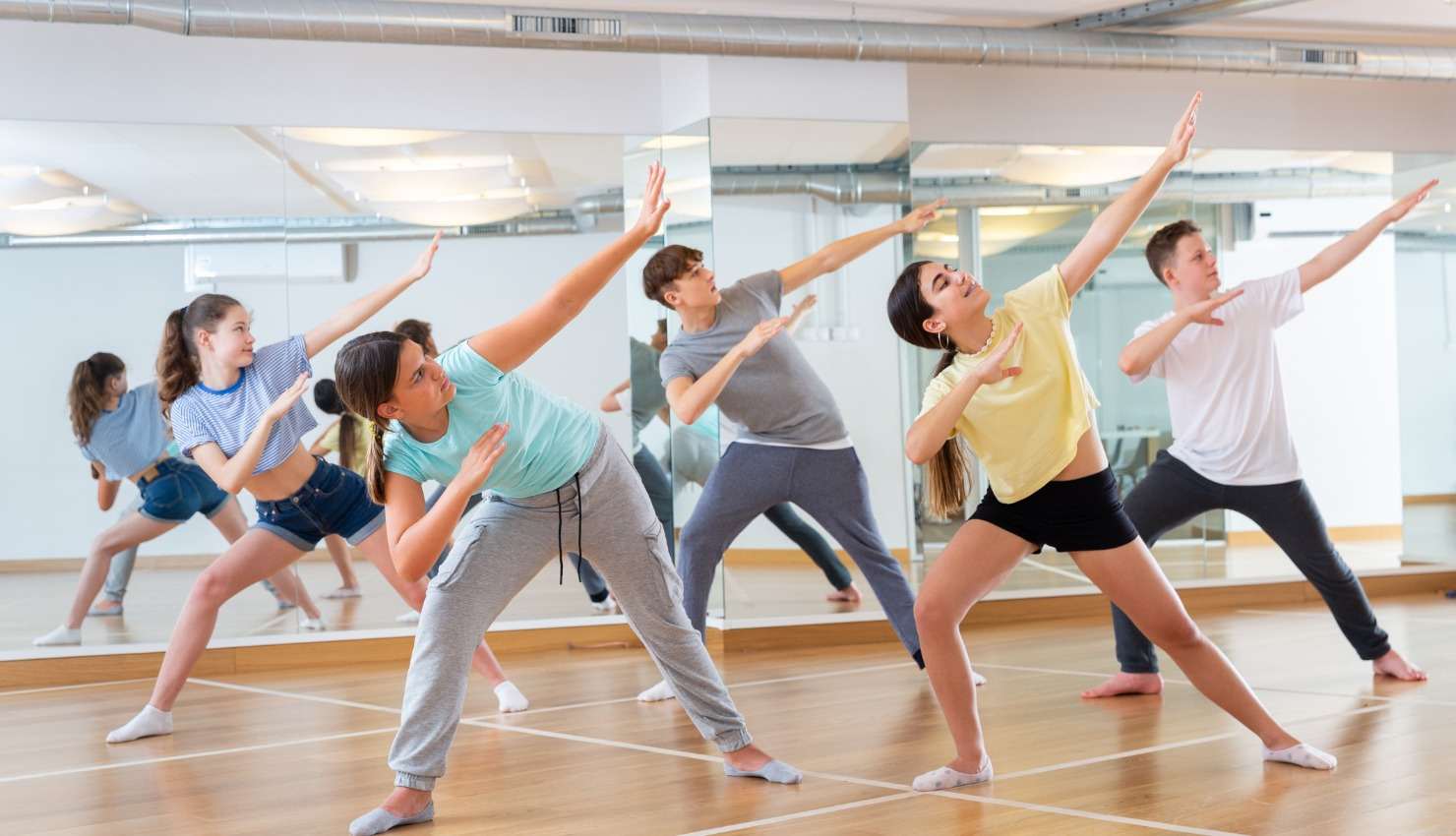
Flexibility is a fundamental aspect of a dancer’s performance. Whether youre a ballet dancer aiming for an impressive split, a contemporary dancer looking for fluid movements, or a hip-hop dancer requiring explosive stretches, improving flexibility can enhance your movements, prevent injuries, and boost overall performance. Physiotherapy offers a structured approach to improving flexibility, ensuring that dancers maintain healthy and flexible muscles while avoiding overstretching and potential injury.
Understanding Flexibility and Its Importance for Dancers
Flexibility refers to the range of motion in a joint or series of joints and the ability of muscles to stretch and lengthen without strain. In dance, flexibility allows for extended leg lifts, deep pliés, graceful extensions, and smooth transitions between movements. The more flexible a dancer is, the more fluid and controlled their movements will be, contributing to better performance and artistry.
However, achieving and maintaining flexibility requires more than just frequent stretching. Without proper guidance, dancers risk overstretching or causing strain, which can lead to injury. This is where physiotherapy plays an essential role.
How Physiotherapy Helps Improve Flexibility
Physiotherapists are experts in human movement and can create a targeted flexibility program that aligns with a dancer’s specific needs and goals. Here are several ways physiotherapy can help improve flexibility in dancers:
Personalized Flexibility Assessment
A physiotherapist begins by assessing a dancers current flexibility levels and identifying any tight areas or imbalances. By evaluating the dancers movement patterns, posture, and flexibility in specific muscle groups, physiotherapists can create a customized plan that targets those areas in need of improvement.
Guided Stretching Techniques
Stretching is one of the most effective ways to improve flexibility, but its important to stretch the right muscles in the right way. Physiotherapists guide dancers through proper stretching techniques, ensuring they use the correct form and avoid overstretching. Common stretches for dancers include hamstring stretches, hip flexor stretches, and calf stretches. Physiotherapists may also recommend dynamic stretches that prepare the muscles for movement or static stretches for improving muscle length over time.
Strengthening and Lengthening Muscles
Flexibility is not just about stretching muscles but also about strengthening them. Weak muscles can limit the ability to fully stretch and move with control. Physiotherapists design exercises that not only stretch the muscles but also strengthen them, creating a balanced approach to flexibility. For instance, strengthening the hip flexors, glutes, and core can help improve overall posture and flexibility, especially in the lower body, which is crucial for dancers.
Joint Mobilization and Soft Tissue Therapy
Physiotherapists use joint mobilizations and soft tissue therapies, such as myofascial release and deep tissue massage, to release tightness and improve the mobility of joints and muscles. These therapies can help increase flexibility by addressing muscle knots, tight fascia, and joint restrictions that may prevent smooth movement. Regular treatment can improve the elasticity of muscles and connective tissues, leading to better overall flexibility.
Improving Posture and Alignment
A dancers flexibility is closely linked to their posture and body alignment. Poor posture or misalignment can restrict the range of motion in the joints, making it harder to achieve flexibility. Physiotherapists assess and correct any postural issues, ensuring that the body is aligned in a way that supports flexibility. Proper alignment helps optimize stretching and movement, allowing dancers to increase their flexibility while minimizing the risk of injury.
Preventing Overuse and Injury
Flexibility should be improved gradually, with careful attention to the bodys limits. Physiotherapists ensure that dancers do not push beyond their safe range of motion, as overstretching can lead to muscle strains and ligament injuries. They educate dancers on the importance of listening to their bodies and resting between stretching sessions to avoid overuse injuries. This careful approach ensures that dancers improve flexibility safely and sustainably.
Incorporating Flexibility into Dance Routines
Physiotherapists can help dancers integrate flexibility exercises into their dance routines. Whether through warm-ups, cool-downs, or dedicated stretching sessions, incorporating flexibility training into a dancers daily routine can lead to faster improvements and more consistent results. A well-balanced routine ensures that dancers continue to develop flexibility without compromising strength or stability.
Common Flexibility Challenges in Dancers
While flexibility is important, it can be challenging for dancers to achieve the necessary range of motion without risking injury. Some common challenges include:
Tight Hamstrings: Many dancers struggle with tight hamstrings, which can limit flexibility in the legs and lower back. Physiotherapists can guide dancers through targeted hamstring stretches and strengthening exercises to help release tension in the area.
Limited Hip Flexibility: Hip flexibility is essential for dancers to achieve deep pliés and extended leg movements. Physiotherapists can use joint mobilizations, hip stretches, and strengthening exercises to improve hip mobility and flexibility.
Tight Calves and Ankles: Tight calves and ankles can restrict foot movements, making it harder to point the toes or achieve proper alignment in dance. Physiotherapists use calf stretches and ankle mobility exercises to improve flexibility in these areas.
Shoulder and Back Flexibility: Upper body flexibility, particularly in the shoulders and back, is essential for dancers who perform movements such as high lifts, arm extensions, or backbends. Physiotherapists use upper body stretches and strengthening exercises to enhance flexibility and mobility in these areas.
Conclusion
Flexibility is a key component of a dancer’s performance, and physiotherapy is the ideal way to improve and maintain it. By focusing on personalized assessments, targeted stretching, strengthening, joint mobilization, and injury prevention, physiotherapists can help dancers achieve optimal flexibility safely and effectively. With the right guidance and a tailored approach, dancers can enhance their performance, reduce the risk of injury, and continue to dance with ease and grace.