How Yoga Aids in Stress Reduction and Mental Clarity explores targeted strategies for recovery. Discover new paths to mobility, healing, and personalized care.

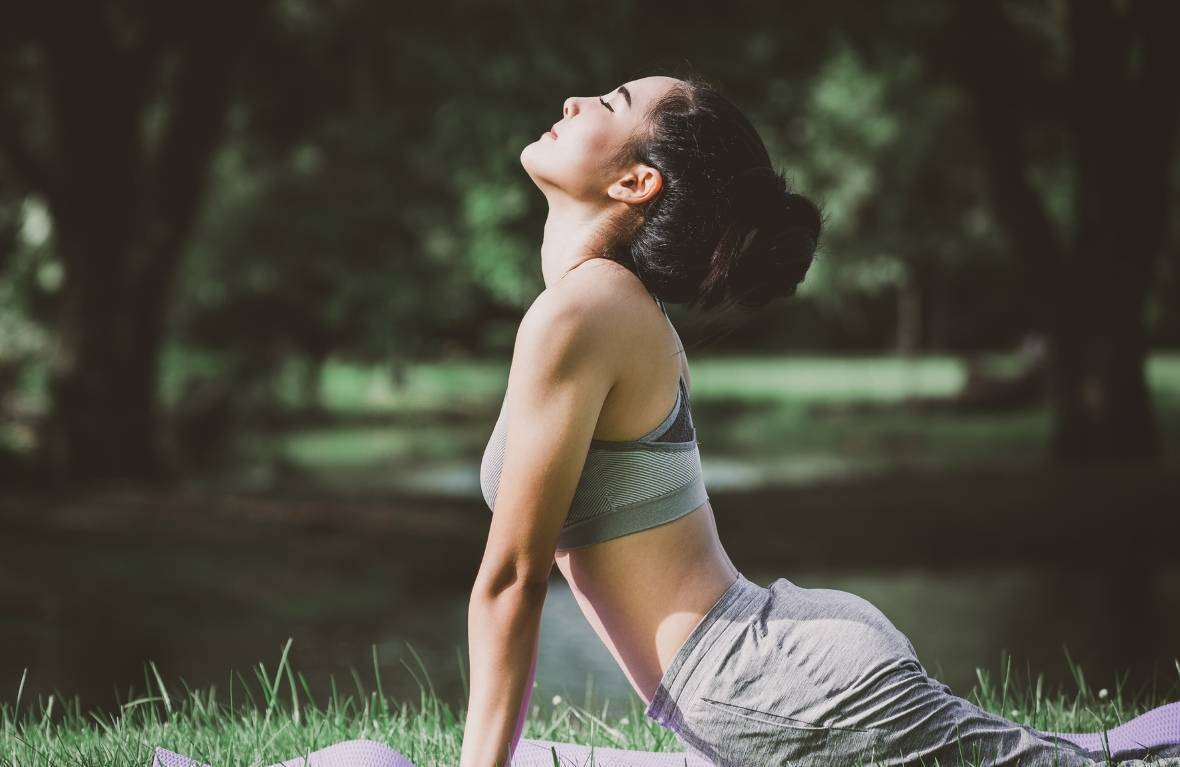
Life today moves fast. Between nonstop notifications, back-to-back meetings, family responsibilities, and the subtle pressure to do more, it’s no wonder many people feel burned out. Stress has become the new normand with it, brain fog, anxiety, irritability, and fatigue. The good news? Theres a powerful yet gentle antidote thats been around for thousands of years: yoga for stress relief and mental clarity.
At YourFormsUX Canada, we believe in holistic solutions to modern problems. Yoga provides a safe, accessible, and profoundly effective way to restore mental balance, ease stress, and refresh your cognitive focus. Whether youre an overworked professional, a caregiver, or just feeling mentally drained, integrating yoga into your day can offer immediate and lasting benefits.
What Stress Really Does to the Body and Brain
Before we dive into how yoga helps, lets look at what stress actually does.
Stress activates the sympathetic nervous system, also known as the fight or flight mode. This triggers the release of stress hormones like cortisol and adrenaline, preparing your body to handle perceived threats. While helpful in short bursts, chronic stress keeps this system overactive. The result?
Mental fog and forgetfulness
Sleep disruption and fatigue
Digestive issues
Muscle tension and headaches
Anxiety and mood swings
In other words, chronic stress wears you downand fast. But heres where yoga steps in.
How Yoga Reduces Stress and Promotes Mental Clarity
Yoga is one of the few practices that targets both the physical effects of stress and the mental noise that comes with it. It combines breath regulation (pranayama), movement (asana), and stillness (meditation)a potent trifecta for full-spectrum healing.
1. Activates the Relaxation Response
Certain yoga poses and breathing techniques stimulate the parasympathetic nervous system, shifting you out of survival mode and into a state of rest and recovery. This lowers heart rate, blood pressure, and stress hormone levels.
2. Clears Mental Clutter
Yoga teaches you how to focus on the breath and the bodybringing your attention away from ruminating thoughts and toward the present moment. This trains the mind to pause, observe, and reset, leading to greater clarity and emotional resilience.
3. Regulates Breathing Patterns
Chronic stress leads to shallow, rapid breathing, which fuels anxiety. Yogic breathing techniques help retrain the diaphragm to breathe deeply and slowlysignaling safety to the brain and relaxing the body.
4. Relieves Muscle Tension
Neck pain, tight shoulders, and clenched jaws are physical signs of mental stress. Gentle yoga postures release this tension, reducing feedback signals to the brain that something is wrong.
5. Promotes Better Sleep
Regular yoga helps calm the nervous system and quiet racing thoughts before bed, making it easier to fall asleep faster and sleep more deeplywhich is crucial for mental clarity and stress recovery.
Best Yoga Practices for Stress and Focus
Not all yoga styles are created equal for stress relief. The most effective are slow, gentle, and focused on breathing and grounding.
Yin Yoga: Targets deep connective tissue with long holds and stillnessexcellent for nervous system reset.
Restorative Yoga: Uses props to fully support the body, allowing muscles and the mind to completely relax.
Hatha Yoga: A slower-paced style with deliberate movements and breathing. Helps strengthen and stretch while remaining calming.
Yoga Nidra: Also known as yogic sleep, this is a guided meditation done lying down. It takes the mind into a deep state of conscious rest.
A 15-Minute Stress-Relief Yoga Routine
Dont have a lot of time? Even a short practice can make a big difference. Try this easy sequence at home:
Seated Breathwork (3 mins)
Sit comfortably. Inhale slowly through the nose for 4 counts, pause, and exhale for 6 counts. Repeat to initiate relaxation.
Cat-Cow Stretch (2 mins)
On all fours, alternate arching and rounding your back with your breath. Loosens the spine and calms the mind.
Standing Forward Fold (12 mins)
Let your upper body hang, knees soft. This improves circulation to the brain and releases neck and shoulder tension.
Legs-Up-the-Wall (5 mins)
Lie on your back with legs elevated vertically against a wall. One of the best passive poses to lower heart rate and release stress.
Savasana with Deep Breathing (3 mins)
Lie flat with arms at your sides. Focus on the rise and fall of your breath. Let your thoughts drift without attachment.
Bonus: Add a simple mantra like I am calm or I am here during your practice to anchor your attention.
Beyond the Mat: Daily Habits for Mental Calm
Incorporating yoga into your life doesnt have to be an all-or-nothing approach. Little moments of mindfulness throughout the day can reinforce the stress relief you gain on the mat.
Start your morning with 5 minutes of breathwork instead of diving into your phone.
Stretch at your desk once an hour to release accumulated tension.
Take mindful walks, focusing on each step and breath.
Practice gratitude journaling post-yoga to shift your focus from stress to abundance.
Final Thoughts
In a world that constantly pulls your attention in every direction, yoga is your anchor. It offers a quiet, supportive space to slow down, reconnect, and breathe through the chaos. Whether you’re looking to reduce anxiety, think more clearly, or just take a break from mental noise, yoga offers tools that are effective, natural, and sustainable.
At YourFormsUX Canada, we see yoga not just as exercisebut as a form of self-care and mental maintenance. A few minutes a day can lead to significant transformation in how you feel, think, and show up in the world.