How Yoga Can Improve Coordination and Balance explores targeted strategies for recovery. Discover new paths to mobility, healing, and personalized care.

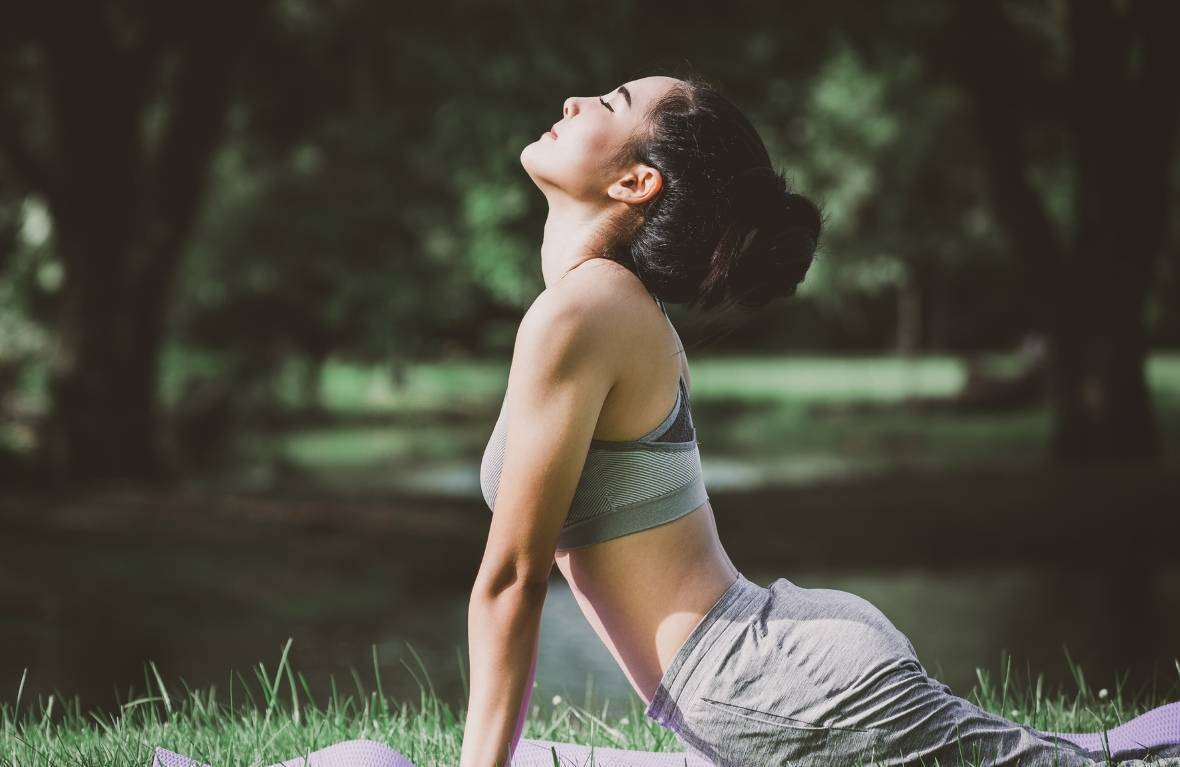
Yoga isnt just about flexibility and relaxationits a powerful practice for enhancing coordination and balance at every age and skill level. Whether youre a beginner or an experienced yogi, integrating balance-enhancing yoga poses into your daily routine can lead to noticeable improvements. Heres how yoga can help improve coordination and balanceand why that matters for your everyday life.
The Importance of Coordination and Balance
Strong coordination and balance are essential for everyday movement, preventing falls, and improving athletic performance. Many people dont realize how seamlessly these skills integrate into basic tasks: walking up stairs, navigating uneven sidewalks, or even dancing with friends. As we age, our sense of balance may decline, increasing the risk of injury. Thats why incorporating balance-focused practices is particularly valuable.
Yoga as a Tool for Better Coordination
Yoga offers a unique approach by combining focus, strength, and mindful movement. Long-tail keywords such as “yoga for balance improvement”, “yoga for coordination exercises”, and “balance yoga poses for seniors” highlight how diverse this practice can be:
MindBody Connection: When you hold a balancing yoga pose, your brain activates proprioceptionyour bodys awareness of its position in space. Over time, this improves motor control, muscle memory, and coordination.
Stability through Core Engagement: Many balance poses require a strong core. A stable core transfers energy through your body effectively and supports spinal alignment, enhancing both coordination and posture.
Muscle Activation and Strength: Balancing engages small stabilizer muscles that are often neglected in mainstream workouts. Yoga helps strengthen ankles, hips, and wristskey joints for mobility and balance.
Improved Reaction Time: Holding and transitioning between poses requires precision and quick adjustment. With practice, your reaction time speeds up, improving athletic reflexes and reducing injury risk.
Key Yoga Poses That Enhance Coordination and Balance
Here are accessible yet powerful poses that improve balance and coordination:
Tree Pose (Vrikshasana)
Focus on one foot, with your gaze (drishti) forward.
This builds ankle strength and unilateral coordination.
Eagle Pose (Garudasana)
Wrap your arms and legs, twisting around each other.
This challenges your concentration and proprioceptive alignment.
Warrior III (Virabhadrasana III)
Balance on one leg with your torso parallel to the ground.
Excellent for full-body integration and core stability.
Half Moon Pose (Ardha Chandrasana)
One hand supports on the floor, the other extends upward.
Enhances lateral balance and spatial awareness.
Tree Pose Variation on an Unstable Surface
Use a foam mat or folded blanket.
This amplifies coordination challenges and stimulates stabilizer muscles.
Daily Practice for Real Results
Consistency is key when it comes to improving coordination through yoga. Try this weekly practice:
Warm up with gentle yoga flows for 510 minutes to prepare muscles.
Hold each balance pose for 3060 seconds on each side, gradually increasing duration.
Aim for three practice sessions per week, pairing these poses with breath awareness exercises and mindfulness.
Track your progress by noting which poses feel more stable and when you can hold them longer without wobbling.
Real-Life Benefits of Better Balance
Integrating yoga-based balance and coordination practice offers tremendous benefits in daily life:
Fall prevention for seniors: Improved stability in the hips and ankles helps reduce slips and trips.
Enhanced sports performance: Better balance translates to superior agility in skiing, hockey, and other dynamic sports.
Boosted functional strength: Carrying groceries or walking on snow-covered sidewalks becomes easier with stronger coordination muscles.
Posture and spine health: A stronger core supports spinal alignment, reducing back pain and improving posture.
Yoga for Coordination: A Complete MindBody Approach
Yoga combines physical movement, focused breathing, and mental concentration. This synergy uniquely enhances coordination:
Focused breathing (Pranayama) promotes calm and body awareness.
Meditative concentration (Dharana) trains your mind to focus on alignment and balance.
Mindful transitions between poses enhance motor planning and weight distribution skills.
By cultivating this mindbody dialogue, coordination improves faster than through strength training alone.
Why This Matters for Canadians
Whether you live in Vancouver, Toronto, or Halifax, Canadian living involves navigating diverse terrainsfrom icy sidewalks to uneven trail surfaces. Better balance and coordination directly translate to safer outdoor movement, regardless of season. For seniors, improved stability reduces fall risk, a critical health concern. Yoga offers a low-cost, accessible approach to supporting mobility in urban and rural areas alike.
Getting Started with YFS Yoga Resources
At Your Forms UX, we know your physical health supports personal and professional wellbeing. To help our community, we recommend:
Starting with a beginners yoga for coordination and balance online class.
Using guided videos or workshop sessions to ensure proper pose alignment.
Staying consistent with short daily sessionseven five minutes makes a difference.
In addition to physical resources, YFS offers blog content and downloadable guides that highlight yogas impact on posture, strength, and overall health.