How Yoga Can Improve Your Breathing and Reduce Stress explores targeted strategies for recovery. Discover new paths to mobility, healing, and personalized care.

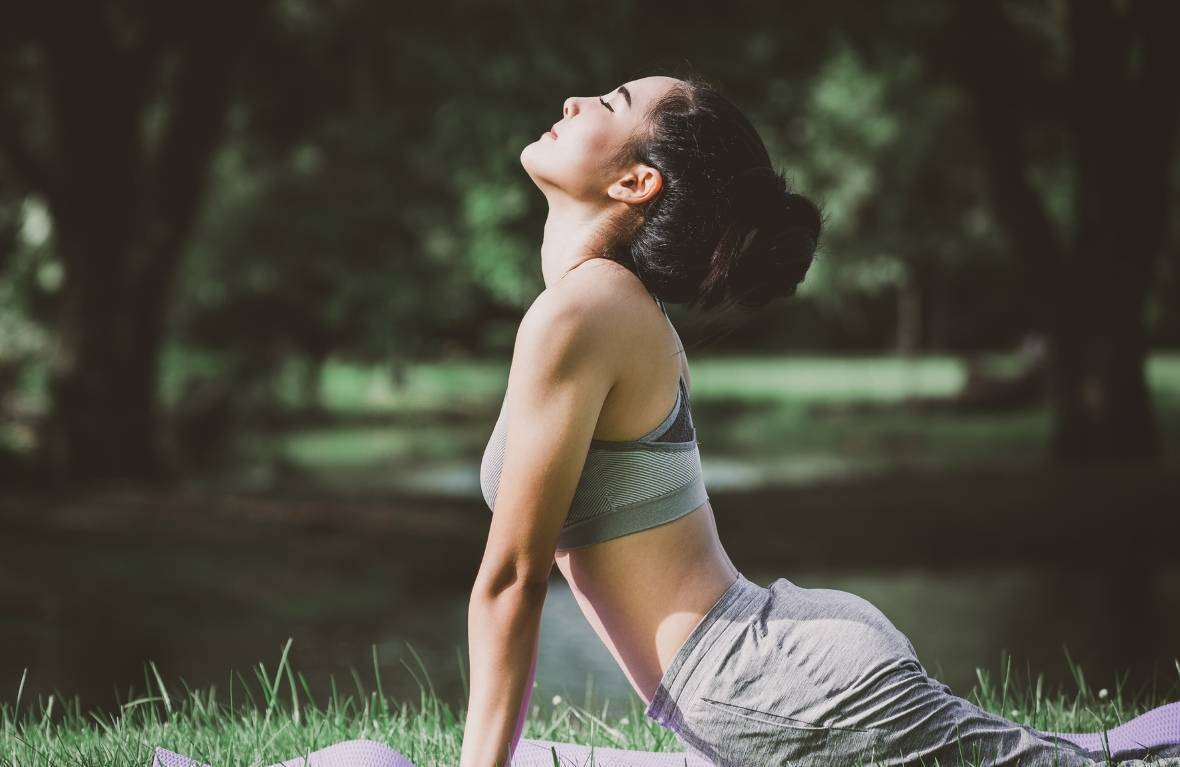
Breath is lifebut in the rush of daily tasks, many of us breathe shallowly, unconsciously, and inefficiently. This not only affects our energy but also heightens stress and anxiety. Yoga for better breathing and stress reduction offers a time-tested solution. By training the breath through yogas structured techniques, you activate the parasympathetic nervous system, reduce cortisol levels, and create a foundation for emotional resilience and physical vitality.
1. Understanding the Breath-Stress Connection
When you’re anxious or overwhelmed, your breathing becomes shallow, fast, and often limited to the chest. This signals the brain that something is wrong, triggering a stress responsetight muscles, increased heart rate, and mental fog.
In contrast, slow, diaphragmatic breathing tells your body, Youre safe. Thats why yoga breathing (pranayama) is a cornerstone of stress relief and emotional regulation.
2. Benefits of Yoga for Better Breathing
A. Activates the Relaxation Response
Breathing exercises like Nadi Shodhana (alternate nostril breathing) and Ujjayi (victorious breath) regulate the nervous system and promote calmness. Just a few minutes daily can lower stress hormones and reduce mental fatigue.
B. Enhances Lung Capacity
Postures such as Bridge Pose (Setu Bandhasana) and Fish Pose (Matsyasana) open the chest and ribcage, increasing lung capacity and oxygen intake.
C. Improves Focus and Mental Clarity
When breath becomes the anchor, distractions fade. Breath-led movement trains your mind to stay in the presenta critical skill for reducing stress and anxiety.
D. Balances Energy Levels
Feeling sluggish or anxious? Your breath is your body’s internal switch. Invigorating techniques like Kapalabhati (skull shining breath) energize, while slow belly breathing soothes.
3. The Role of Pranayama in Stress Reduction
Pranayama is the practice of controlling breath to regulate energy and mood. Its both a standalone therapy and a part of integrated yoga sessions. Key techniques include:
Box Breathing (Sama Vritti): Equal inhale, hold, exhale, and hold. Great for anxiety.
Bhramari (Bee Breath): Gentle humming vibrations calm the mind.
Dirga Pranayama (Three-Part Breath): Deep breathing into the belly, ribs, and upper chest improves awareness and oxygen flow.
These arent just relaxingthey reshape your nervous system over time to become more resilient to lifes challenges.
4. Combining Movement With Breath
Yoga is unique in that it weaves breath and motion into a seamless practice. This is especially effective for:
Tension release: Breath-led sequences like sun salutations promote flow and reduce muscular holding patterns.
Nervous system balancing: Alternating between dynamic poses and stillness calms the mind.
Sleep support: Evening yoga practices centered on slow breathing prepare the body for deep rest.
By linking breath to movement, yoga teaches your brain to associate physical exertion with relaxation, not tension.
5. Case Example: From Burnout to Balance
Mark, a 38-year-old entrepreneur, came to YFS struggling with chronic stress and shallow breathing. After eight weeks of focused breath training and beginner yoga sequences, he reported:
A 60% decrease in daily anxiety
Better sleep quality
The ability to handle stressful meetings without losing composure
The transformation wasnt magicit was methodical and based on simple, consistent breath-based practice.
6. Tips for Starting a Breath-Centered Yoga Practice
Start with just 5 minutes of deep belly breathing each morning.
Choose gentle yoga classes focused on breath (e.g., Hatha or restorative yoga).
Use props to make postures more comfortable, encouraging fuller breathing.
Practice in a quiet space with minimal distractions.
Track your stress levels to observe how your nervous system adapts over time.
7. Who Benefits From Breath-Focused Yoga?
Professionals with high-stress jobs or screen fatigue
Athletes seeking better oxygenation and recovery
Individuals with anxiety or sleep issues
People managing chronic conditions like asthma, hypertension, or migraines
Breathwork is not just about feeling betterits about functioning better across every aspect of your life.
8. Long-Term Gains from Better Breathing
Over time, conscious breathing becomes second nature. Youll notice:
A calmer baseline mood
Improved immunity
Enhanced emotional regulation
Better posture and digestion
Greater self-awareness and presence
Conclusion
Yoga isnt just about posesits about how you breathe through them. At YFS, our breath-led yoga programs offer more than physical benefits. They empower you to reduce stress, improve resilience, and breathe your way into a calmer, more grounded version of yourself. Whether you’re looking to recover from burnout or simply feel more in control, the breath is your most powerfuland accessibletool for healing.