How Yoga Helps with Stress-Induced Neck and Shoulder Pain explores targeted strategies for recovery. Discover new paths to mobility, healing, and personalized care.

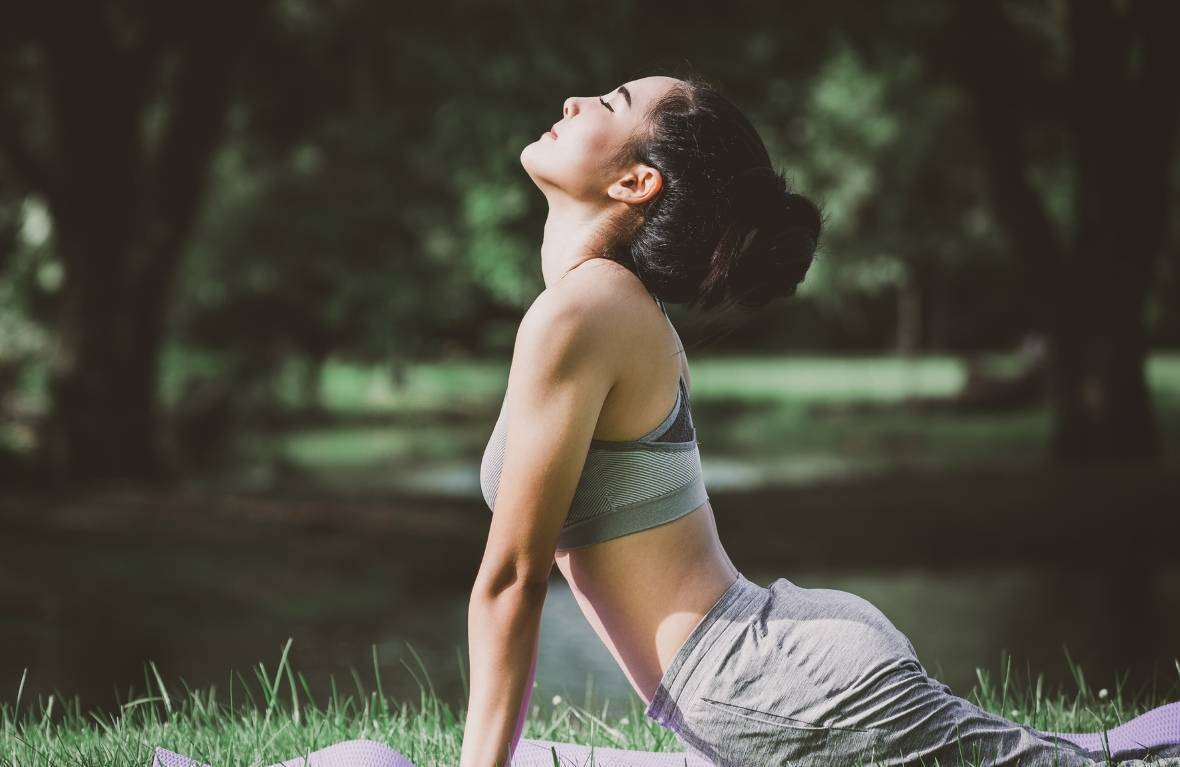
We carry our stress in our shouldersliterally. Whether its the pressure of deadlines, long hours at a computer, or emotional strain, stress often shows up in the form of tight, painful necks and hunched shoulders. And in todays tech-heavy, fast-paced world, that discomfort is becoming more than just an occasional annoyance. Its chronic. Its disruptive. And its preventable.
Yoga offers a powerful, natural solution for managing and relieving stress-induced neck and shoulder pain. Through mindful movement, breath awareness, and posture correction, yoga helps release stored tension, reduce inflammation, and retrain the body to move with ease.
Lets explore why this pain happens, how yoga can counteract it, and which poses you can use to feel betterwhether you’re working remotely in Vancouver or commuting daily in downtown Toronto.
The StressTension Connection
When you’re under stress, your body reacts by tensing musclesparticularly in the neck, shoulders, and upper back. Over time, that tension becomes embedded in your posture, leading to:
Tight traps and levator scapulae
Rounded shoulders and forward head posture
Neck stiffness and headaches
Restricted upper back mobility
Add in long hours of sitting and screen time, and its no surprise that shoulder and neck discomfort is one of the top reasons Canadians seek physiotherapy, massage therapy, and now, yoga therapy.
How Yoga Relieves Neck and Shoulder Pain
Heres what makes yoga so effective for stress-induced tension:
1. Releases Muscle Tightness
Yoga stretches tight muscles that trap stressparticularly the upper trapezius, rhomboids, pectorals, and the muscles at the base of the skull.
2. Improves Posture
Many yoga poses help lengthen the spine, open the chest, and counteract the habitual forward-hunch posture. This decompresses the neck and shoulders and promotes healthier alignment.
3. Regulates the Nervous System
Breathing exercises and slow, mindful movement activate the parasympathetic nervous system, calming your body and reducing the physical impact of stress.
4. Builds Awareness
Yoga helps you notice tension before it becomes pain. It teaches you to check in with your body, relax your shoulders, and align your spinewhether you’re on a yoga mat or in front of a computer.
The Best Yoga Poses for Neck and Shoulder Relief
The following poses are beginner-friendly and ideal for daily practice. You dont need a full houra focused 1015 minute session can do wonders.
1. Seated Neck Stretches
Sit tall. Gently tilt your right ear toward your right shoulder, and extend your left arm down by your side.
Hold for 30 seconds and switch sides.
Targets: Sternocleidomastoid, traps, scalenes.
2. Thread-the-Needle Pose
From a tabletop position, thread one arm under the body and rest your head and shoulder on the mat.
Hold and breathe. This pose opens the shoulders and stretches the upper back.
3. Eagle Arms (Garudasana Arms)
While seated or standing, wrap one arm under the other, lift the elbows, and gently pull the arms forward.
This deep stretch targets the rhomboids and shoulder girdle.
4. Supported Fish Pose (Matsyasana with a bolster)
Lie back over a bolster or pillow placed beneath your shoulder blades. Let your arms relax out to the sides.
Opens the chest, releases the front shoulders, and reverses computer posture.
5. Childs Pose with Shoulder Stretch
From a kneeling position, stretch your arms forward and rest your forehead down.
To intensify the shoulder stretch, bring hands wider or clasp palms in prayer above your head.
Breathing Techniques for Stress Release
Stress doesnt just live in the musclesits in your breath too. Shallow chest breathing increases tension. Deep, diaphragmatic breathing helps unwind it. Try this:
Box Breathing (Four-Part Breath)
Inhale for 4 seconds
Hold for 4 seconds
Exhale for 4 seconds
Hold again for 4 seconds
Repeat for 23 minutes to calm your body and reset your mind.
This technique is widely used in therapeutic yoga and even by Canadian mental health professionals to reduce anxiety-related tension.
Yoga and Posture Correction in the Canadian Workplace
Canadians spend, on average, 9+ hours per day sittingwhether at home, in offices, or in hybrid workspaces. This prolonged sitting contributes to forward head posture, rounded shoulders, and stiff upper backs.
Many wellness-forward companies in Toronto, Vancouver, Ottawa, and Calgary are integrating yoga-based movement breaks, virtual stretch sessions, or posture-focused workshops into their employee wellness programs.
At YourFormsUX, our mission aligns with these effortshelping Canadians improve their form, function, and recovery using tailored solutions. Yoga for posture and pain management is a seamless fit.
Tips for Integrating Yoga into Your Daily Routine
Set movement reminders: Every 60 minutes, stand up and do a quick stretch or shoulder roll.
Create a yoga nook: Even a small corner with a mat and cushion encourages consistency.
Start and end your day with breathwork: 5 minutes of focused breathing helps reduce built-up tension.
Practice body awareness: Notice where you hold tension during the dayand gently release it with simple yoga movements.
Final Thoughts
Stress may be a part of modern life, but constant neck and shoulder pain doesnt have to be. Yoga offers a safe, effective, and holistic way to release tension, improve posture, and reset your body and mind.
For individuals across Canada dealing with tech neck, work stress, or emotional overload, yoga is more than stretchingits therapy. It teaches you how to move better, breathe deeper, and hold yourself with more ease.
At YourFormsUX, we believe healing starts with awareness and the right tools. Yoga is one of the best tools we can offer to help you relieve pain, restore function, and feel at home in your body again.